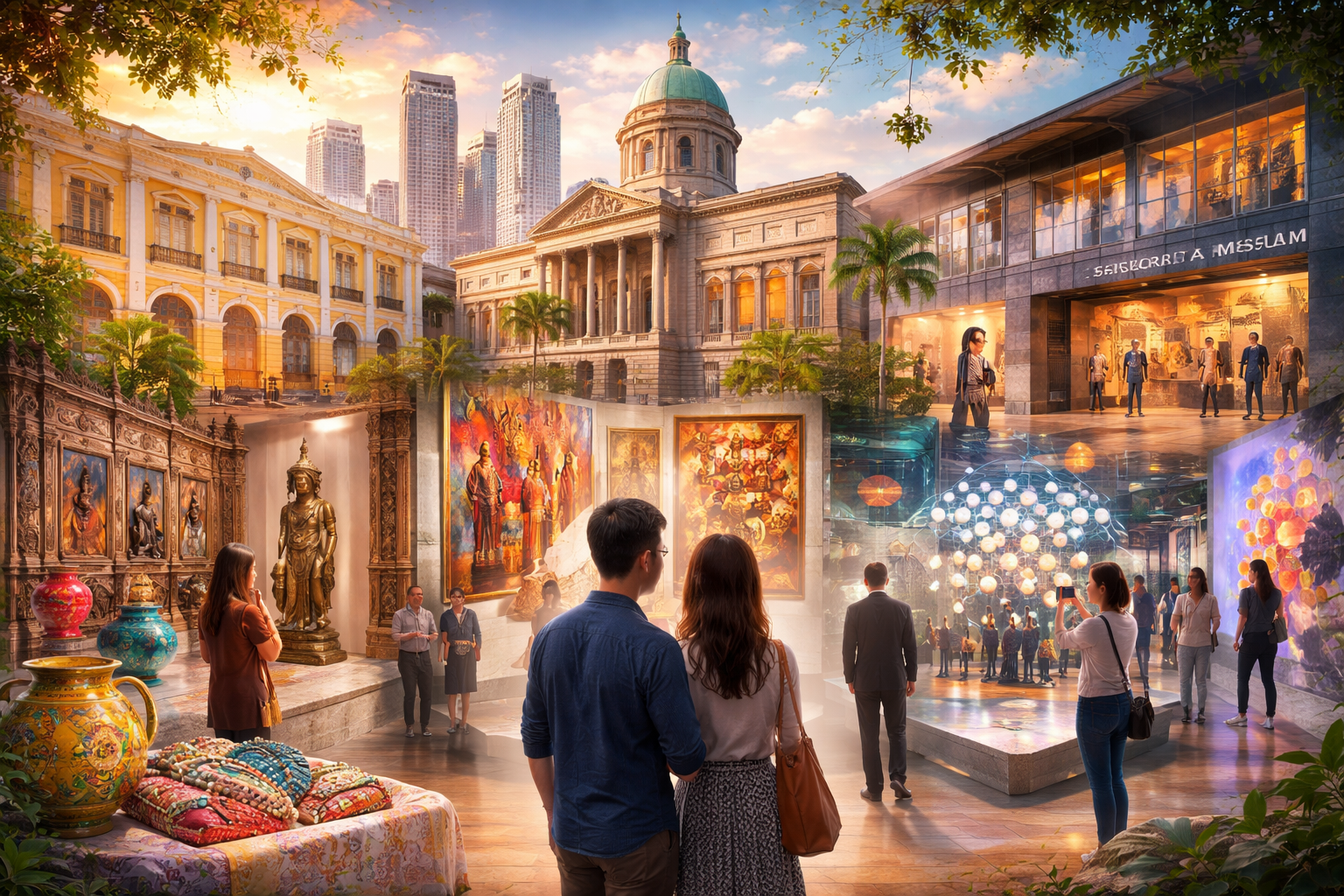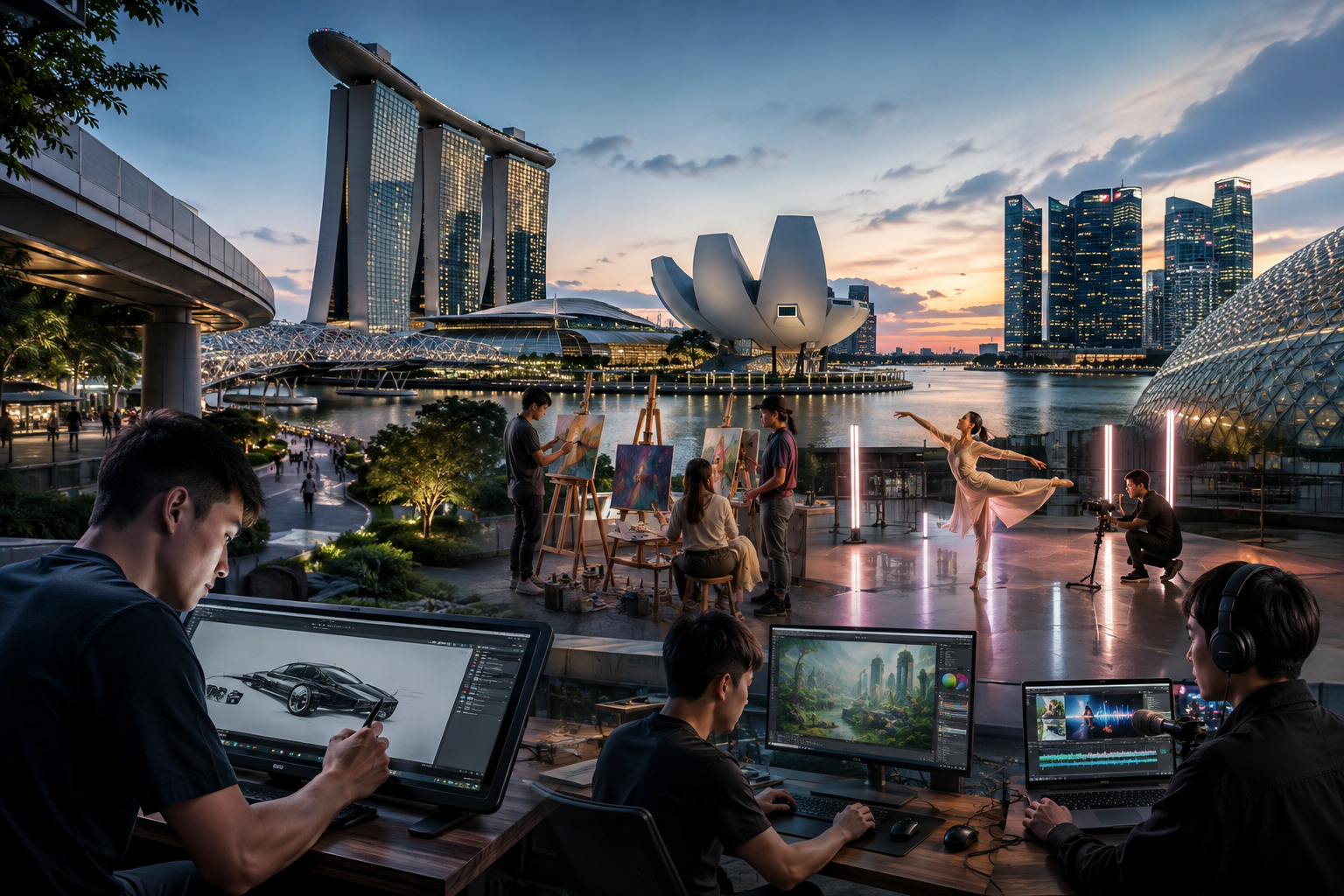

Singapore’s entertainment industry is a vibrant and diverse sector that has evolved rapidly over the years, encompassing a wide range of genres and forms of media. From its humble beginnings to becoming a major cultural hub in Southeast Asia, the country’s entertainment landscape spans film, music, theater, and digital entertainment. Among these, the film and music industries stand out as pillars that continue to thrive, contributing significantly to the nation’s cultural identity.
Film Industry in Singapore
The film industry in Singapore has grown from a small, local scene into a well-recognized part of the global film market. In the early 20th century, Singapore’s film industry was primarily dominated by productions in the Malay language. However, after the country gained independence in 1965, the industry began to experience significant transformations.
One of the key turning points was the establishment of the Singaporean Film Commission in the 1990s, which provided funding, support, and resources for local filmmakers. This move helped nurture Singapore’s burgeoning film scene. A landmark moment came in 1994 with the release of “Mee Pok Man” by director Eric Khoo, which introduced a new wave of filmmaking that focused on the raw, authentic depiction of Singaporean life. Khoo is regarded as one of the country’s leading directors, and his works have placed Singapore on the international map.
The Singaporean government has played an essential role in boosting the country’s film industry, with initiatives like the Infocomm Media Development Authority (IMDA) offering grants and funding to encourage local filmmakers. Furthermore, Singapore has become a host for a number of international film festivals, including the Singapore International Film Festival (SGIFF), which celebrates regional and international cinema. These festivals not only showcase Singaporean talent but also provide a platform for filmmakers to network and gain exposure to a global audience.
Music Industry in Singapore
Singapore’s music industry, much like its film counterpart, has a rich and varied history. The country’s music scene is an eclectic mix of Western pop, classical traditions, and distinct Southeast Asian influences. Local artists have contributed significantly to both the Asian and international music scenes, with genres ranging from pop and rock to jazz and traditional ethnic music.
One of the most notable achievements in the music industry has been the success of Singaporean pop acts in the regional and international markets. Artists like JJ Lin, Stefanie Sun, and Tanya Chua have become household names in Mandarin-speaking regions, with their music reaching audiences across Asia. JJ Lin, in particular, has made a mark internationally, with his albums charting in countries such as China, Taiwan, and Hong Kong.
In addition to pop music, Singapore also has a thriving underground music scene. Various venues across the city cater to fans of indie rock, electronic music, and jazz, with local bands and musicians performing regularly. The annual Singapore Music Week (SMW) serves as a platform for both established and emerging artists, drawing attention to the country’s diverse musical talent.
Government support is also crucial in the growth of the local music scene. The National Arts Council (NAC) and other institutions provide funding and resources for musicians to develop their craft and gain exposure both locally and internationally. Initiatives such as the Singapore International Jazz Festival (Sing Jazz) attract global musicians and audiences, further solidifying Singapore’s place as a key player in the Asian music scene.
Bridging Film and Music: A Collaborative Future
One of the exciting trends in Singapore’s entertainment industry is the increasing collaboration between the film and music sectors. Music plays a vital role in film production, with local musicians frequently contributing original scores to Singaporean films. This cross-pollination between the two industries helps to enhance the storytelling in films and also gives musicians an avenue to reach wider audiences.
Moreover, with the rise of streaming platforms and digital media, both the film and music industries in Singapore are embracing new technologies to expand their reach. Local filmmakers and musicians now have the opportunity to share their work with international audiences through platforms such as YouTube, Netflix, and Spotify.
Overall, the entertainment industry in Singapore is rapidly evolving, with film and music at its core. As both industries continue to innovate and collaborate, Singapore is well-positioned to become an even more prominent force in the global entertainment landscape.