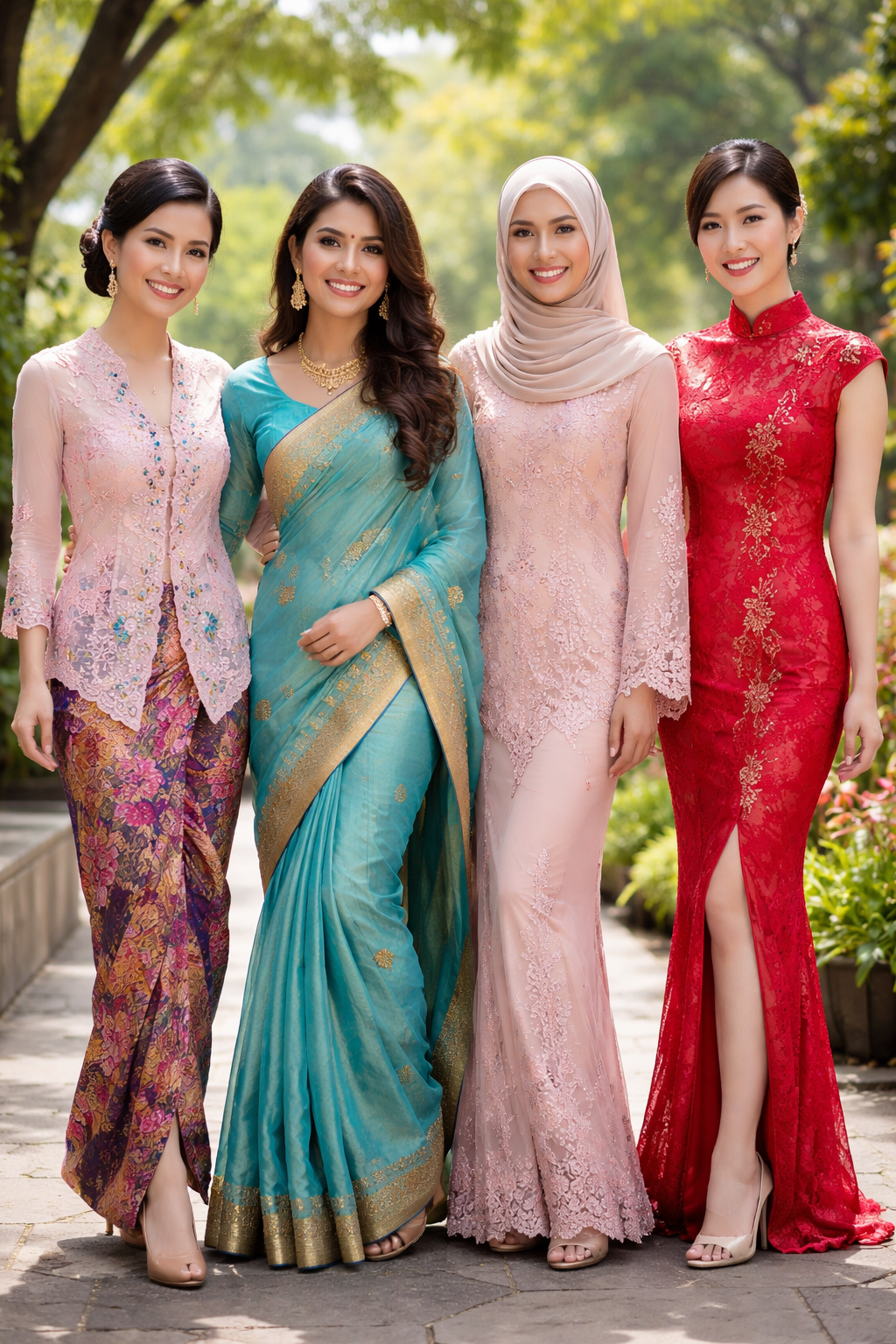
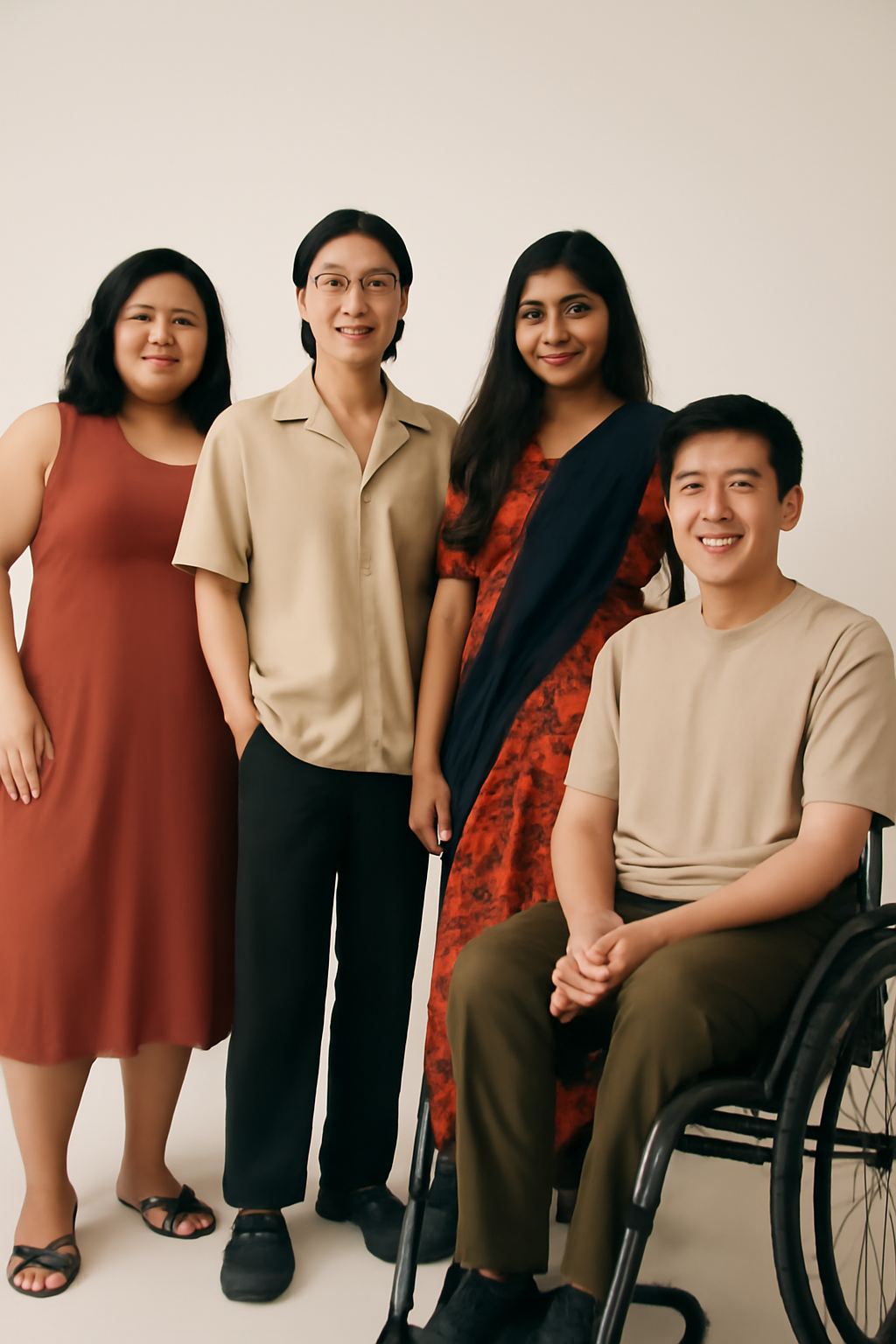
In recent years, Singapore’s fashion industry has made significant strides toward inclusivity, pushing boundaries to ensure that fashion is accessible to everyone, regardless of their background, body type, or abilities. The concept of inclusivity in fashion isn’t just about size; it’s about embracing diversity in all its forms — race, gender, ability, and identity.
Historically, the fashion world has been criticized for its narrow standards of beauty and limited representation of diverse body types and ethnicities. However, as Singapore’s fashion industry continues to evolve, there’s a noticeable shift toward creating a space where all individuals feel seen and heard. Singapore’s multicultural society, with its rich blend of Malay, Chinese, Indian, and other communities, provides a perfect backdrop for this transformation.
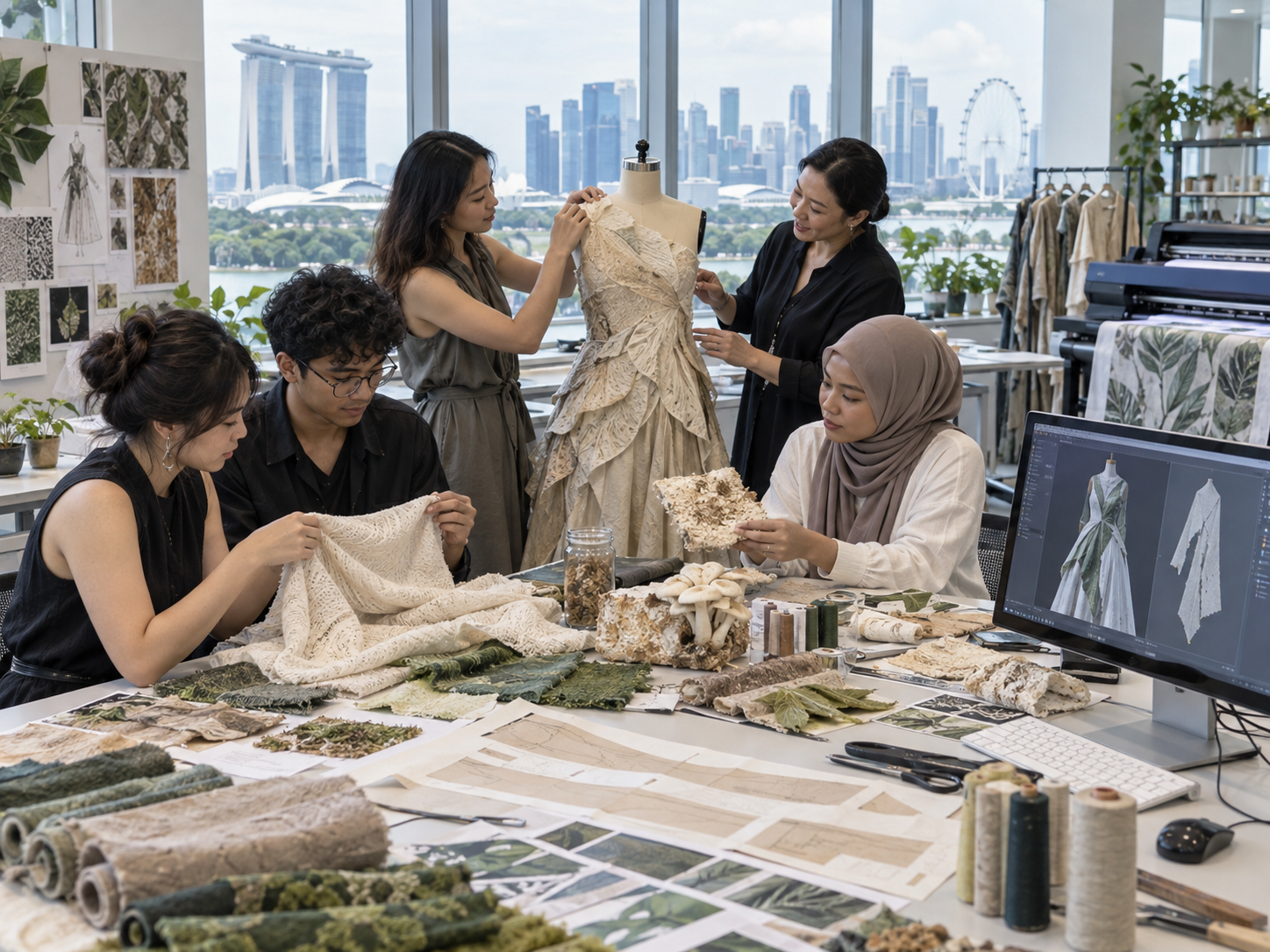
One of the most exciting developments is the rise of local designers who are championing inclusivity. Designers like Dion Lee and Ashley Isham are known for their innovative designs that incorporate diverse models of various sizes, skin tones, and abilities. These designers are setting an example of how fashion can break barriers and challenge traditional notions of beauty.
Additionally, the rise of plus-size fashion in Singapore has been another vital step toward inclusivity. Brands like Love, Bonito and H&M have launched size-inclusive collections, ensuring that people of all shapes and sizes can enjoy trendy, high-quality pieces without feeling excluded. This shift not only empowers consumers but also reflects the changing demands of a more diverse and informed public.
Inclusivity in fashion also extends to gender identity. Gender-neutral clothing is becoming more prominent in Singapore’s fashion scene, with designers offering collections that blur the lines between traditional male and female clothing. The Editor’s Market, a well-known Singaporean brand, has taken the initiative to showcase collections that are unisex, reflecting a more fluid understanding of gender in modern society.
Furthermore, local initiatives such as the Singapore Fashion Week have included more diverse representations in their runway shows, featuring models of various ethnicities, body types, and abilities. These initiatives are helping to redefine what it means to be a model and promote a more inclusive idea of beauty. By showcasing a wider array of faces, the industry is giving consumers the opportunity to see themselves reflected in high fashion.
Accessibility also plays a crucial role in fostering inclusivity. Many brands in Singapore are now focusing on making their clothing lines accessible to people with disabilities. This includes adaptive clothing lines that accommodate individuals with physical limitations and considerations for ease of wear and comfort.
Ultimately, inclusivity in Singapore’s fashion industry is a powerful tool for change. As more brands and designers embrace this mindset, the fashion world becomes a place where everyone, no matter their background, can express themselves authentically through their clothing. It’s not just about trends; it’s about empowering individuals and reshaping cultural norms to create a truly inclusive society.