
Comedy in Singapore has evolved rapidly over the last few decades, transforming from a niche interest to a core part of the entertainment industry. Stand-up comedy, in particular, has played a significant role in this transformation, bringing humor to the forefront and attracting diverse audiences. In this article, we explore how comedy and stand-up have reinvigorated the entertainment landscape of Singapore, providing fresh perspectives and a platform for local talent.
The Growth of Stand-up Comedy in Singapore
Stand-up comedy has a relatively short history in Singapore, but its growth has been remarkable. Before the early 2000s, local comedy was primarily confined to television sitcoms, variety shows, and theatre performances. It wasn’t until the late 1990s and early 2000s that stand-up comedy started to gain a foothold in Singapore, with performances in smaller venues and international comedians touring the country. The rise of local stand-up comedians such as Kumar, a well-known drag performer and stand-up artist, signaled the beginning of the comedic revolution.
Over time, the scene gained momentum, particularly with the establishment of comedy clubs such as The Comedy Club Singapore and Comedy Masala. These clubs became popular venues for both local and international comedians, creating a steady stream of performances that allowed the audience to experience diverse comedic styles. The 2000s also saw the advent of comedy festivals, such as the Singapore Comedy Festival, which further solidified the country’s position as a hub for comedic talent in Asia.
Comedy as a Mirror to Society
One of the key reasons why stand-up comedy has thrived in Singapore is its ability to reflect and address societal issues. Singapore, known for its strict laws and orderly society, often finds itself as the subject of jokes that touch on social norms, government policies, and cultural idiosyncrasies. Comedians use humor as a lens to explore sensitive topics such as race, politics, and societal expectations in a way that is both entertaining and thought-provoking.
Comedians like Fakkah Fuzz and Jinx Yeo have become renowned for their sharp wit, incorporating current events and societal observations into their routines. Fuzz’s jokes about the multicultural nature of Singapore and Yeo’s dry humor on navigating the Singaporean experience resonate deeply with local audiences. Their ability to tap into local experiences while maintaining a universal appeal has allowed them to grow loyal fanbases and carve out a distinct space in the comedic world.
The Impact of International Influence
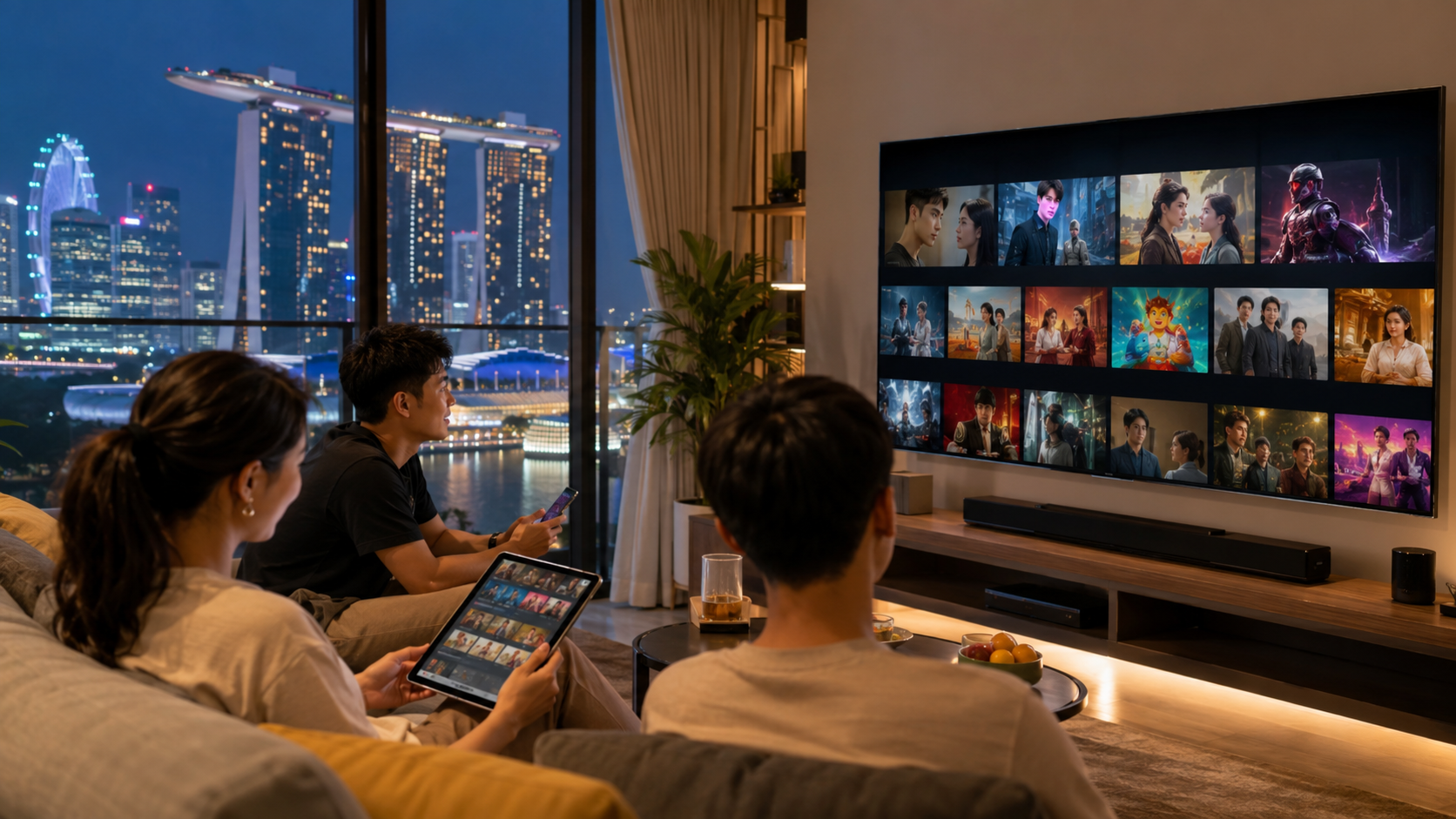
In recent years, Singapore has also seen an influx of international comedians, bringing with them a fresh global perspective to the local comedy scene. Comedians such as Trevor Noah, Ali Wong, and Dave Chappelle have performed in Singapore, influencing local comics and audiences alike. These international acts, along with the increasing popularity of streaming platforms like Netflix, have helped expose the Singaporean public to a wide range of comedic styles, from observational humor to political satire.
The growing collaboration between Singaporean comedians and international artists has helped create a hybrid comedic style that blends local flavor with global humor. This fusion of cultural influences has not only contributed to the enrichment of the comedy scene but has also fostered a sense of unity and understanding among diverse audiences.
Comedy and Stand-up as a Career Path
With the growing popularity of stand-up comedy, it has now become a legitimate career path for many individuals in Singapore. More young people are pursuing comedy professionally, participating in open mic events, and attending comedy schools to hone their craft. The rise of online platforms like YouTube and Instagram has also provided comedians with additional avenues to reach audiences beyond the traditional live performance.
This professionalization of comedy has given rise to a new generation of comedians who are not only performing on stage but also producing their own content and engaging with their followers through social media. It has also opened doors for collaborations between comedians and other sectors of the entertainment industry, including television, film, and digital media.
Looking Ahead: The Future of Comedy in Singapore
As Singapore continues to develop as a cultural hotspot, the future of comedy looks promising. The increasing acceptance of diverse forms of entertainment, the evolution of social media, and the growing appetite for humor in all its forms suggest that the stand-up comedy scene will continue to thrive. Moreover, the rise of local talent and the nurturing of new voices will ensure that Singapore’s comedic future remains vibrant and dynamic.
In the years to come, we can expect the comedy scene in Singapore to expand further, with even more performances, collaborations, and innovations. Stand-up comedy, as a form of art and entertainment, will undoubtedly continue to refresh and invigorate the Singaporean entertainment scene for generations to come.