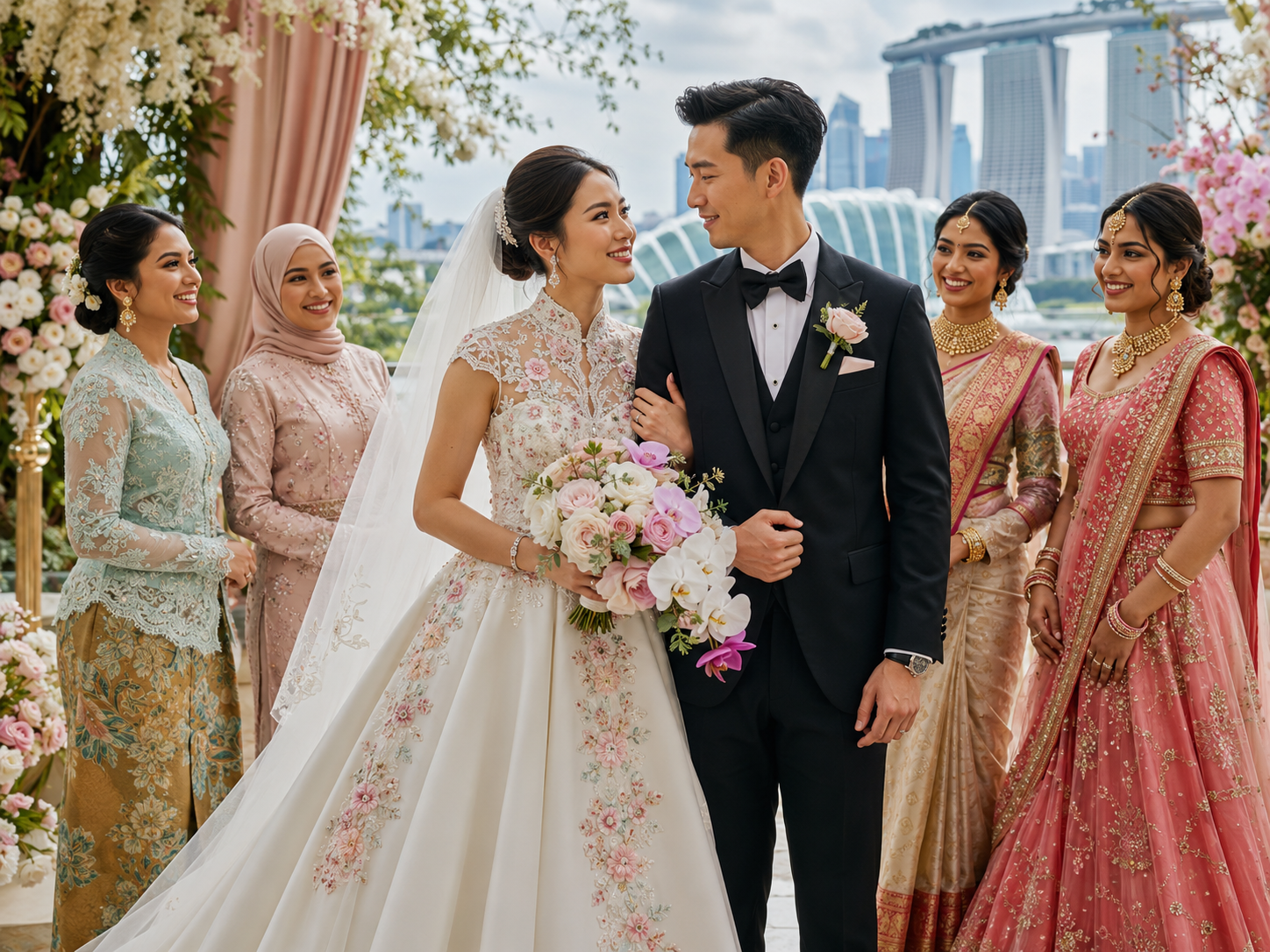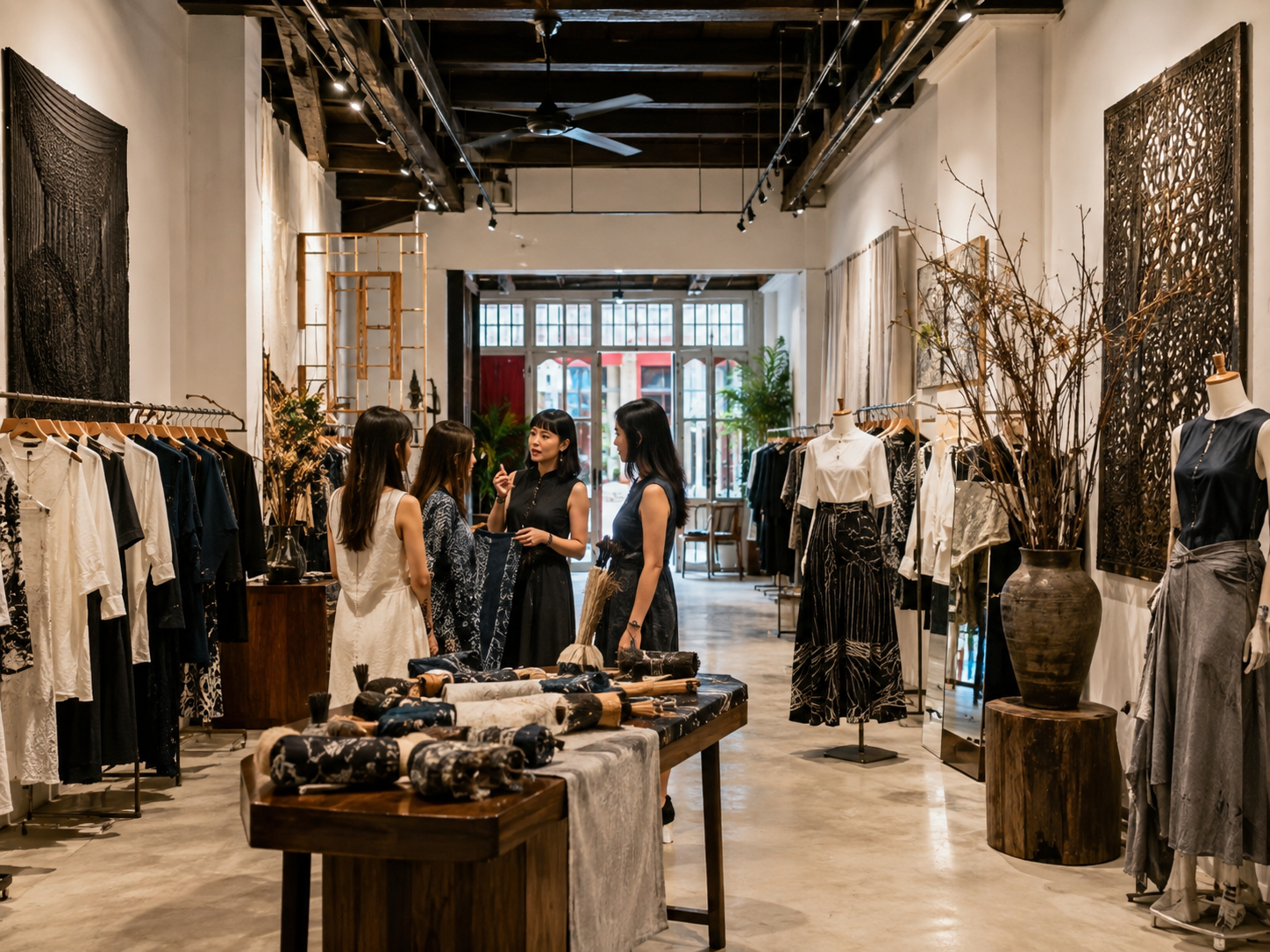
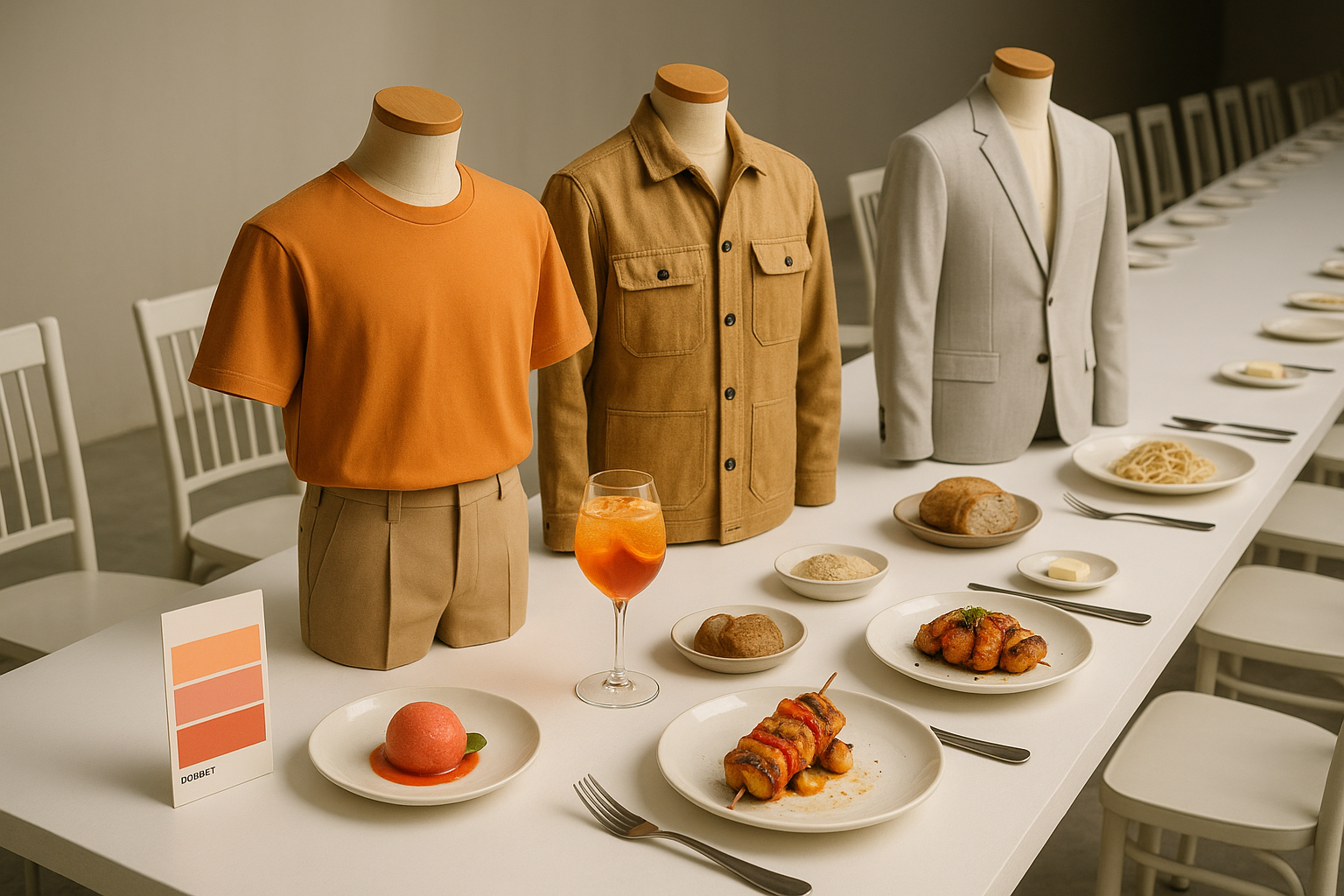
Pairing culinary craft with wardrobe design has moved from novelty to strategy. Brands increasingly stage capsule collections beside tasting menus, or debut a runway inside a pop‑up bistro. The draw is sensory stacking: fabric, flavor, color, and aroma combine to create a memory stronger than any single medium, boosting recall and social shareability.
On the event side, formats vary. Some labels commission a chef to translate a palette into courses—think silk-inspired textures mirrored by panna cotta or a denim line echoed in charcoal-grilled notes. Others install edible set pieces: chocolate buttons as favors, herb-woven centerpieces, or cocktails using dye-adjacent botanicals like butterfly pea. Timing matters; pre‑show bites reduce post‑show exit, while afterparties encourage linger time for press and creators.
Campaigns run parallel online. Teaser videos might show pleating synchronized with pasta folding or a jacket stitched in time with a latte art pour. Influencers from both realms cross-pollinate audiences; a pastry influencer can pull new eyes to a lookbook, while a stylist decodes the visual logic behind a plated dessert. The hook is narrative harmony, not gimmickry.
Measurement deserves rigor. Track blended KPIs: footfall, average dwell, sentiment analysis on descriptors (“tactile,” “buttery,” “fresh”), content saves, and secondary actions like email signups from recipe downloads. Unique promo codes tied to tasting stations attribute sales to specific activations. Heat maps from RFID badges or app check‑ins reveal where visitors slow down.
Sustainability must sit upfront. Opt for edible decor to reduce waste, design uniforms that later retail, and source ingredients aligned with brand ethics. Reusable serviceware, composting plans, and clear signage show intent. Vegan or allergen-aware menus widen inclusion and reflect thoughtful design restraint.
Risks exist: food odors can overshadow perfume tests; stains threaten samples; health codes dictate handling. Mitigate with neutral aromatics, stain-guarded backstage zones, and partnerships with licensed caterers. Create contingency content in case a dish underperforms—swap in behind‑the‑scenes stitching footage or chef interviews.
For teams starting out: anchor the creative brief in a single sensorial metaphor (crisp, velvety, mineral). Build menu, palette, lighting, and soundtrack around that word. Prototype a micro‑experience for ten people, then scale. When executed with coherence, food–fashion collaborations turn launches into lived experiences and campaigns into stories audiences can taste.