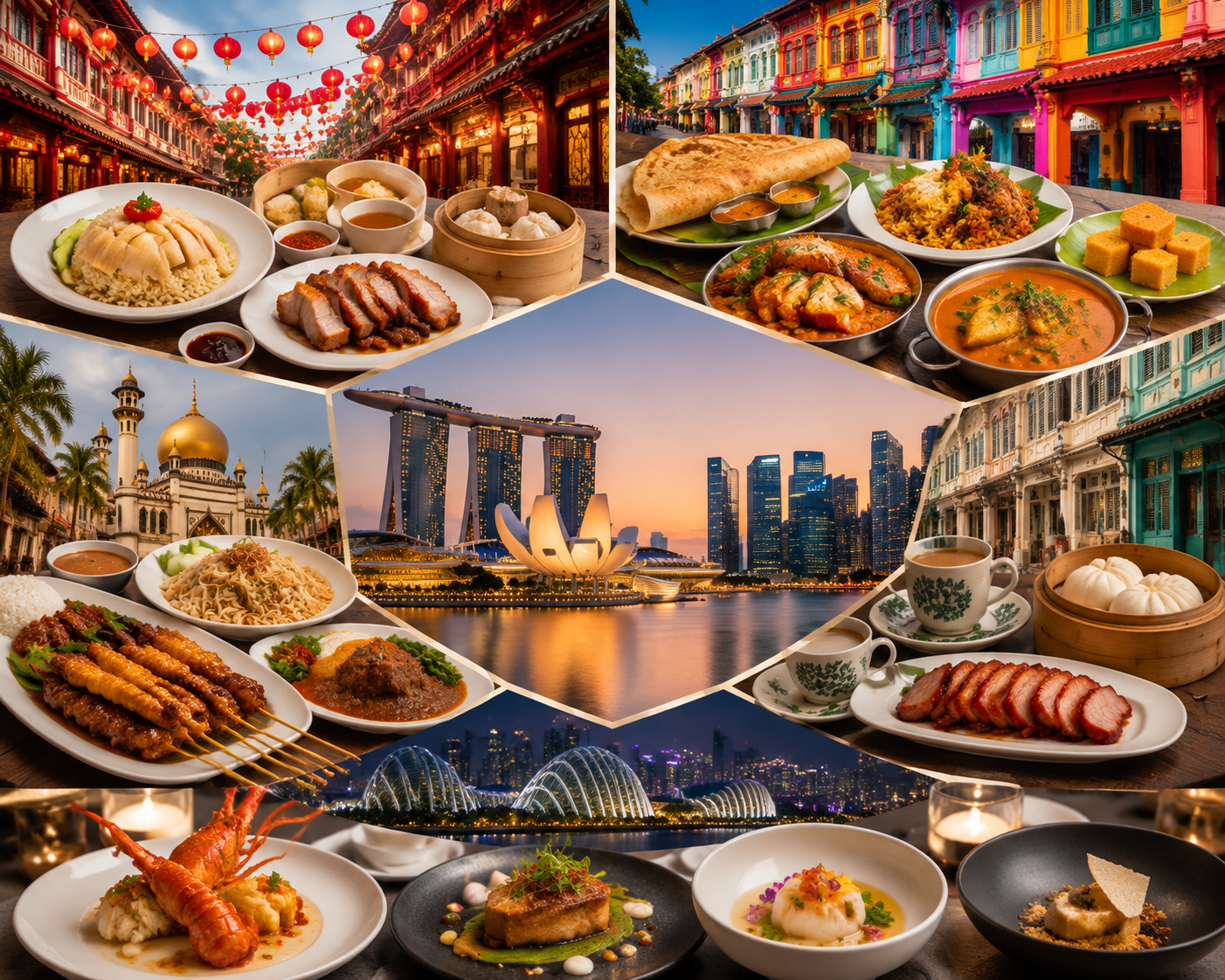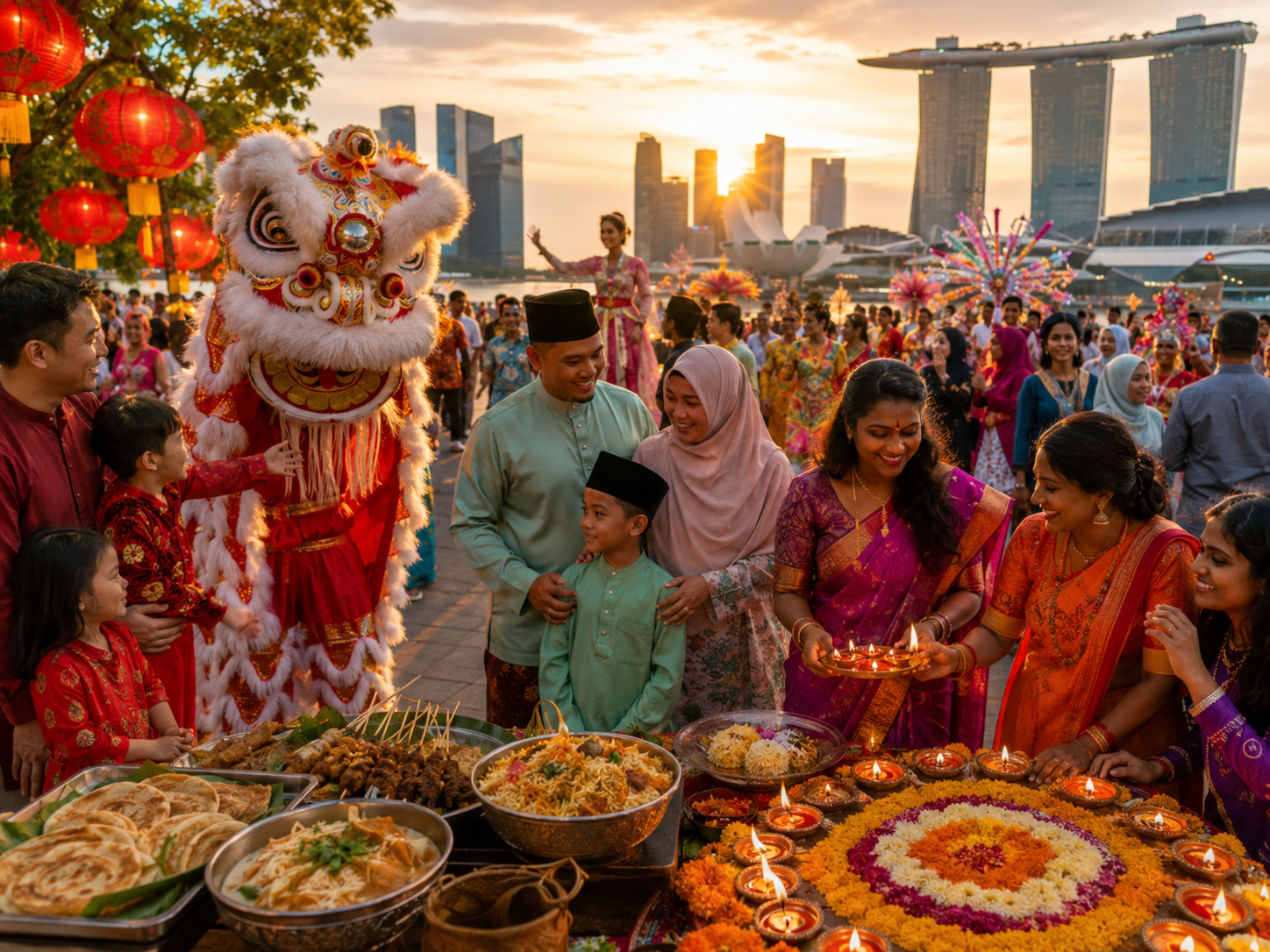

Singapore may be small in size, but its culinary influence stretches far beyond its borders. At the heart of this influence are its chefs, who blend heritage, innovation, and technical precision. These chefs act not only as creators of dishes but also as cultural ambassadors, introducing global diners to the complexity of Singaporean flavors.
One of the most prominent names is André Chiang, whose now-closed Restaurant André in Singapore was consistently ranked among Asia’s top restaurants. His philosophy, known as “octaphilosophy,” championed eight key elements—such as texture, memory, and terroir—to guide his cuisine. Chiang’s work helped position Singapore as a serious player in fine dining, proving that an Asian city could compete with Paris, Tokyo, and New York at the highest levels of gastronomy.
Another key figure is Justin Quek, renowned for his refined take on Franco-Asian cuisine. Having cooked in Paris and worked at some of Europe’s top kitchens, Quek brought those techniques back to Singapore and then to various restaurants in Shanghai and Taiwan. His menus often marry French culinary methods with Southeast Asian ingredients like laksa leaf, gula melaka, and local seafood, showing how Singaporean sensibilities can enrich classical European traditions.
The rise of Singaporean pastry chefs has also contributed to the country’s international culinary reputation. Janice Wong, for example, has drawn global attention with her playful, art-inspired desserts. Her edible installations and avant-garde confectionery blur the line between food and visual art. Wong’s collaborations with international hotels and luxury brands have placed Singapore’s dessert culture on the world map, highlighting a creative approach that goes beyond traditional cakes and pastries.
Street food has equally played a vital role in Singapore’s culinary narrative abroad. Hawker Chan, run by chef Chan Hon Meng, gained international fame as one of the first hawker stalls in the world to receive a Michelin star for its soy sauce chicken rice and noodles. The brand has since expanded to cities like Bangkok and Manila, and this story has been widely covered by global media. It challenges the notion that outstanding cuisine must be expensive and formal, reinforcing Singapore’s identity as a place where world-class food is accessible to all.
Modern Singaporean chefs are also changing perceptions of heritage cuisine. Malcolm Lee of Candlenut, the world’s first Michelin-starred Peranakan restaurant, refines and reinterprets family recipes. By presenting dishes like ayam buah keluak or chap chye in a contemporary, elegant style, he shows that traditional flavors can stand proudly in fine dining settings. This has encouraged a new generation of chefs to revisit their own cultural roots and present them confidently on global stages.
Shows, festivals, and cross-border collaborations amplify these efforts. Singaporean chefs frequently appear at international food festivals, guest chef events, and television programs. Through cooking demonstrations, pop-up dinners, and joint menus with chefs from other countries, they share techniques, ingredients, and stories. Each of these interactions strengthens Singapore’s culinary identity and keeps it in constant conversation with global trends.
Ultimately, famous chefs from Singapore do more than cook; they shape narratives. Through hawker stalls and Michelin-starred dining rooms, dessert ateliers and international pop-ups, they help the world understand Singapore as a vibrant culinary hub where cultures intersect on the plate. Their impact lies in this balance between honoring heritage and embracing innovation, a balance that continues to capture international attention.