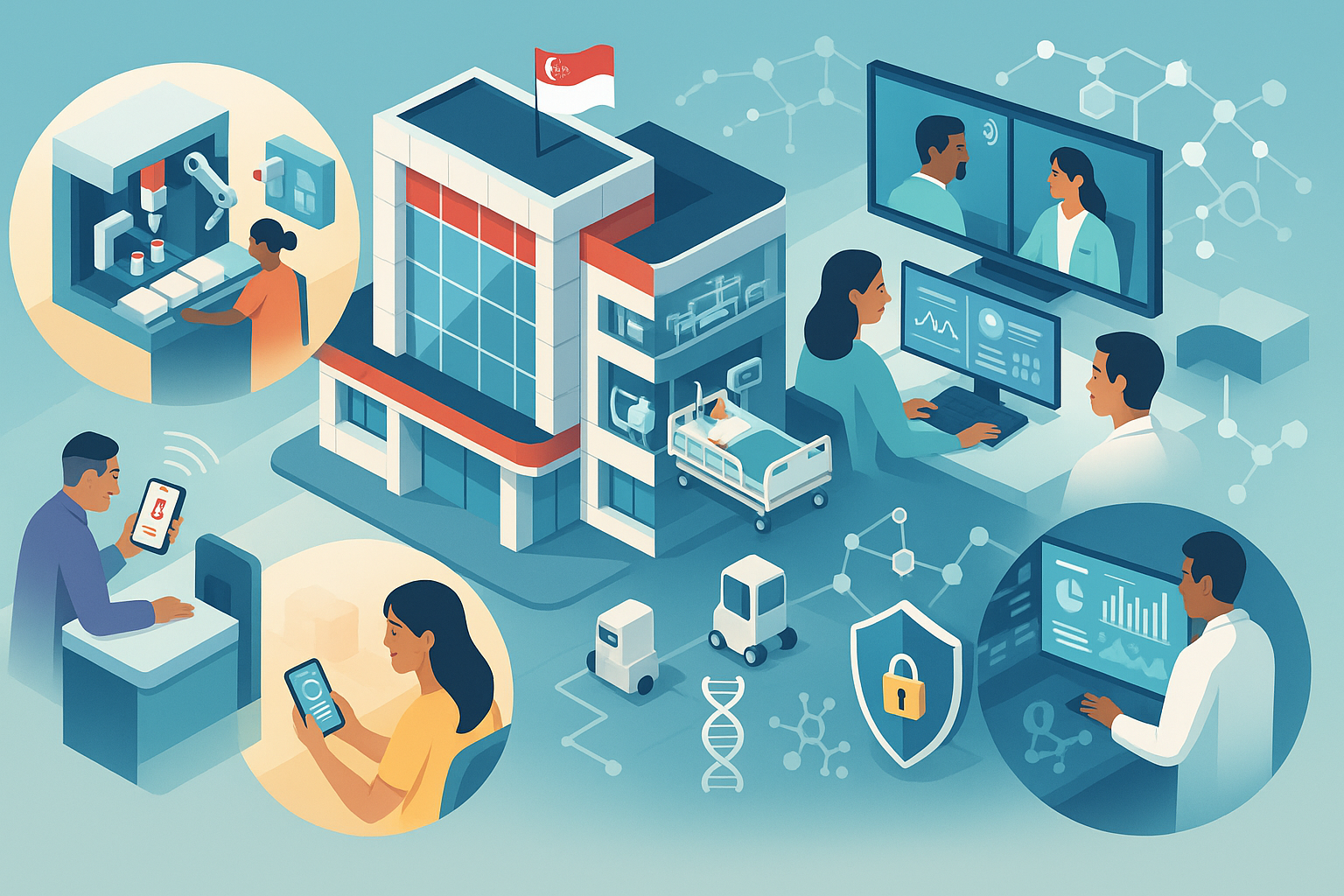
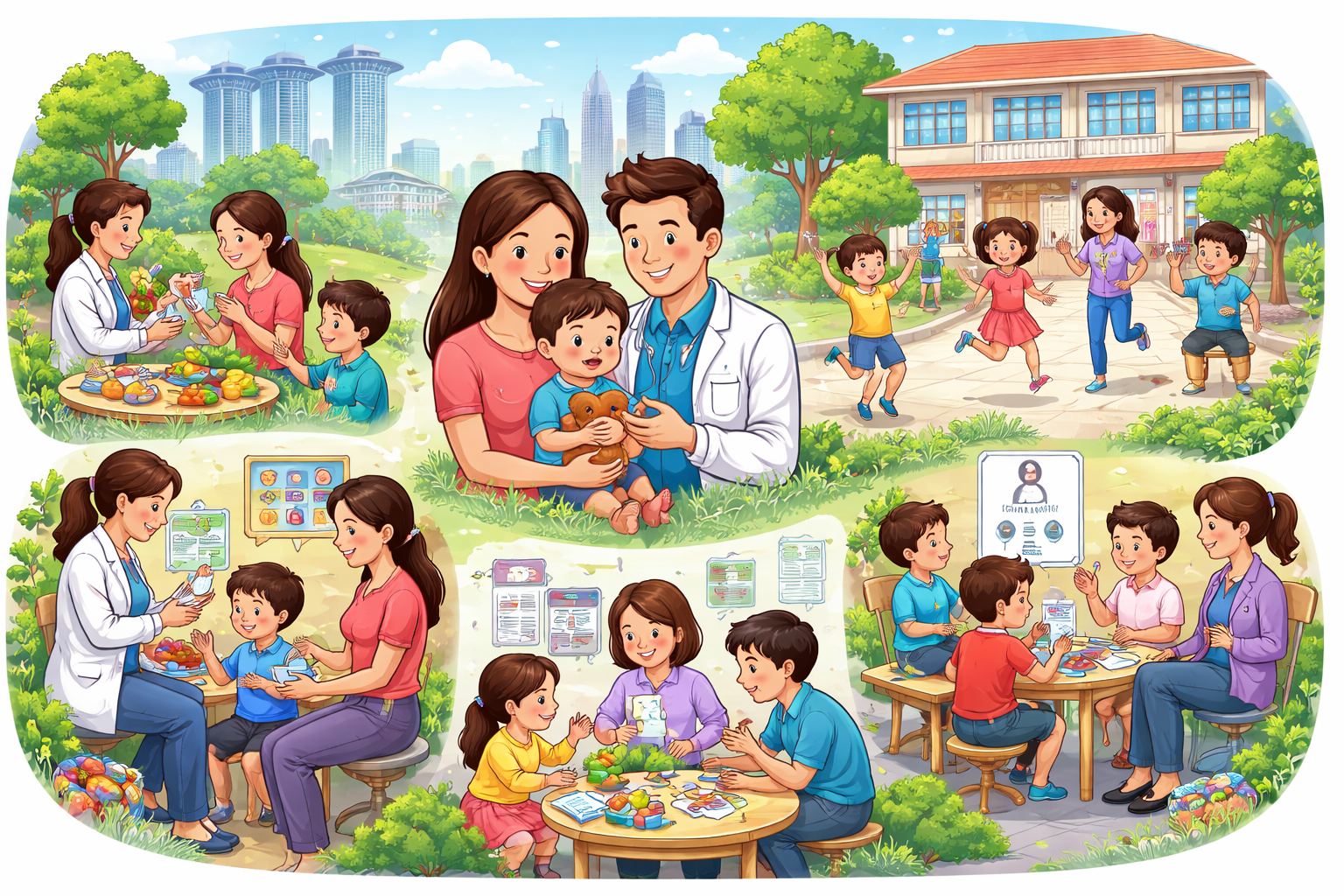
Singapore has built a child health system that combines preventive care, public education, school-based screening, and targeted support for children with special needs. The country’s approach is not limited to treating illness after it appears. Instead, it emphasizes early detection, structured follow-up, and strong coordination between families, healthcare providers, schools, and government agencies. This creates a framework in which children can receive support from infancy through adolescence.
One of the main strengths of Singapore’s child health strategy is its attention to preventive medicine. Children are encouraged to attend regular developmental and health check-ups from a young age. These visits help monitor growth, vaccination status, nutrition, vision, hearing, and overall development. By identifying concerns early, healthcare professionals can intervene before minor issues become long-term problems. This is especially important for speech delays, developmental disorders, and chronic conditions that benefit from prompt management.
Immunization is another major pillar of child health in Singapore. The national vaccination structure helps protect children from several preventable diseases. Parents are strongly encouraged to follow recommended schedules, and public health communication plays an important role in improving awareness. High vaccine coverage helps reduce disease transmission and protects vulnerable children who may be at higher risk of complications. In practical terms, this means fewer outbreaks and a healthier environment for children to grow up in.
Nutrition and healthy lifestyle education are also central to Singapore’s efforts. Schools and health agencies promote balanced meals, physical activity, and healthy daily habits. These measures are important because modern urban life can increase the risk of sedentary behavior, excessive screen time, and poor food choices. By teaching children the value of exercise, hydration, proper sleep, and nutritious eating, the system supports long-term health instead of only addressing immediate illness. This educational role is especially significant because good habits formed during childhood often continue into adulthood.
School health services add another layer of protection. In Singapore, schools are not just academic spaces; they are also platforms for health monitoring. Students may receive screenings for vision, hearing, posture, and dental health at different stages of their education. These checks help detect issues that families may not notice at home. Since schools reach large numbers of children, they provide an efficient way to identify problems early and refer students for additional care when needed.
Mental and emotional well-being has become a growing focus in child health policies as well. Singapore increasingly recognizes that a child’s health includes psychological resilience, social development, and emotional stability. Support may come through school counselors, mental health awareness programs, and specialist services for children who experience anxiety, behavioral difficulties, or stress-related challenges. This broader understanding of health reflects a more modern and holistic model of pediatric care.
For children with developmental or long-term medical needs, Singapore has introduced programs that connect families with therapy, intervention, and specialist support. Early intervention services are especially important for children with autism spectrum disorder, developmental delay, or learning difficulties. Access to structured assistance can improve communication skills, school readiness, and daily functioning. Parents also benefit from guidance, which helps them become active partners in their child’s progress.
Singapore’s child health system stands out because it links prevention, education, screening, and support into one coordinated structure. The result is a model that not only treats disease but also promotes healthier development at every stage of childhood.