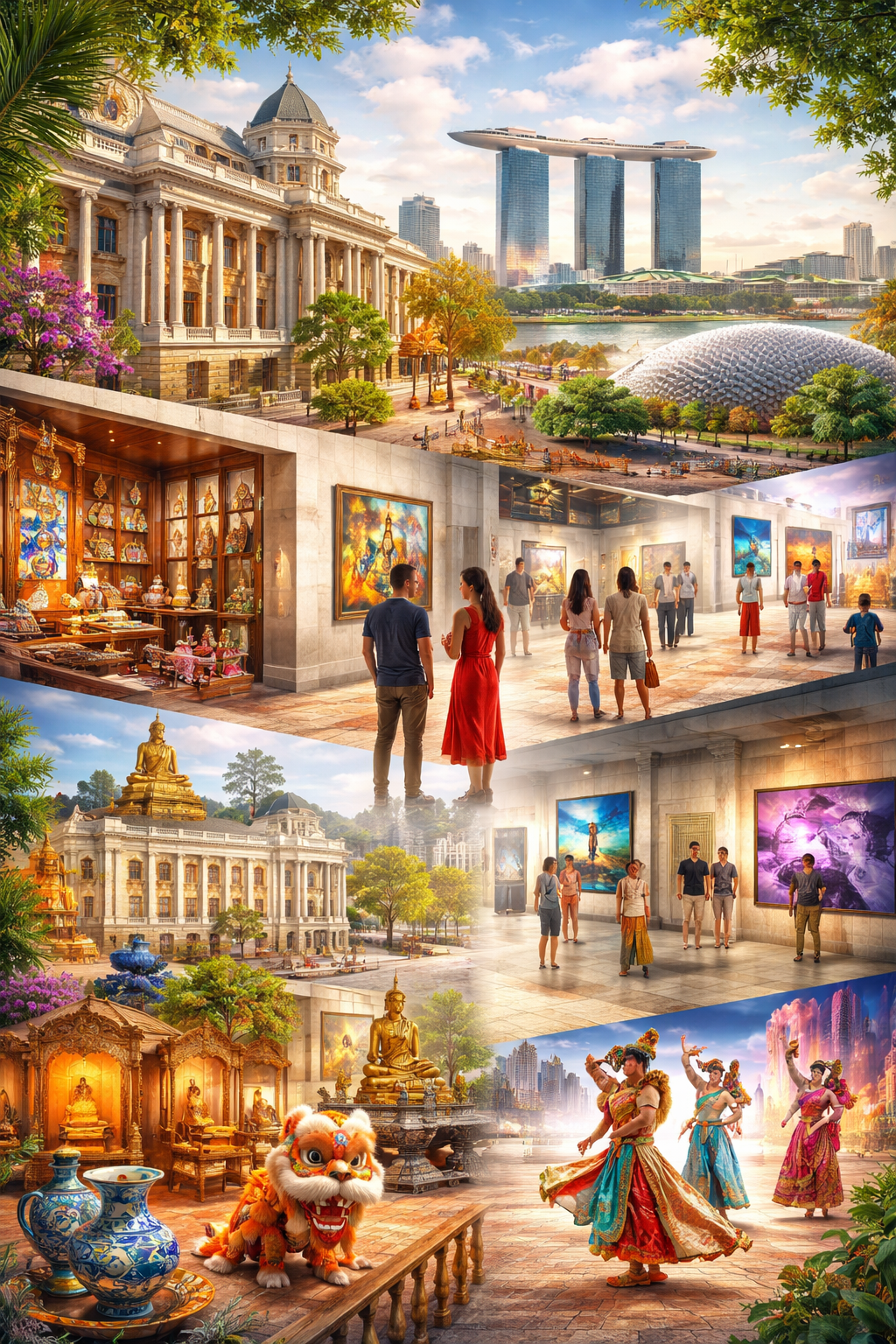

Singapore is a country that prides itself on its rich cultural diversity, which is reflected in its vibrant festival scene. Every year, the city-state hosts a variety of cultural festivals that celebrate the different ethnic groups and traditions that coexist harmoniously within its borders. These festivals not only serve as a means of preserving cultural heritage but also foster a sense of community and understanding among locals and visitors alike.
One of the most prominent festivals in Singapore is the Chinese New Year, which typically takes place in January or February. As the largest ethnic group in the country, the Chinese community celebrates this occasion with grand parades, lion dances, fireworks, and street markets. The Chinatown district becomes the focal point of the festivities, with visitors flocking to enjoy the traditional decorations, taste festive treats like bak kwa (barbecued meat) and pineapple tarts, and participate in various cultural activities. The Chinese New Year is not only a celebration of the lunar new year but also an expression of gratitude and hope for prosperity and happiness in the coming year.
Another significant cultural festival in Singapore is Hari Raya Puasa, which marks the end of Ramadan for the Muslim community. This celebration is marked by a festive atmosphere, with mosques and streets illuminated with beautiful lights and decorations. The event features a variety of cultural performances, such as traditional Malay music and dance, as well as delicious food stalls offering local delicacies like ketupat (rice cakes) and rendang (spicy beef stew). The spirit of giving is also central to Hari Raya, with Muslims visiting friends and family, exchanging gifts, and donating to charity.
The Deepavali festival, also known as the Festival of Lights, is a major celebration for the Indian community in Singapore. Deepavali marks the victory of light over darkness and good over evil, and it is observed with much grandeur. Little India becomes the center of attention during this time, with streets adorned with colorful lights, intricate decorations, and a vibrant atmosphere. Visitors can enjoy cultural performances, shop for traditional Indian clothing, and savor Indian sweets like ladoos and jalebis. The festival is a time for families to come together and offer prayers at temples, strengthening the bonds of community and cultural identity.
In addition to these ethnic celebrations, Singapore also hosts international festivals that reflect the city-state’s global outlook. The Singapore Arts Festival is one such event, bringing together artists from all over the world to showcase their talents in various forms of art, including theater, dance, music, and visual arts. This festival celebrates creativity and collaboration while promoting cross-cultural understanding and appreciation. Visitors can attend performances in venues throughout the city, from the Esplanade to outdoor stages in public spaces, making the arts accessible to everyone.
The Singapore Food Festival, another key event on the calendar, highlights the nation’s culinary diversity. Singapore’s food scene is a melting pot of flavors, influenced by Chinese, Malay, Indian, and various international cuisines. The food festival celebrates this diversity, with food stalls, cooking demonstrations, and tasting sessions showcasing the best of Singaporean cuisine. From hawker center favorites like chili crab and laksa to fusion dishes, the festival is a testament to Singapore’s rich culinary heritage and its ability to blend traditions from around the world.
Through these festivals, Singapore demonstrates how cultural diversity can be celebrated and cherished. They provide opportunities for people from different backgrounds to come together, share traditions, and foster mutual respect and understanding. Each festival tells a unique story about the history, values, and customs of the people who call Singapore home. Whether it’s through colorful parades, religious ceremonies, or culinary experiences, these cultural festivals contribute to the fabric of Singapore’s identity as a harmonious, multicultural society.