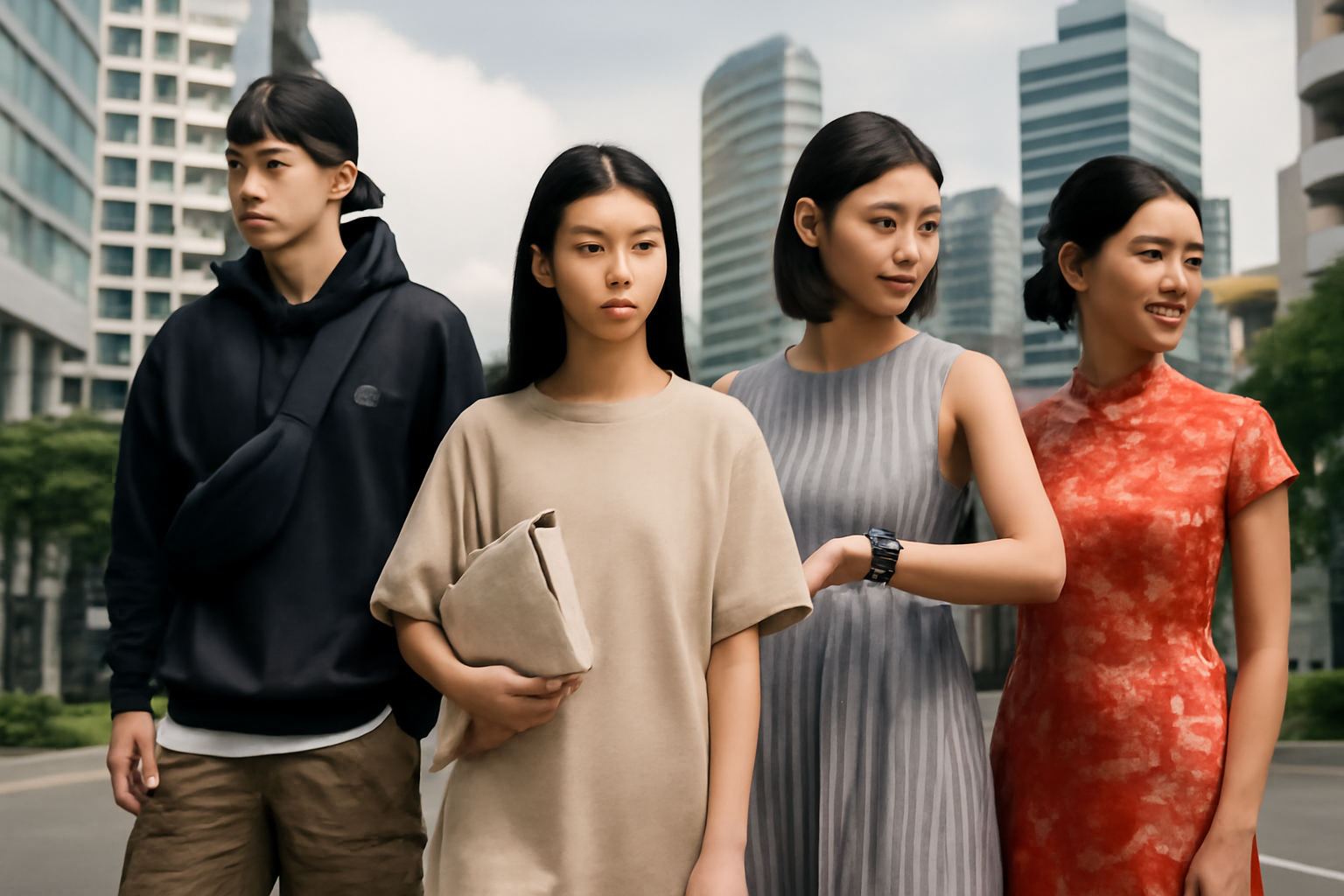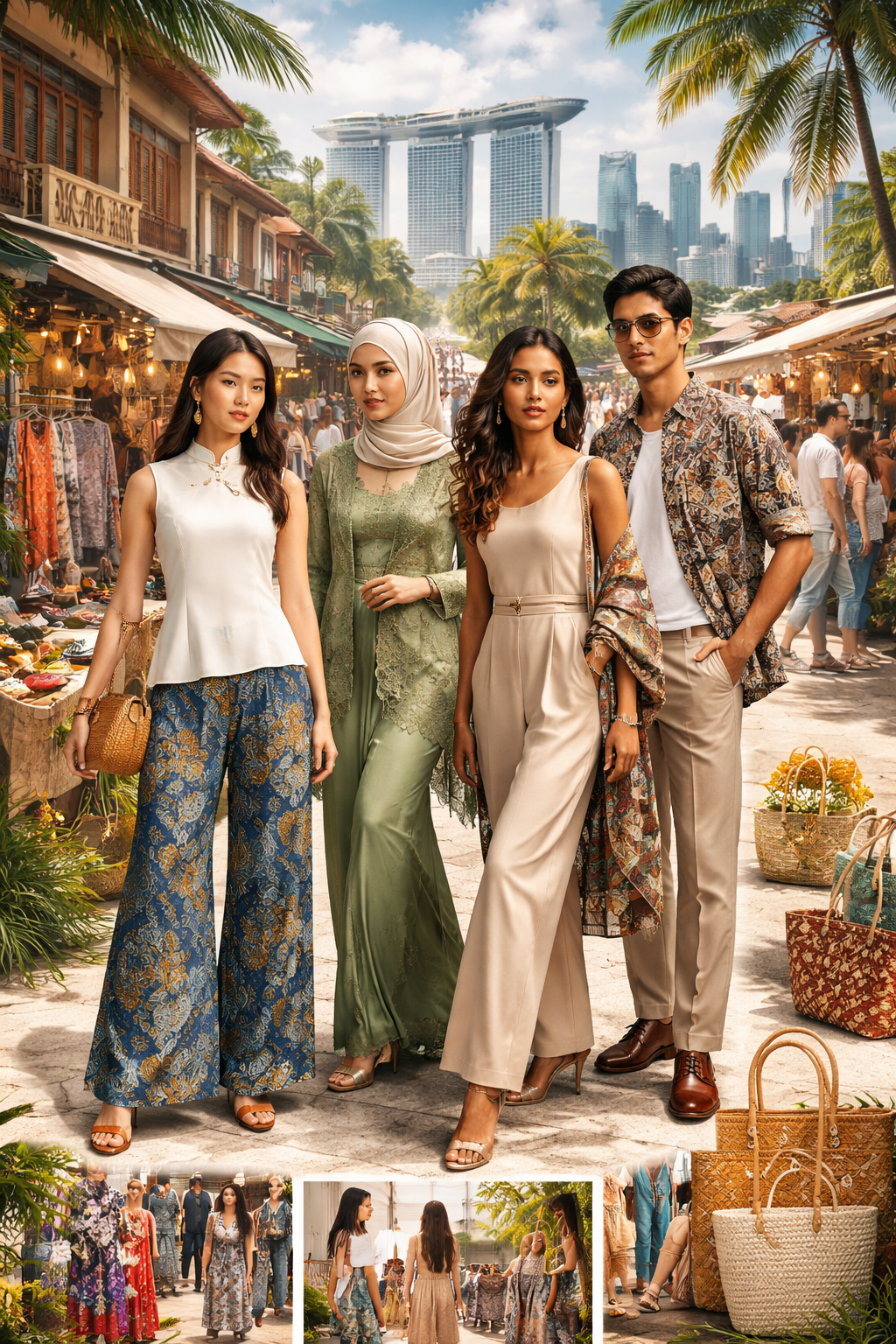

Singapore, a global hub for innovation and business, is increasingly becoming a key player in the sustainable fashion movement. In recent years, the city-state has seen a surge in eco-conscious consumers and fashion brands that are dedicated to minimizing their environmental impact. As sustainability becomes a key factor in purchasing decisions, the fashion industry in Singapore is embracing more ethical and eco-friendly practices, ranging from the materials used to production methods.
One of the primary aspects driving the eco-friendly fashion movement is the growing awareness of the environmental toll that the traditional fashion industry takes on the planet. Fast fashion, characterized by cheap, mass-produced garments, is known for its significant contribution to pollution, waste, and exploitation of resources. In response, a new wave of designers, entrepreneurs, and consumers in Singapore are seeking alternatives that prioritize sustainability.
A variety of initiatives are emerging within Singapore’s fashion sector. Brands such as Dresses for the Future are committed to using eco-friendly materials like organic cotton, bamboo, and recycled fabrics. These brands are not only focused on reducing environmental harm but are also committed to ethical labor practices, ensuring that workers in the fashion supply chain are treated fairly.
Additionally, the popularity of second-hand shopping and clothing rental services is growing in Singapore. Platforms like Reebonz and PatSnap offer consumers the opportunity to buy pre-owned luxury items or rent high-quality clothing, extending the life cycle of garments and reducing the need for new production. This shift not only decreases textile waste but also encourages a more mindful approach to consumption.
Another important aspect of sustainable fashion is the push for transparency within the industry. Local fashion brands are increasingly open about their supply chains, ensuring that consumers know where and how their clothes are made. Initiatives like the Singapore Green Building Council have also worked to promote sustainability within the fashion industry by encouraging the use of eco-friendly production practices and reducing carbon footprints.
Singapore’s government plays a significant role in fostering sustainable business practices. Through programs such as the Singapore Green Plan 2030, the country has made ambitious commitments to improving sustainability across all sectors, including fashion. By offering grants, incentives, and industry partnerships, Singapore aims to support businesses that adopt sustainable practices and help them scale their impact.
As the demand for eco-friendly fashion continues to rise, Singapore’s fashion industry is poised to set a global example. The country’s commitment to sustainability is evident in the growing number of brands, initiatives, and government policies that encourage environmental responsibility. Whether through sustainable materials, second-hand shopping, or ethical production practices, Singapore is demonstrating that fashion can be both stylish and environmentally conscious.