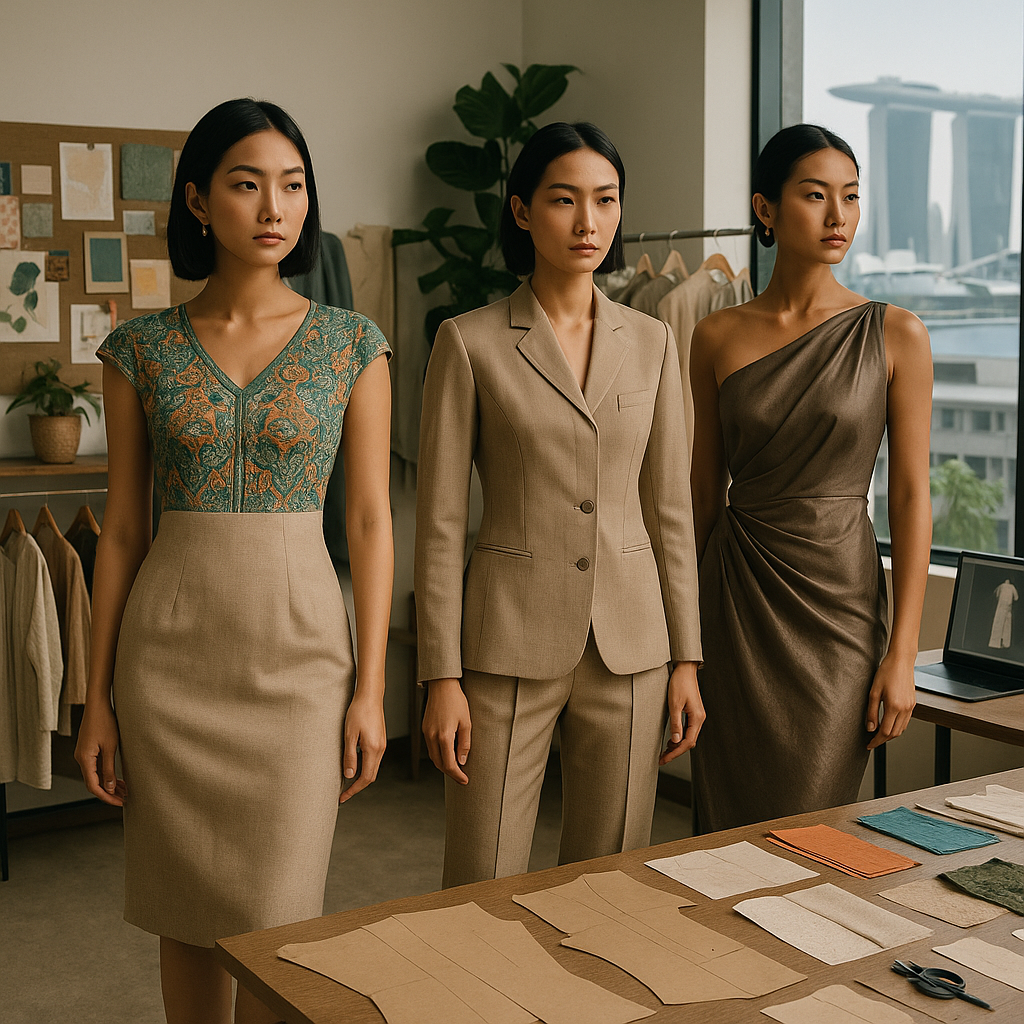

Singapore’s fashion story is one of precision, restraint, and quiet confidence turning into global momentum. Rather than chasing shock value, homegrown brands tend to build durable identities, then scale with discipline. Charles & Keith, for instance, proves how a clear proposition—accessible, design-led footwear and bags—can travel across Asia, the Middle East, and beyond through consistent retail execution and rapid product refresh. Love, Bonito shows a different path: data-informed womenswear tailored to Asian body proportions, refined through community feedback and omnichannel touchpoints.
What unites these labels is a rigorous approach to product. In Good Company treats basics as architecture: clean lines, technical fabrics, and modular wardrobes that layer elegantly from office to weekend. Ong Shunmugam reimagines heritage wear—think cheongsam silhouettes, batik, and lace—with contemporary cuts, turning regional craft into cosmopolitan attire. Streetwear and customization add further texture via creators like SBTG, whose sneaker artistry demonstrates Singapore’s fluency in global subculture.
Scaling from an island market requires leverage. E-commerce and social commerce gave Singapore brands a runway to test new geographies before committing to leases. Pop-ups and department-store corners followed, allowing rapid learning about fit, color preferences, and price elasticity. Many founders use flexible manufacturing across Southeast Asia and China to balance quality with speed, tightening buy cycles so inventory risk stays low.
Brand voices often feel precise rather than loud. Visual identities are minimal; packaging and store design are tidy and transportable. This matters: a brand that travels needs a retail kit adaptable from Jakarta to Dubai to Vancouver. Charles & Keith’s store templates, Love, Bonito’s fit rooms and community programming, and In Good Company’s gallery-like spaces exemplify design systems that scale.
Singapore’s ecosystem quietly boosts this journey. Multi-brand destinations—Design Orchard, curated boutiques along Haji Lane, and progressive department stores—offer discovery and early feedback. Industry groups and grants nudge experimentation in sustainability, textile innovation, and overseas fairs, while Changi’s global footfall helps brands meet travelers who later convert online.
Sustainability has become a differentiator. Small-batch drops, recycled materials in accessories, and 3D sampling to reduce waste show up across collections. The approach is pragmatic: reduce excess, design for longevity, and educate customers on care. For jewelry and accessories labels like Carrie K., traceability and repair programs reinforce a culture of keep-and-treasure.
The result is a portfolio of brands that feel modern, wearable, and export-ready. Without leaning on celebrity theatrics, Singapore labels win through sharp editing, technical execution, and cultural fluency. That combination—craft plus clarity—turns a small domestic base into a global stage.