Singapore, a global culinary hotspot, has always been known for its diverse and vibrant food scene. The city’s cuisine is a rich blend of cultures, from Chinese to Malay to Indian influences, reflecting its multicultural population. Over the years, the food landscape has evolved, with new trends emerging, particularly in the realm of fusion food and innovative flavor pairings. This trend has redefined traditional dishes, pushing the boundaries of culinary creativity and experimentation.
Fusion food, a concept that blends ingredients and techniques from different culinary traditions, is now a hallmark of Singapore’s modern food culture. Chefs and food entrepreneurs are no longer bound by the traditional culinary rules. Instead, they are embracing cross-cultural combinations, taking iconic dishes and infusing them with unexpected flavors or cooking methods. The result is a dynamic fusion of textures and tastes that are both familiar yet adventurous.
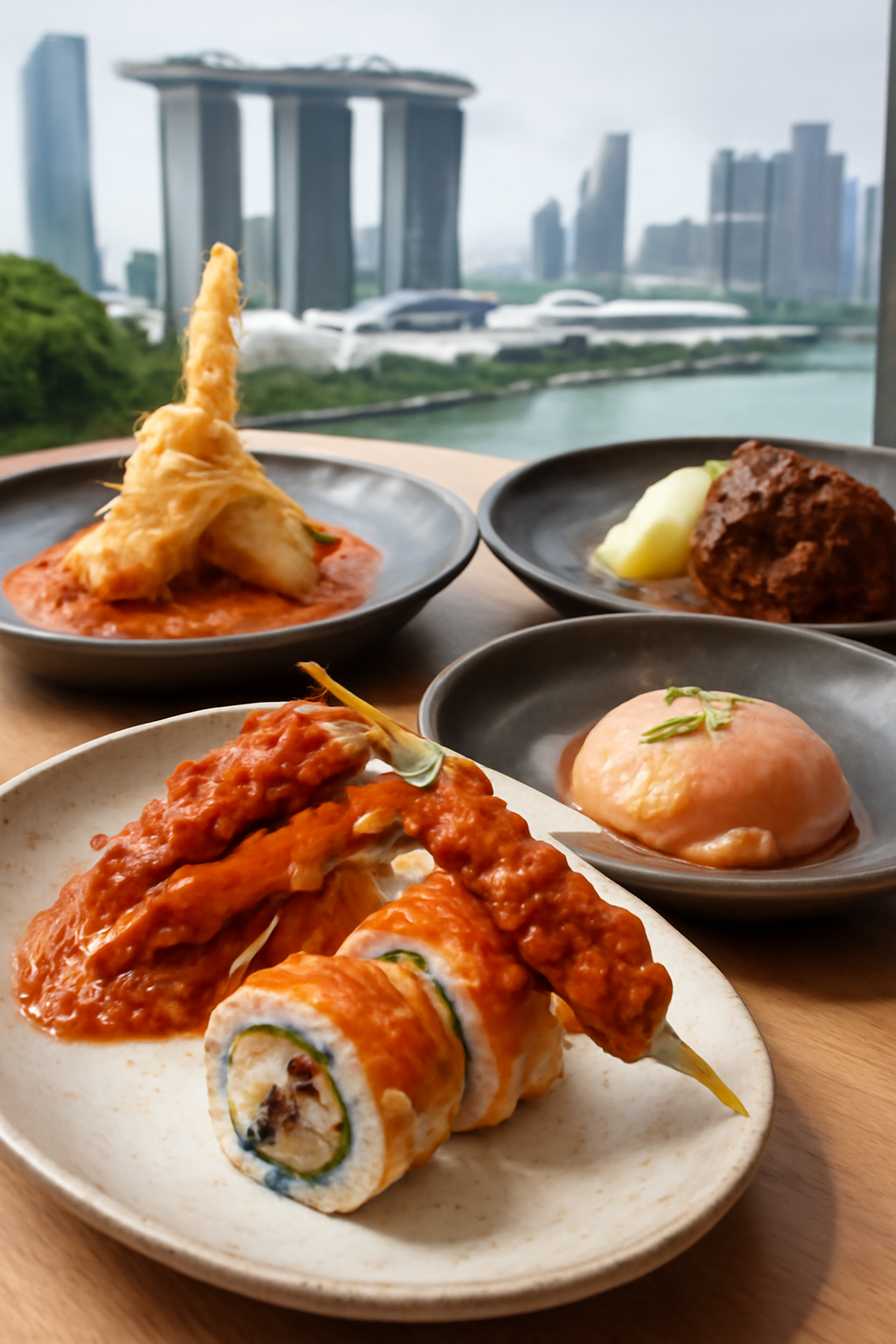
One notable example is the increasing popularity of Peranakan cuisine, which melds Malay and Chinese influences. In the hands of modern chefs, these dishes have taken on new forms, with ingredients like Japanese miso, French herbs, or even Italian truffle oil being incorporated into traditional recipes. For example, a modern take on laksa, the spicy noodle soup, might feature a rich, creamy broth infused with truffle or infused with an infusion of Japanese dashi. Similarly, Singapore’s famed chili crab may now appear with a touch of Thai basil or a hint of lemongrass to give it an unexpected twist.
The art of innovation is not limited to simply fusing flavors from different cultures but also extends to techniques. Modern cooking tools like liquid nitrogen, sous-vide machines, and fermentation methods are finding their way into local kitchens. The use of these advanced techniques not only elevates the textures and presentation of dishes but also allows for new ways of exploring the flavors. Restaurants like Labyrinth and Odette are prime examples of establishments that champion this approach, offering patrons a chance to experience Singaporean classics in innovative forms.
What makes the fusion food scene particularly exciting in Singapore is its openness to experimentation. There is no shortage of pop-up eateries, food festivals, and collaborations between chefs that encourage bold and unconventional culinary explorations. Moreover, social media platforms like Instagram have fueled this creative food revolution. Chefs are now more motivated than ever to make their dishes visually striking, and the unique combination of ingredients often makes them go viral, drawing food lovers from all over the world.
The intersection of modern dining and traditional flavors has also led to a resurgence in the appreciation for local ingredients. Singaporean chefs are reimagining the use of native herbs, fruits, and spices that are unique to Southeast Asia. These include ingredients such as pandan, kaffir lime leaves, or tamarind, all of which are finding their way into both savory and sweet fusion dishes. This practice not only highlights the region’s rich culinary heritage but also promotes sustainability by using locally sourced products.
The global influence on Singapore’s food scene is another driving factor behind these innovations. As international travel becomes more accessible, new ideas and trends spread quickly, and chefs are keen to incorporate global influences into their menus. The city’s cosmopolitan vibe encourages a blending of the world’s best culinary practices, allowing local chefs to stay ahead of global food trends while still maintaining a distinct identity.
As this fusion food trend continues to evolve, there is no telling how far the innovation will go. What is certain, however, is that the intersection of tradition and innovation will continue to shape Singapore’s culinary landscape, offering both locals and tourists alike an ever-evolving feast for the senses.