
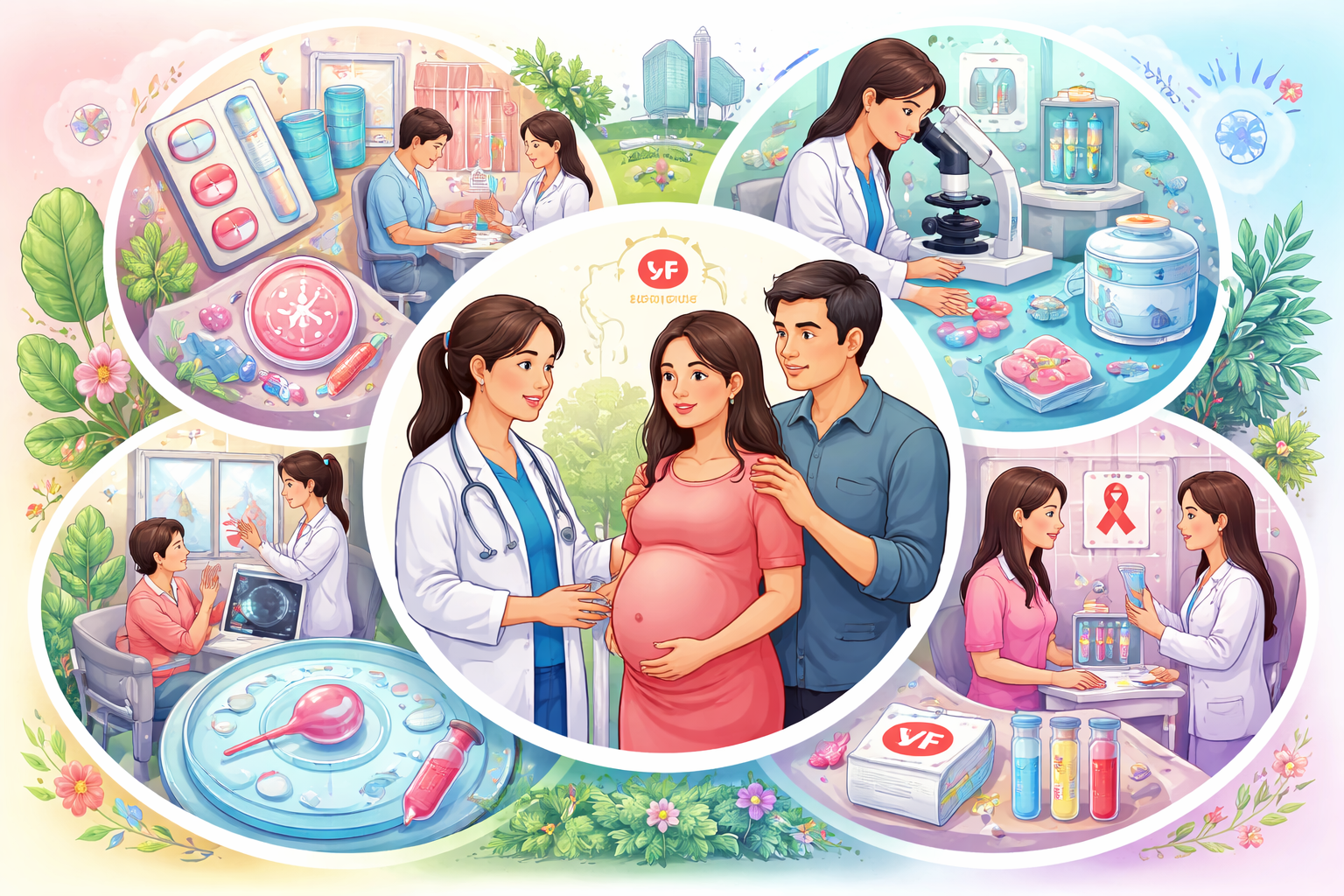
Reproductive health in Singapore is a topic of considerable importance, as it is a country that emphasizes high standards of healthcare while ensuring access to a wide range of reproductive services. The city-state has implemented policies and systems that make reproductive care accessible, affordable, and efficient for its residents, ensuring that both women and men can access the necessary services for their reproductive health needs.
Singapore’s healthcare system is known for its advanced medical infrastructure and well-trained medical professionals, making it one of the leading countries in Southeast Asia when it comes to reproductive health. The government has invested heavily in healthcare, resulting in a system where access to reproductive care is streamlined and of high quality. Hospitals, clinics, and healthcare providers offer comprehensive services that include family planning, maternal health care, infertility treatments, as well as sexually transmitted infection (STI) prevention and management.
One key element in reproductive health care in Singapore is family planning. Singapore’s Ministry of Health provides extensive resources and education on contraception methods, enabling individuals and couples to make informed choices about family planning. Various contraceptive methods, including birth control pills, intrauterine devices (IUDs), and male and female condoms, are available at both public and private healthcare facilities. These methods are affordable and accessible, ensuring that Singaporeans can take control of their reproductive health.
For women, maternal health care is a significant part of reproductive health services in Singapore. Prenatal care is provided to ensure that pregnancies are monitored closely, minimizing risks for both mother and child. Singapore also offers access to advanced obstetric care, including screenings for genetic conditions and access to fertility specialists for women experiencing challenges with conception. The country’s maternal mortality rate is one of the lowest globally, thanks to the high standards of care available to expectant mothers.
Another critical area in Singapore’s reproductive health landscape is infertility treatment. With the prevalence of infertility on the rise, many Singaporeans seek medical assistance to conceive. The government has responded to this need by establishing specialized fertility centers that offer a range of assisted reproductive technologies, such as in vitro fertilization (IVF) and egg freezing. These treatments are supported by regulations that help ensure that ethical practices are followed and that medical procedures are safe and reliable.
Sexually transmitted infections (STIs) are also a key concern in reproductive health. Singapore has a well-established public health system that actively promotes STI prevention through education, screenings, and treatment. The government runs awareness campaigns to educate the public on the importance of safe sex and the consequences of untreated STIs. Clinics across the country offer STI testing and treatment, with an emphasis on confidentiality and ease of access. Public health initiatives also work to reduce the stigma around seeking care for STIs, encouraging individuals to take proactive steps towards maintaining their sexual health.
In addition to the standard reproductive health services, Singapore also provides support for sexual health education. Schools, public health campaigns, and community organizations contribute to promoting awareness about reproductive health. Through these efforts, Singapore’s population is educated on topics such as consent, sexual rights, and the importance of regular health check-ups. This focus on comprehensive sexual health education is pivotal in fostering a society that values health and well-being for all.
Singapore’s healthcare system provides an exemplary model for reproductive health access. It balances affordability, accessibility, and high-quality care, ensuring that reproductive health services are available to those who need them. With the combination of cutting-edge medical care, comprehensive education, and active government policies, the country has established itself as a leader in reproductive health in the region.