Singapore’s fashion identity is shaped by a rare combination of deep-rooted multicultural heritage and constant exposure to international trends. As a trading hub and modern metropolis, the city-state absorbs global influences quickly—yet it also preserves and reinterprets local aesthetics drawn from Chinese, Malay, Indian, and Peranakan traditions. The result is a style ecosystem that feels both cosmopolitan and distinctly Singaporean.
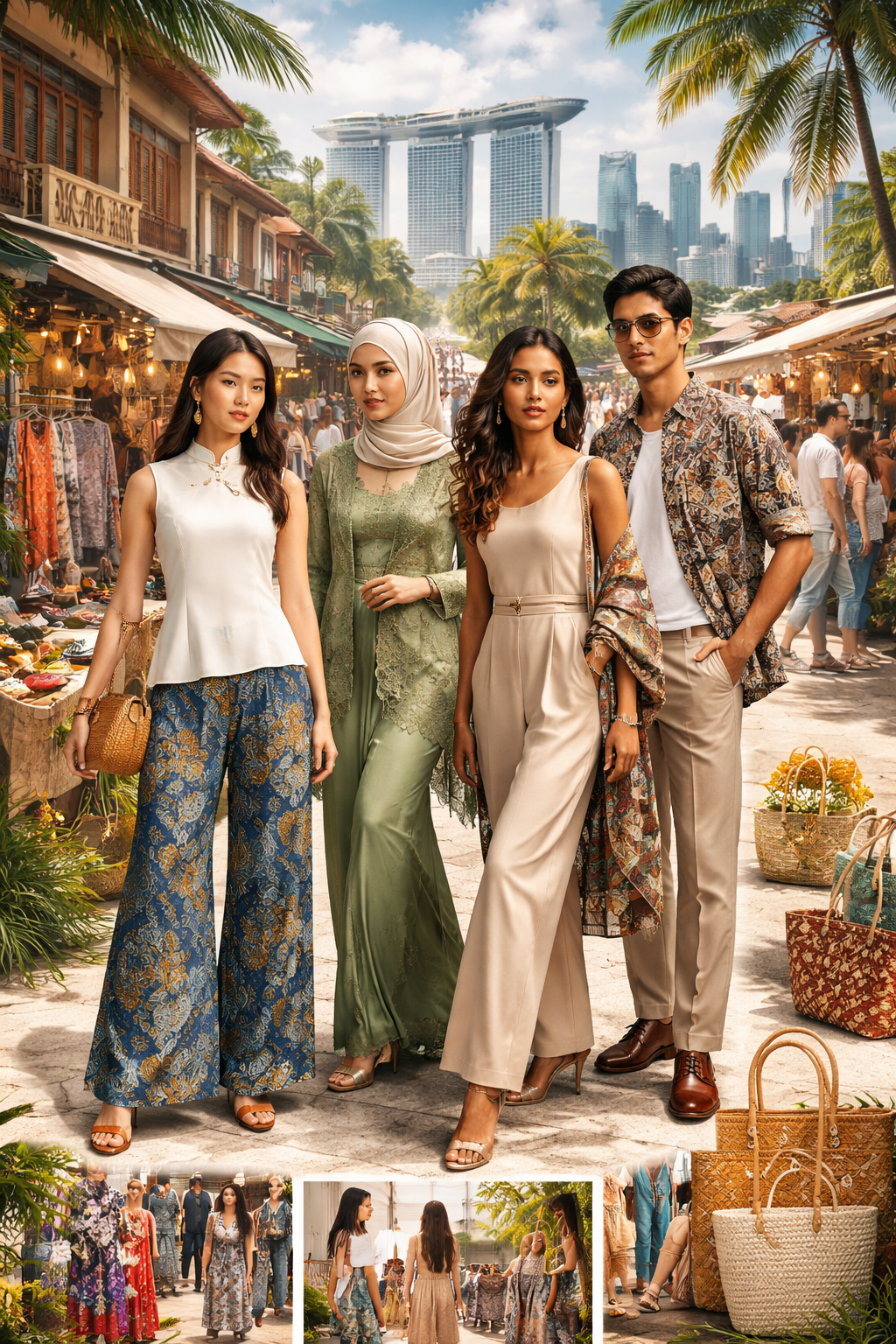
Traditional clothing remains a visible reference point, even in contemporary design. The cheongsam (qipao), kebaya, and saree are worn during festivals such as Chinese New Year, Hari Raya, and Deepavali, but their influence goes beyond ceremonial wear. Modern labels frequently borrow elements like mandarin collars, batik-inspired prints, intricate embroidery, and structured silhouettes. Designers might adapt kebaya lace into modern blouses or translate batik motifs into minimalist dresses and streetwear pieces, creating garments that can move from cultural events to everyday life.
Singapore’s climate is another defining factor. High humidity encourages lightweight fabrics and breathable construction. Linen, cotton, rayon, and technical materials are common, and many local brands prioritize airy cuts, relaxed tailoring, and versatile layering. This practicality has helped shape a “tropical modern” look—clean lines, comfortable fits, and smart design details that keep garments polished without feeling heavy.
On the global side, Singapore’s consumers are highly connected. International luxury houses and fast-fashion chains sit alongside independent boutiques, and social media accelerates trend adoption. You can see Korean-inspired styling, Japanese streetwear sensibilities, and European tailoring on the same MRT line. Rather than replacing local culture, this constant influx pushes designers and shoppers to remix influences: sneakers with a kebaya-inspired top, a structured blazer over a batik skirt, or modest fashion styling paired with contemporary accessories.
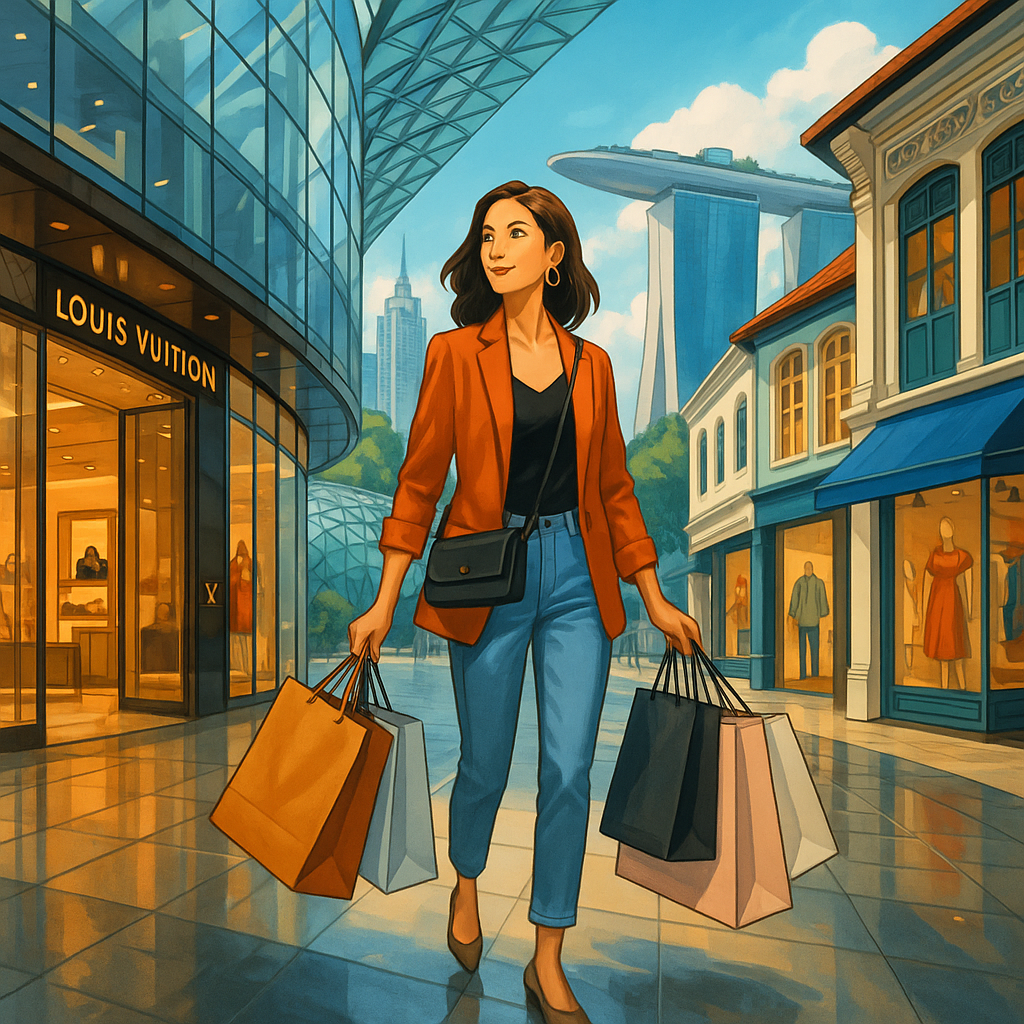
Neighborhoods and retail spaces reveal how diverse the scene is. Orchard Road represents the city’s high-gloss retail face, featuring flagship stores, luxury boutiques, and fashion events that mirror major global capitals. Meanwhile, areas like Bugis, Kampong Glam, and parts of Chinatown offer a different texture: independent designers, thrift shops, textile stores, and niche streetwear outlets. These districts often serve as creative laboratories where heritage references and global subcultures—punk, hip-hop, minimalism, modest fashion—blend into new hybrids.
Multicultural identity also drives Singapore’s approach to modest fashion. With a significant Muslim community and broader regional ties to Southeast Asia, modest wear is not a niche category—it’s a meaningful market that overlaps with mainstream style. Local designers experiment with loose silhouettes, elevated fabrics, and styling that balances coverage with contemporary aesthetics. This has helped Singapore become a place where modest fashion and modern design are frequently seen as complementary rather than opposing.
Sustainability and mindful consumption are growing priorities, influenced by global conversations and local practicality. Secondhand shopping, clothing swaps, and small-batch production have gained traction. Some designers emphasize durability, repairability, and seasonless pieces that match the city’s year-round weather. Others explore fabric innovation and responsible sourcing, reflecting Singapore’s broader interest in smart, forward-looking solutions.
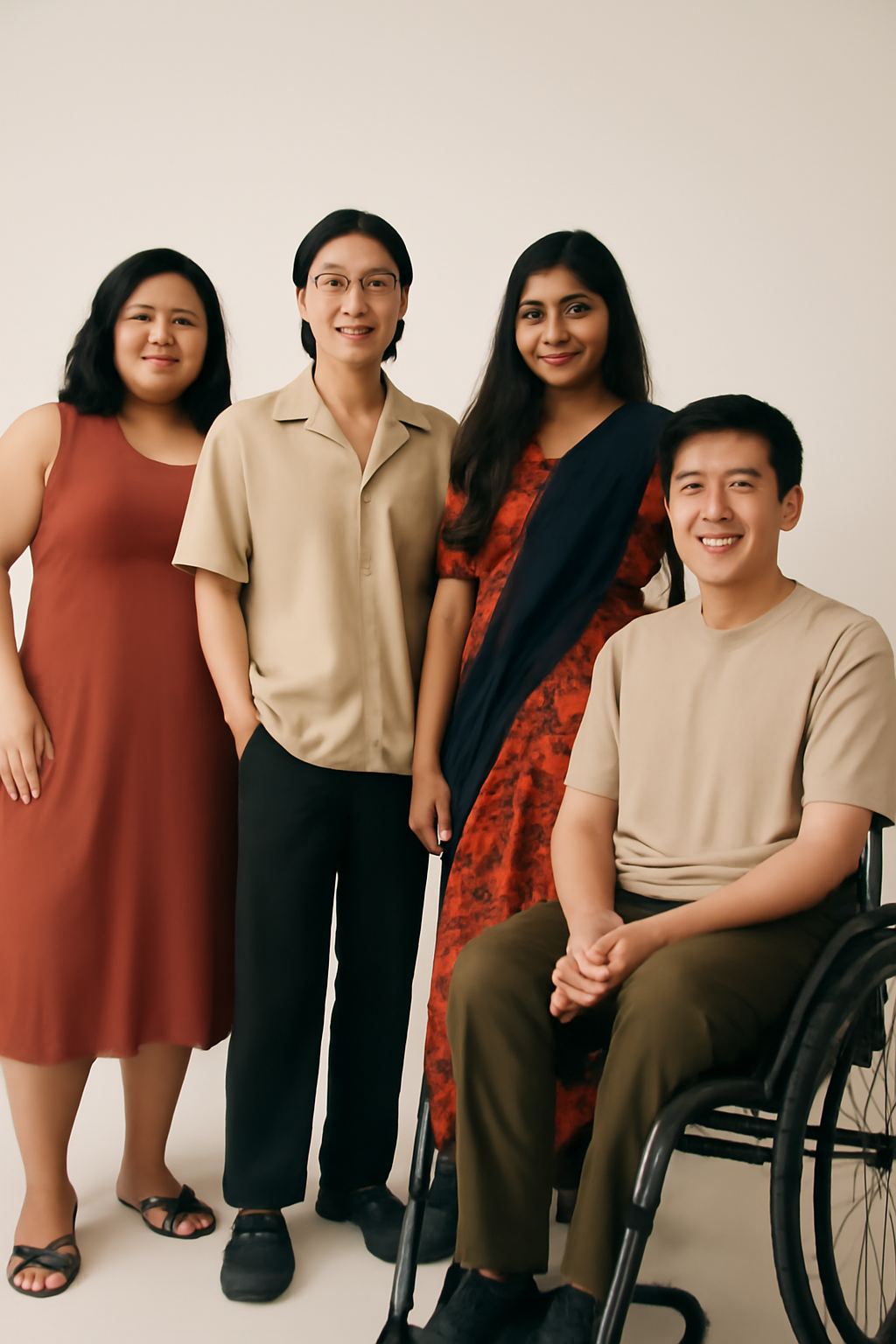
Fashion in Singapore is best understood as a dialogue: tradition informs modern design, global trends inspire new pairings, and everyday needs—weather, commuting, versatility—shape how people actually dress. In this ongoing exchange, the city’s style remains dynamic, hybrid, and unmistakably shaped by the intersection of local culture and global influence.