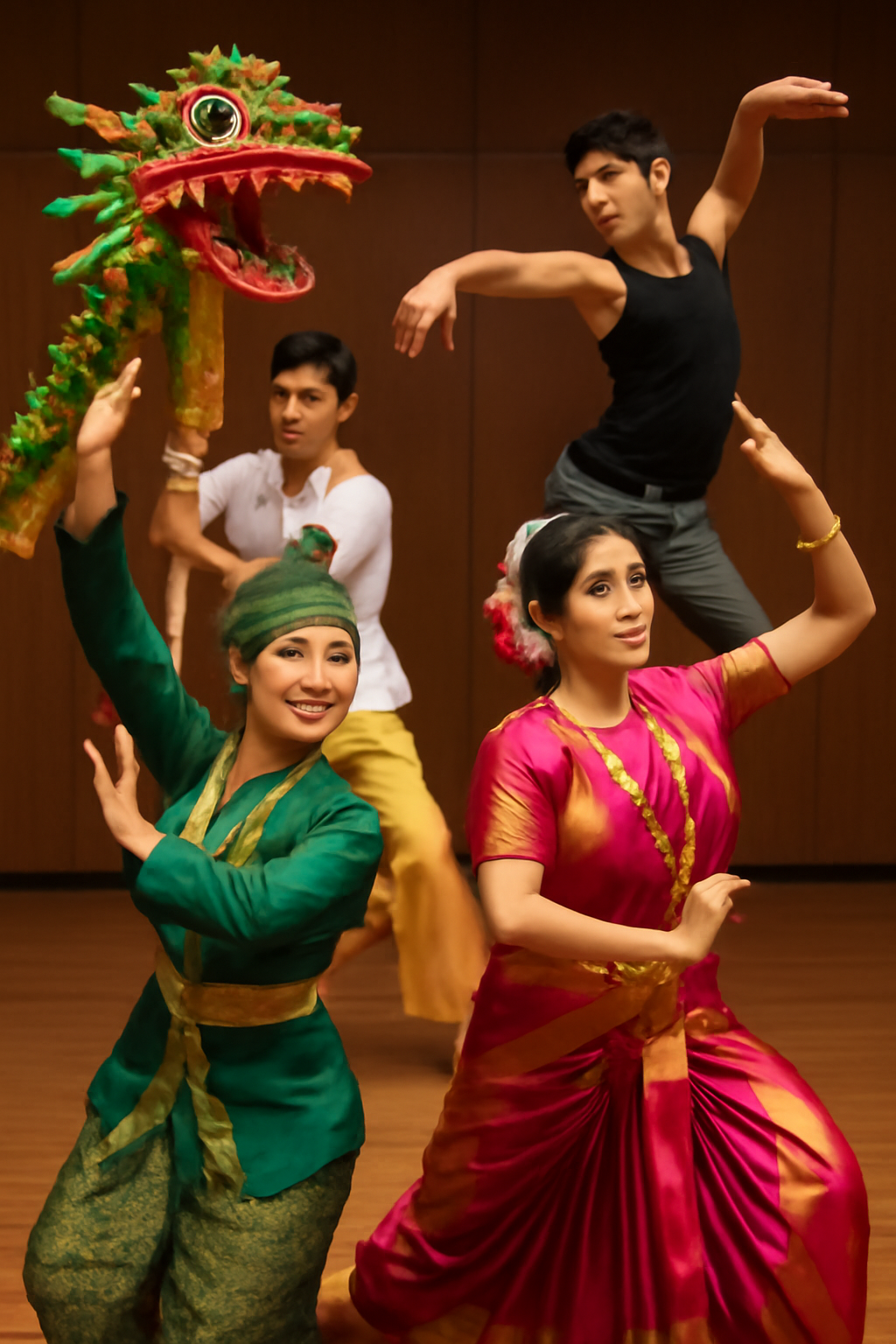
Singapore’s theatre scene is compact yet astonishingly varied, shaped by its multilingual society and a policy-driven arts ecosystem. On any given weekend you can move from a Shakespeare adaptation to an edgy devised work, from Malay contemporary plays to Chinese opera and Tamil-language productions. This range reflects the city’s layered history: itinerant troupes and bangsawan in the early 20th century, amateur English-language groups in the colonial era, and a post-independence push to professionalize and support the arts.
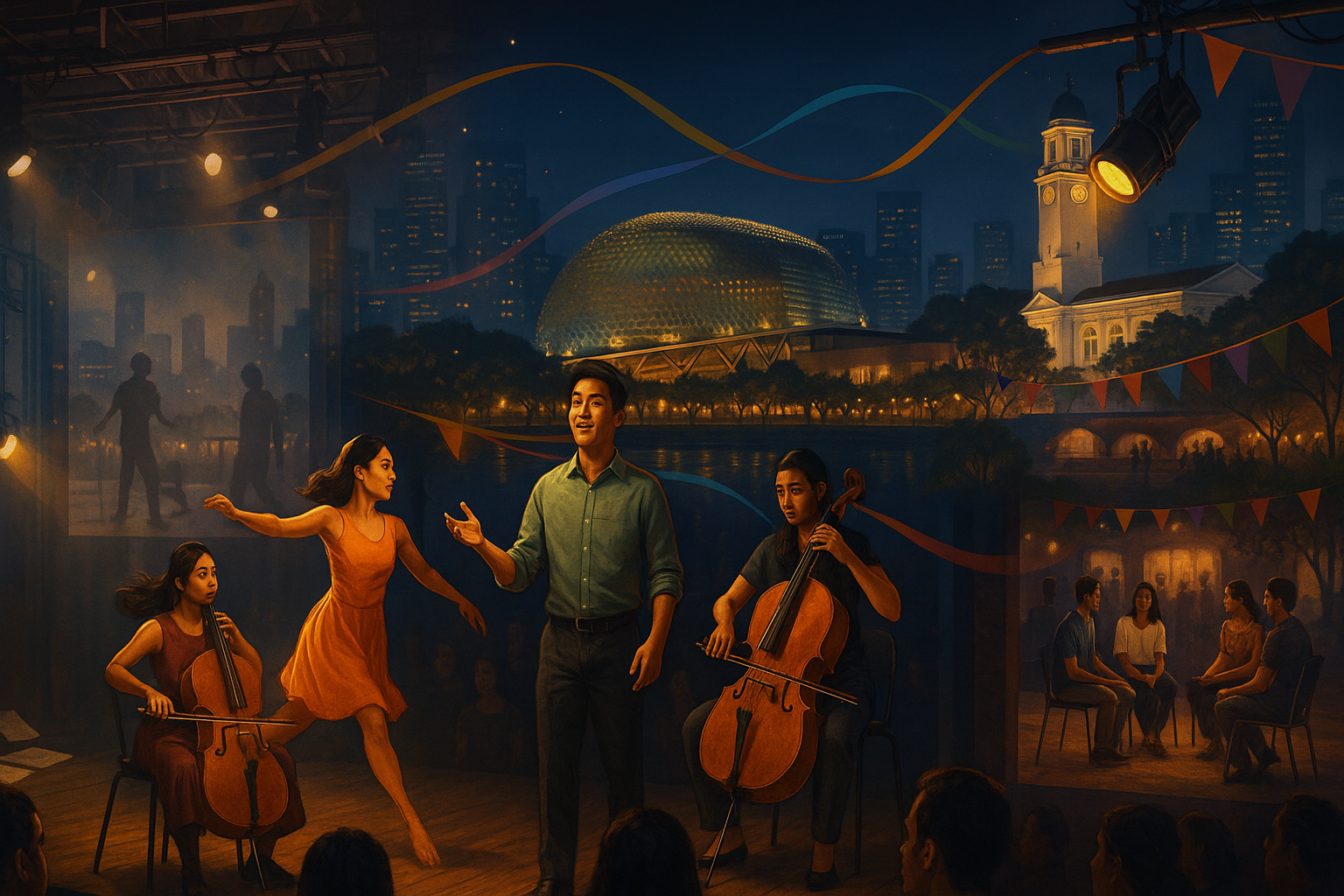
Venues anchor this story. The Esplanade – Theatres on the Bay, with its concert hall and theatres, is the symbolic heart, hosting local companies and touring giants. Victoria Theatre and Concert Hall pair heritage architecture with modern facilities. The Drama Centre, Gateway Theatre, KC Arts Centre, and numerous black boxes in Goodman and Aliwal arts precincts give creators spaces scaled to experimentation. These places are more than stages; they’re networks for technical talent, producers, and audiences.
Flagship companies showcase different signatures. WILD RICE blends contemporary wit with Southeast Asian sensibilities and a commitment to original writing. The Necessary Stage is known for socially inquisitive, collaborative works. Pangdemonium often mounts psychologically intense plays with high production polish. TheatreWorks and Singapore Repertory Theatre (SRT) expand the repertoire with international collaborations and classics.
Festivals punctuate the calendar and nurture risk. The Singapore International Festival of Arts (SIFA) gathers local and global artists under a curated theme, often spotlighting cross-disciplinary projects. M1 Singapore Fringe Festival leans into boundary-pushing forms and topics. Alongside them, community festivals and school showcases grow the next generation of performers and audiences.
Support structures matter. The National Arts Council offers grants and residencies, while education pipelines run through LASALLE College of the Arts, Nanyang Academy of Fine Arts, and university programs. These institutions train actors, designers, dramaturgs, and stage managers, raising the baseline of craft and critical thinking. Artist development also occurs in company-led labs and mentorships.
Because the city is multilingual, language becomes a point of invention rather than a barrier. Many productions code-switch or provide surtitles; adaptations migrate stories across English, Mandarin, Malay, and Tamil. Themes often circle identity, migration, class, and memory, holding a mirror up to a fast-changing society. Documentary theatre and verbatim forms have gained ground, bringing real voices on stage.
Practical tips for visitors: Check venue sites and company pages for schedules and student/senior discounts. Expect content advisories and age ratings administered by regulators; these help set expectations without stifling diversity. If you’re new, start with a familiar title at the Esplanade, then dive into a black-box piece at a smaller venue to feel the intimacy of Singapore’s independent scene. You’ll find a city that treats the stage not as ornament, but as a living forum.