
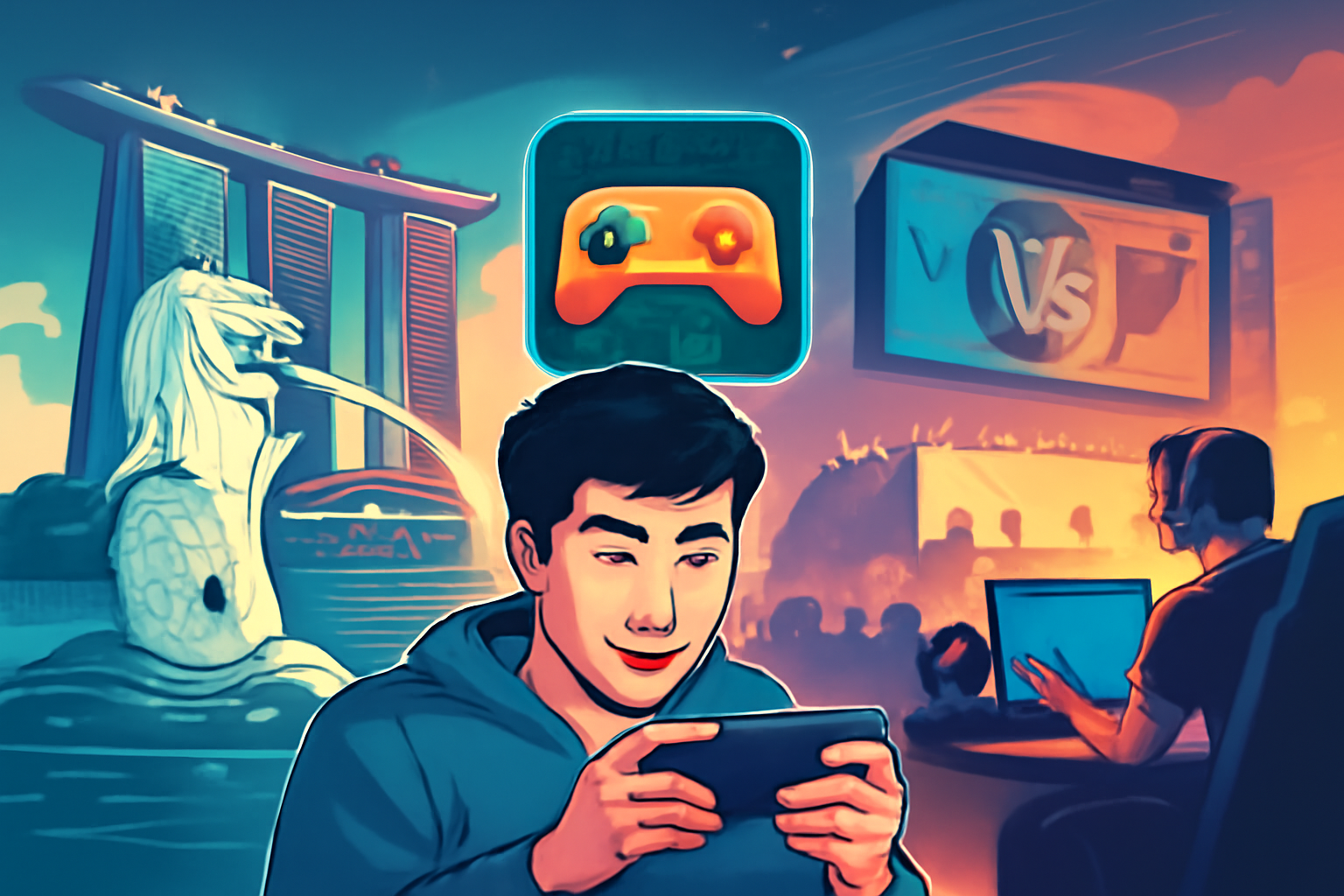
Singapore’s video game industry has experienced remarkable growth in recent years, making it a key player in the global gaming scene. As a technologically advanced city-state with a highly connected population, Singapore has emerged as a hub for both game development and gaming culture. The growth of the gaming industry in Singapore can be attributed to several factors, including strong government support, technological infrastructure, and a vibrant community of developers, players, and enthusiasts.
In the early 2000s, the gaming industry in Singapore was still in its nascent stages, with most gaming activity centered around PC gaming and console entertainment. However, the digital revolution and the rise of mobile gaming spurred growth, particularly in the mobile sector, where Singapore has seen an increasing number of game developers capitalizing on the region’s high smartphone penetration.
Government initiatives, such as the Infocomm Media Development Authority (IMDA) and the Media Development Authority (MDA), have played a significant role in supporting the development of the video game industry. These agencies provide funding, training, and resources for local game developers, helping them bring their creations to life and reach international markets. Additionally, Singapore’s favorable business environment, with low taxes and access to global markets, has attracted international gaming companies to set up regional offices in the country.
Singapore has also become a hotbed for esports, which has significantly influenced the entertainment landscape. Esports tournaments, such as the annual Singapore Major, draw thousands of spectators and competitors from all over the world. The rise of competitive gaming has led to the development of esports infrastructure, including dedicated arenas and streaming platforms that allow gamers to broadcast their skills to a global audience. Esports has transcended traditional gaming to become a mainstream form of entertainment, and Singapore’s thriving esports scene has helped shape the global esports ecosystem.
Another significant impact of the video game industry in Singapore is its role in fostering creativity and innovation. Local game developers are now able to create unique and culturally relevant games that reflect Singapore’s diverse heritage and multicultural identity. For instance, games like “Project X” and “Virtual Singapore” showcase the country’s urban landscape and local stories, allowing players to engage with Singapore’s culture in innovative ways. These homegrown titles are gaining recognition on the global stage, showcasing the potential for Singapore to become a major player in game development.
The video game industry has also contributed significantly to the local economy. With the increasing demand for game development talent, there has been a rise in specialized educational programs at local universities and technical institutes. Institutions like the DigiPen Institute of Technology and Nanyang Polytechnic offer programs that prepare students for careers in game design, programming, and animation. This influx of skilled professionals has further strengthened Singapore’s position as a hub for gaming development and innovation.
As the gaming industry in Singapore continues to evolve, it is expected that the country’s influence on the global entertainment sector will only grow. With continued government support, a strong talent pool, and a thriving gaming community, Singapore is poised to play an increasingly prominent role in shaping the future of video games and entertainment worldwide.