In the modern digital era, social media has emerged as a powerful tool in shaping global culture, with its influence spreading across numerous sectors, including the fashion industry. Singapore, a fashion-forward hub in Southeast Asia, has experienced a significant transformation in how fashion trends are created, shared, and consumed, largely due to the pervasive nature of social media platforms. From Instagram to TikTok, social media plays a vital role in determining which styles gain traction, influencing both the local fashion scene and international trends.
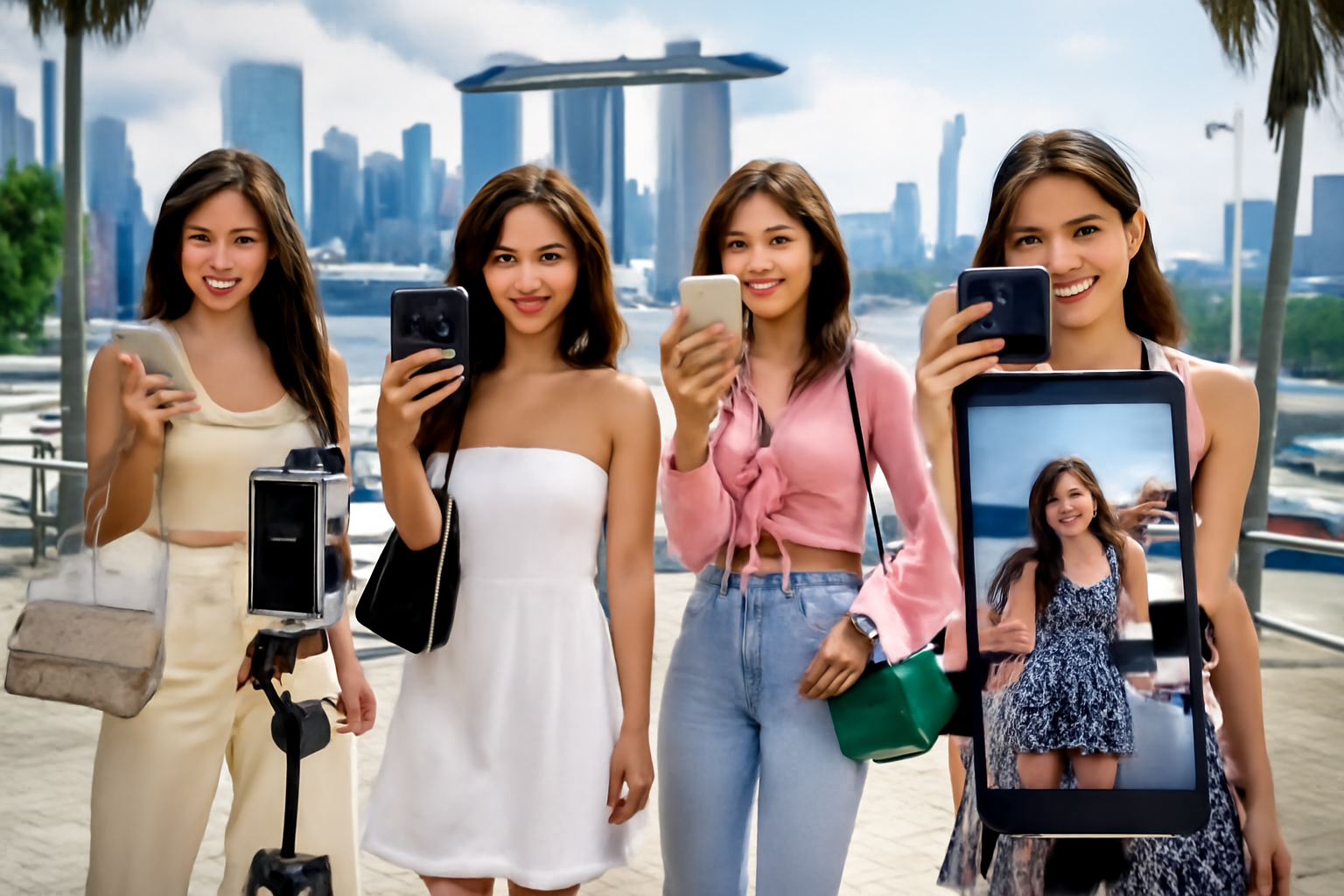
One of the primary ways social media impacts fashion trends in Singapore is through the rapid spread of new styles. Fashion influencers and bloggers in Singapore have taken advantage of platforms like Instagram, YouTube, and TikTok to showcase their personal style and to experiment with different looks. These influencers have a unique ability to influence their followers, who often look to them for inspiration. As a result, when an influencer shares a new look, it can quickly spread, with followers replicating the outfit or style and incorporating it into their own wardrobe.
Instagram, in particular, is a visual platform that allows users to share curated images of their daily lives. For fashion brands in Singapore, Instagram provides an ideal way to engage with their audience. Fashion brands leverage hashtags, collaborations with local influencers, and user-generated content to reach potential customers. By aligning themselves with popular influencers or trends, these brands can successfully market their collections to a wider, more diverse audience. Local fashion designers and brands have also used Instagram to showcase their creations to an international audience, bringing greater attention to Singapore’s local fashion scene.
Moreover, TikTok has gained significant popularity in recent years and is another platform shaping fashion trends. The fast-paced nature of TikTok, combined with its algorithm, allows for trends to be disseminated rapidly across a wide demographic. Fashion challenges, style hauls, and “get ready with me” videos have all contributed to the spread of trending styles in Singapore. These short-form videos enable creators to share fashion tips, provide styling inspiration, and promote brands in an engaging way. Trends that begin on TikTok can quickly make their way to real-world stores, as brands rush to adapt their offerings to match what’s trending.
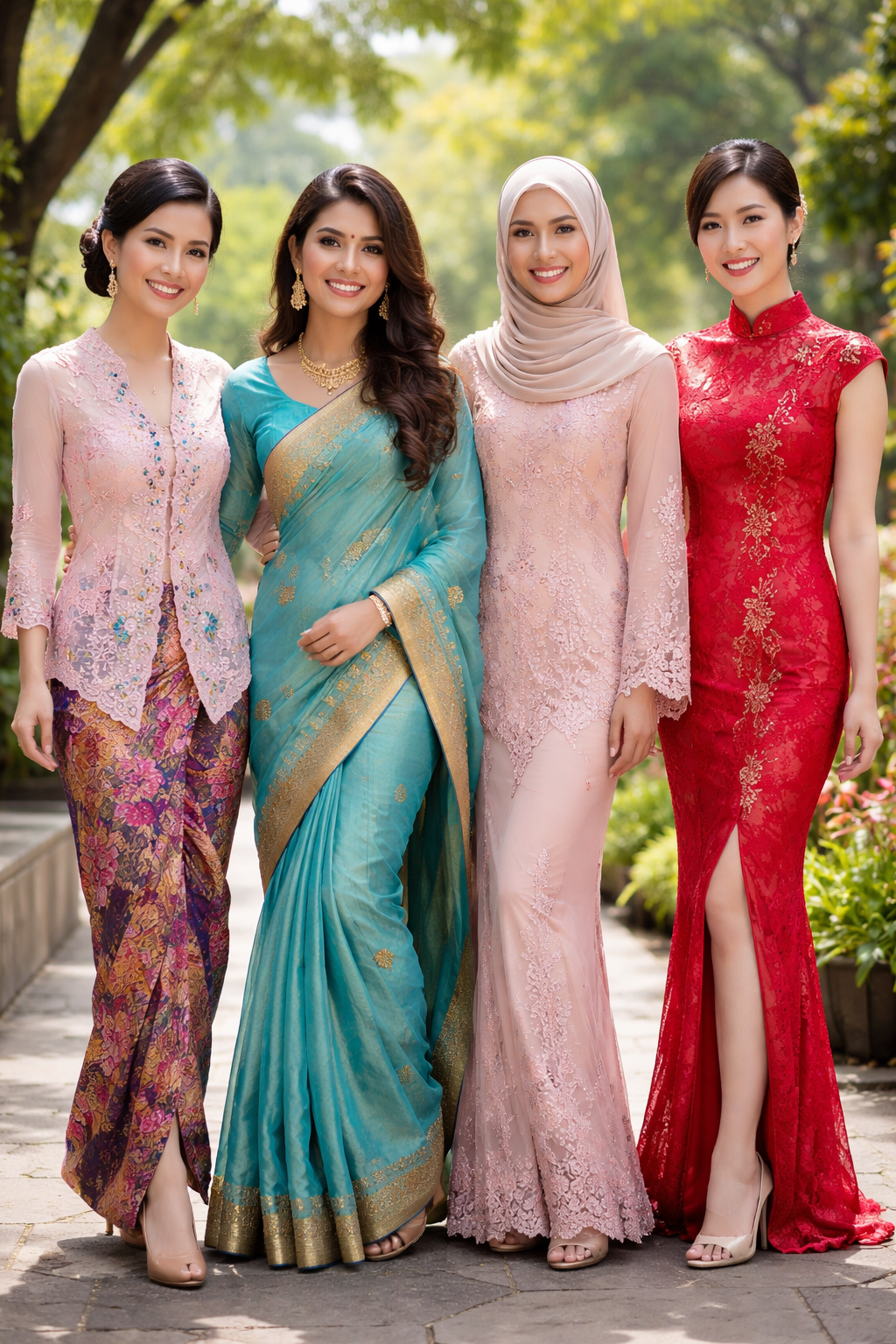
Additionally, social media provides a platform for a more inclusive fashion industry in Singapore. It allows individuals from diverse backgrounds, body types, and fashion tastes to share their perspectives, leading to greater representation. Influencers and consumers no longer have to fit into a narrow beauty ideal or body type; instead, they can showcase a wide range of styles, from high-fashion to streetwear, helping to normalize diversity in fashion. Social media gives marginalized voices a platform to promote inclusivity and challenge traditional beauty standards in the industry.
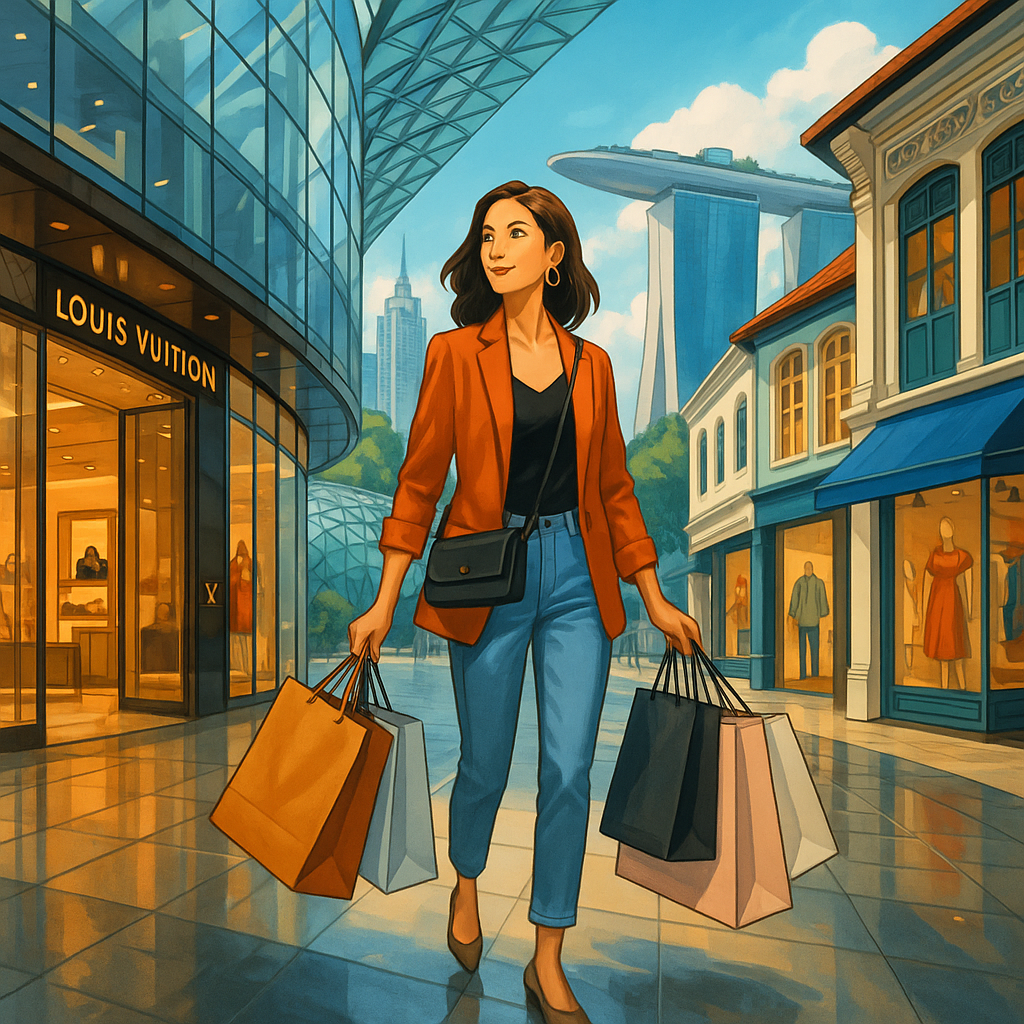
Furthermore, the rise of e-commerce, heavily driven by social media marketing, has transformed the way consumers in Singapore shop for fashion. With links to online stores embedded in posts, stories, and video content, social media has become a direct sales channel. This convenience of shopping directly from platforms like Instagram and Facebook has further reinforced the impact of social media on the fashion industry. Consumers can purchase the latest trends almost instantly after seeing them on their favorite influencers or fashion pages.
Social media’s role in fashion also extends to the way consumers engage with sustainable fashion in Singapore. As awareness of environmental issues rises, many influencers and fashion brands have started promoting sustainable fashion choices. Social media has become a powerful tool for educating consumers about sustainable alternatives, from second-hand shopping to eco-friendly materials, thus creating a shift in consumer behavior. Influencers actively use their platforms to advocate for ethical fashion practices, which encourages the local community to embrace more sustainable fashion choices.
Ultimately, social media has become an essential driver of fashion trends in Singapore. It connects consumers with brands, designers, and influencers, while also offering a space for fashion enthusiasts to explore new ideas and experiment with their personal style. The rapid speed at which trends spread, coupled with the platform’s ability to engage diverse audiences, has made social media an indispensable part of the fashion landscape in Singapore.