
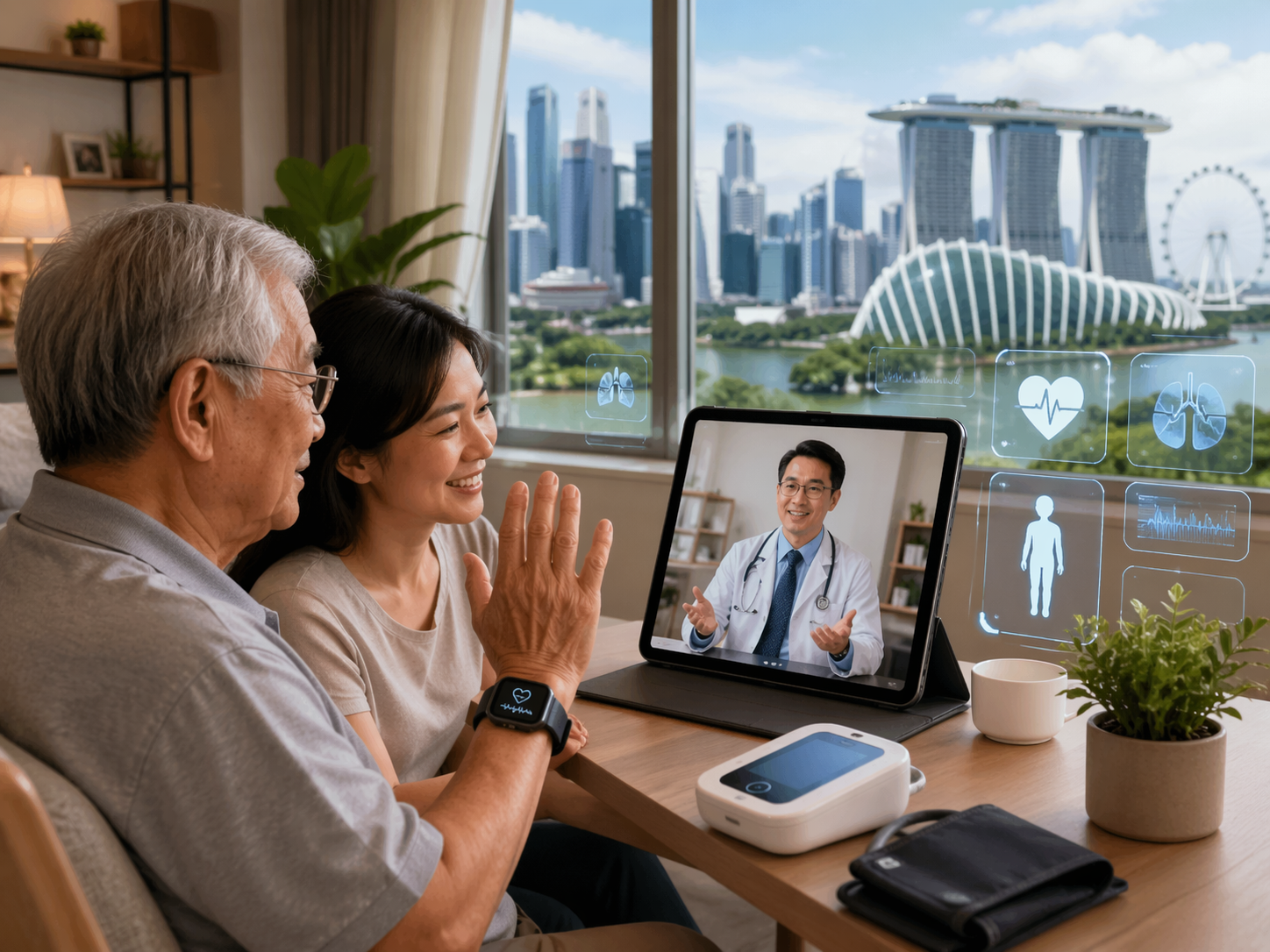
Telemedicine has rapidly become an integral part of healthcare in Singapore, revolutionizing the way patients access medical services. As technology continues to advance, the demand for digital health solutions has surged, especially in a highly urbanized and tech-savvy nation like Singapore. This transformation is not just about making healthcare more accessible but also ensuring that it is efficient, cost-effective, and sustainable.
In Singapore, telemedicine involves the use of digital platforms to provide medical consultations remotely. Through video calls, secure messaging, and mobile apps, patients can now consult with healthcare professionals without the need to visit a clinic in person. This is particularly beneficial for individuals with busy schedules, the elderly, and those living in remote areas where medical facilities are sparse.
The Singaporean government has been proactive in supporting telemedicine initiatives, recognizing its potential to improve healthcare outcomes and reduce the burden on physical healthcare infrastructure. One of the key drivers of telemedicine adoption is the aging population in Singapore. With a significant portion of the population being elderly, there is an increased need for healthcare solutions that cater to their needs while reducing the strain on hospitals and clinics.
Telemedicine also plays a crucial role in managing chronic diseases such as diabetes, hypertension, and cardiovascular diseases. Through continuous remote monitoring and virtual consultations, healthcare providers can track a patient’s condition in real-time and adjust treatment plans accordingly. This level of personalized care enhances patient outcomes and prevents hospital readmissions.
Furthermore, Singapore’s commitment to building a Smart Nation has accelerated the integration of digital health technologies. The country’s robust digital infrastructure, including high-speed internet and widespread smartphone usage, has made it possible for telemedicine to thrive. Singapore’s healthcare system has embraced innovations such as telehealth consultations, remote patient monitoring, and digital prescriptions, all of which contribute to enhancing the overall healthcare experience for patients.
As Singapore continues to embrace telemedicine, the future of healthcare seems poised to become increasingly digital. The ability to deliver quality healthcare services remotely not only improves convenience for patients but also helps reduce healthcare costs and improve efficiency within the healthcare system.