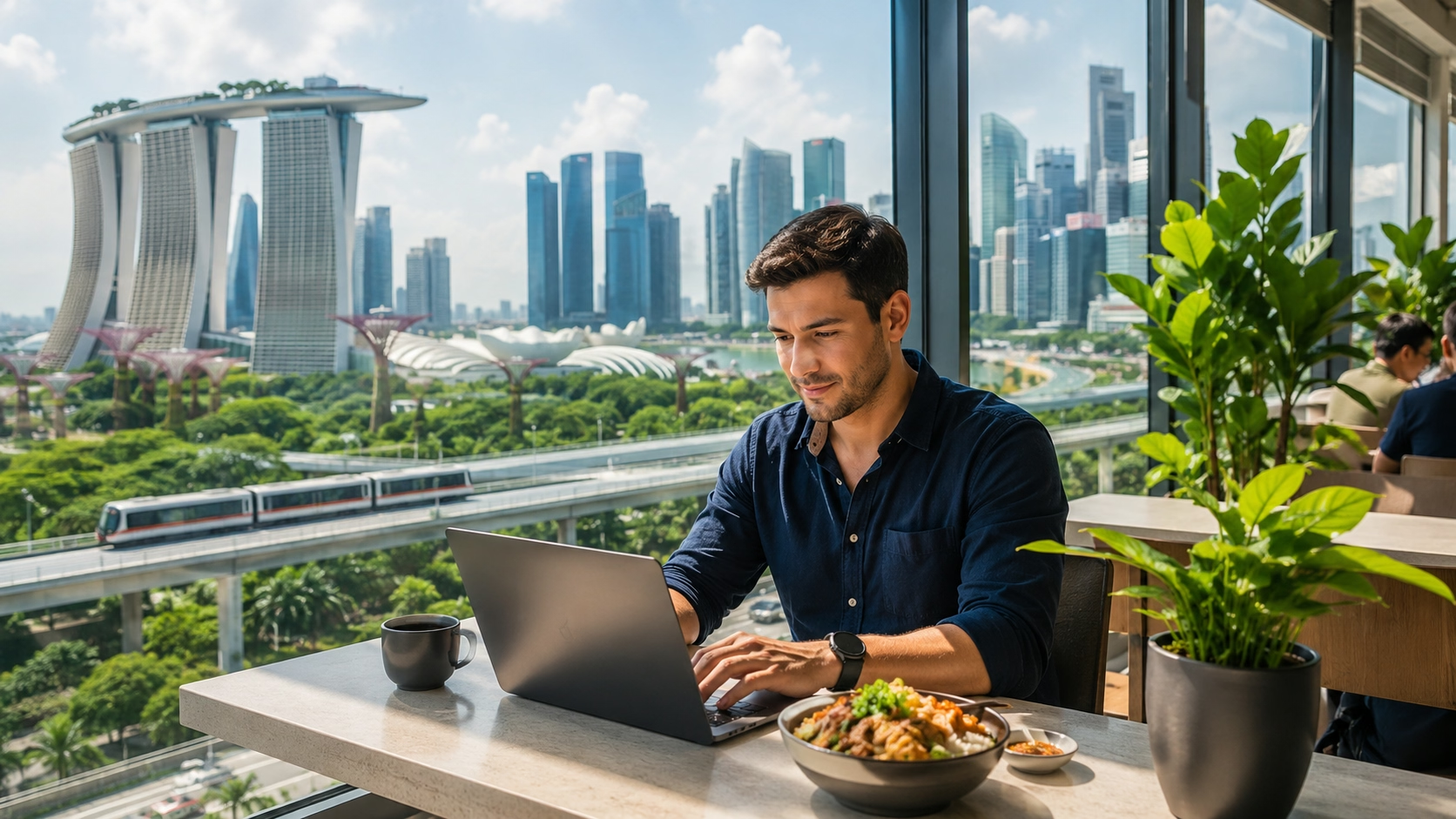
Singapore has quietly transformed from a layover city into one of Asia’s most dependable bases for remote work. The appeal is not just the skyline; it is the infrastructure, safety, and ease of moving between a high-speed desk and a hawker centre. In 2026, digital nomads looking for a city that treats connectivity as a public utility will find Singapore difficult to beat.
Why Singapore’s Digital Backbone Wins for Remote Work
5G That Actually Covers the City
Instead of relying on spotty cafe Wi-Fi, remote workers can tap into Singapore’s standalone 5G network. According to the Infocomm Media Development Authority, outdoor 5G coverage has exceeded 95 percent, meaning video calls stay stable in parks, on buses, and inside shopping malls. The Smart Nation Singapore portal explains how the government continues to roll out digital services, from seamless mobile payments to public sector APIs. For a digital nomad, this level of connectivity removes the usual friction of finding a reliable connection.
Wireless@SG and Public Wi-Fi
Beyond mobile data, Singapore maintains Wireless@SG, a free public Wi-Fi network available in many public spaces, including libraries, community centres, and MRT stations. Once you register with a local or foreign mobile number, you can hop between hotspots without constantly asking for passwords. This is especially useful when you need to download large files or join a video call while walking through the city.
Co-Working Spaces That Function as Offices, Not Gimmicks
One-North and Tanjong Pagar as Base Camps
In one-north, spaces like JustCo at The Metropolis and WeWork at 71 Robinson Road offer ergonomic chairs, call booths, and 24/7 access. A hot desk typically costs S$25–S$60 per day, while monthly dedicated desks range from S$500–S$900 depending on location and membership perks. Many venues include meeting room credits, which is useful when you need a professional setting for client calls or interviews.
A Real Current Case: The Workation Package Boom
Following a strong post-pandemic rebound, Singapore hotels and serviced apartments have expanded workation packages. Properties such as lyf one-north and Oasia Hotel Downtown now market day-use rooms with ergonomic workstations, high-speed broadband, and access to co-working lounges. This shift reflects a broader tourism strategy: Singapore no longer wants visitors to choose between working and exploring.
Planning Your Digital Nomad Stay in Singapore
Entering Singapore is generally straightforward for many nationalities, with short-term visa-free arrangements allowing business meetings and remote work for foreign employers. Local employment, however, requires a work pass. Before booking, check the Immigration and Checkpoints Authority for the latest entry rules. Budget at least S$150–S$250 per day for a comfortable one-month stay, including co-working, food, and transport. Pick a neighbourhood near an MRT station—Tiong Bahru, Bugis, and one-north are popular choices. From 5G coverage to hawker lunches, the city is ready for remote workers who want fewer logistics headaches and more productive hours.