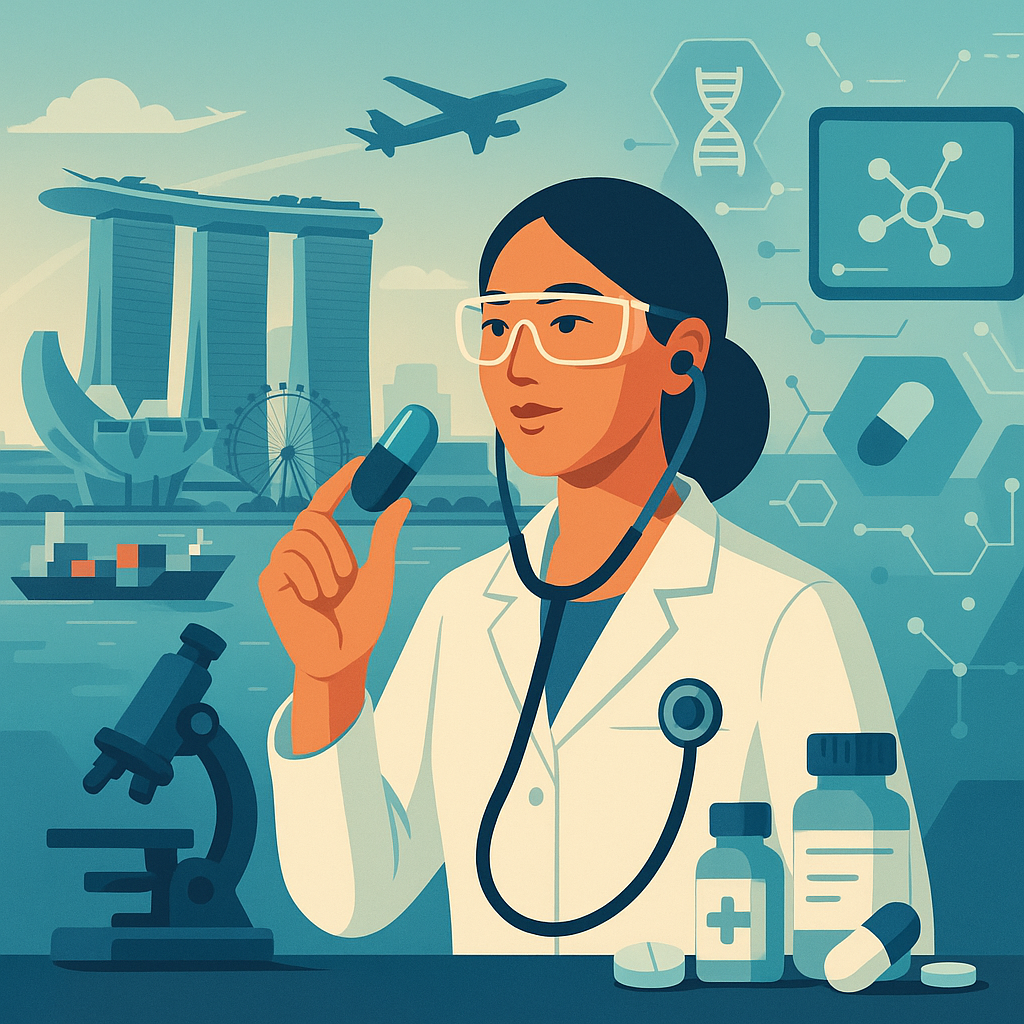
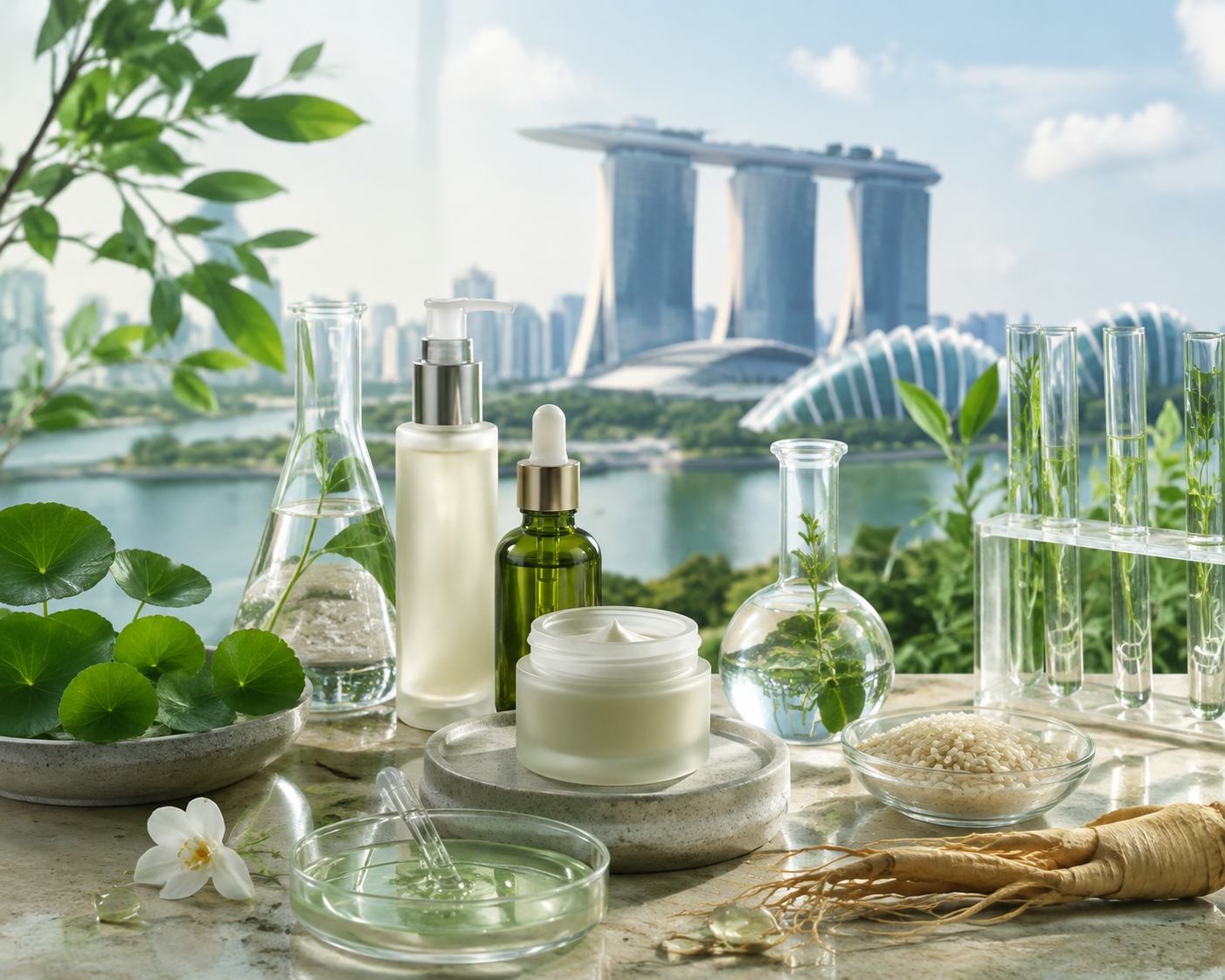
The landscape of body care in Singapore is undergoing a radical transformation. No longer confined to mere relaxation and aesthetic treatments, the industry is pivoting towards a more scientific and data-driven approach known as “biohacking.” This modern phenomenon is seeing high-net-worth individuals and busy professionals flock to longevity centres that promise not just to rejuvenate the skin, but to optimize the entire biological system.
The Shift from Pampering to Performance
Historically, Singapore’s wellness sector was dominated by luxury spas offering massages and facials. While these remain popular, there is a rising demand for tangible, measurable results. Consumers today are looking for therapies that can reduce inflammation, enhance cognitive function, and slow down the aging process at a cellular level.
This has led to the proliferation of clinics offering IV vitamin drips, NAD+ therapy, and hyperbaric oxygen chambers. These treatments, once reserved for elite athletes or medical patients, are now marketed as essential maintenance for the high-stress urbanite. The focus has shifted from “feeling good” to “functioning optimally.”
Hyper-Personalization Through Biomarker Testing
A key driver of this trend is the accessibility of advanced diagnostic testing. Instead of generic treatment plans, leading wellness centres in the Central Business District (CBD) now require comprehensive blood panels, genetic testing, and gut microbiome analysis before prescribing a care regimen.
This hyper-personalized approach ensures that the body care therapies are tailored to the individual’s specific deficiencies. For example, if a client’s data reveals high cortisol levels, their protocol might emphasize adaptogenic supplements and lymphatic drainage rather than standard deep tissue massage. This integration of medical technology into the beauty sphere is creating a new sub-sector often referred to as “medical wellness.”
Cryotherapy and Contrast Therapy
Recovery is a major pillar of this modern movement. Cryotherapy chambers, which expose the body to sub-zero temperatures for short bursts, have gained traction for their alleged ability to reduce muscle soreness and boost metabolism. Similarly, contrast therapy—alternating between hot saunas and cold plunges—is becoming a staple in high-end fitness and wellness clubs.
Singaporeans are increasingly viewing these recovery tools as preventative healthcare. The logic is simple: by managing inflammation and stress hormones now, they can avoid chronic illness and the visible signs of aging later.
The economic implications are significant. According to the most recent data on the wellness economy, Singapore is solidifying its position as a hub for high-end wellness tourism in Southeast Asia. Travelers from neighboring countries are increasingly visiting the city-state specifically to access these advanced, scientifically-backed body treatments that may not be readily available in their home markets. For further insights into the economic impact of this shift, the 2026 Global Wellness Institute Report on the Asia-Pacific market provides extensive data on how Singapore is outpacing regional competitors in the “wellness real estate” and “personal care” segments.
Tech-Integrated Recovery
The modern Singaporean consumer is also tech-savvy, driving demand for devices that bridge the gap between clinic visits. Wearable technology that tracks sleep quality and heart rate variability (HRV) is now being integrated into wellness memberships. Coaches and therapists use this data to adjust treatments in real-time, creating a feedback loop that ensures the body is recovering effectively between sessions.