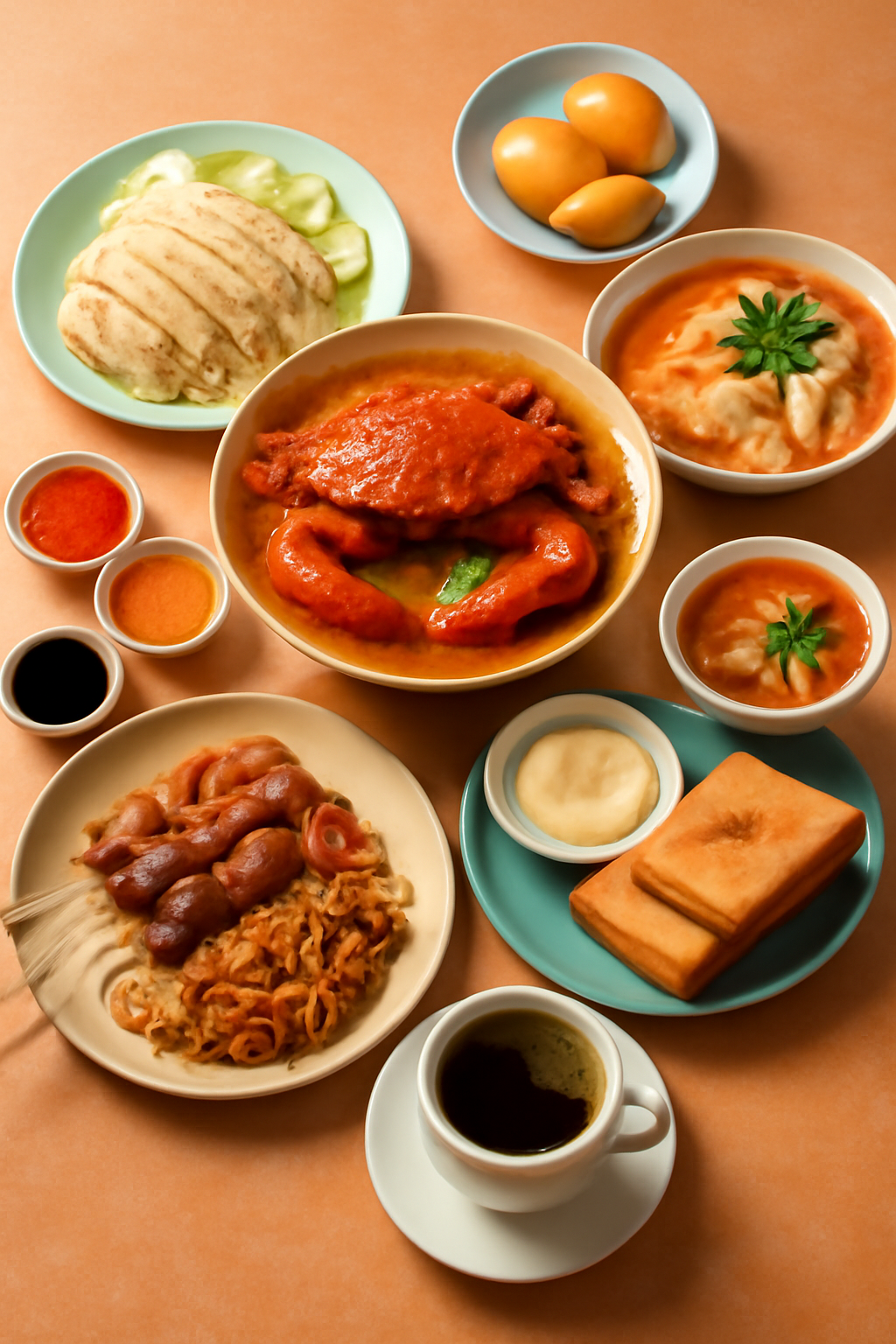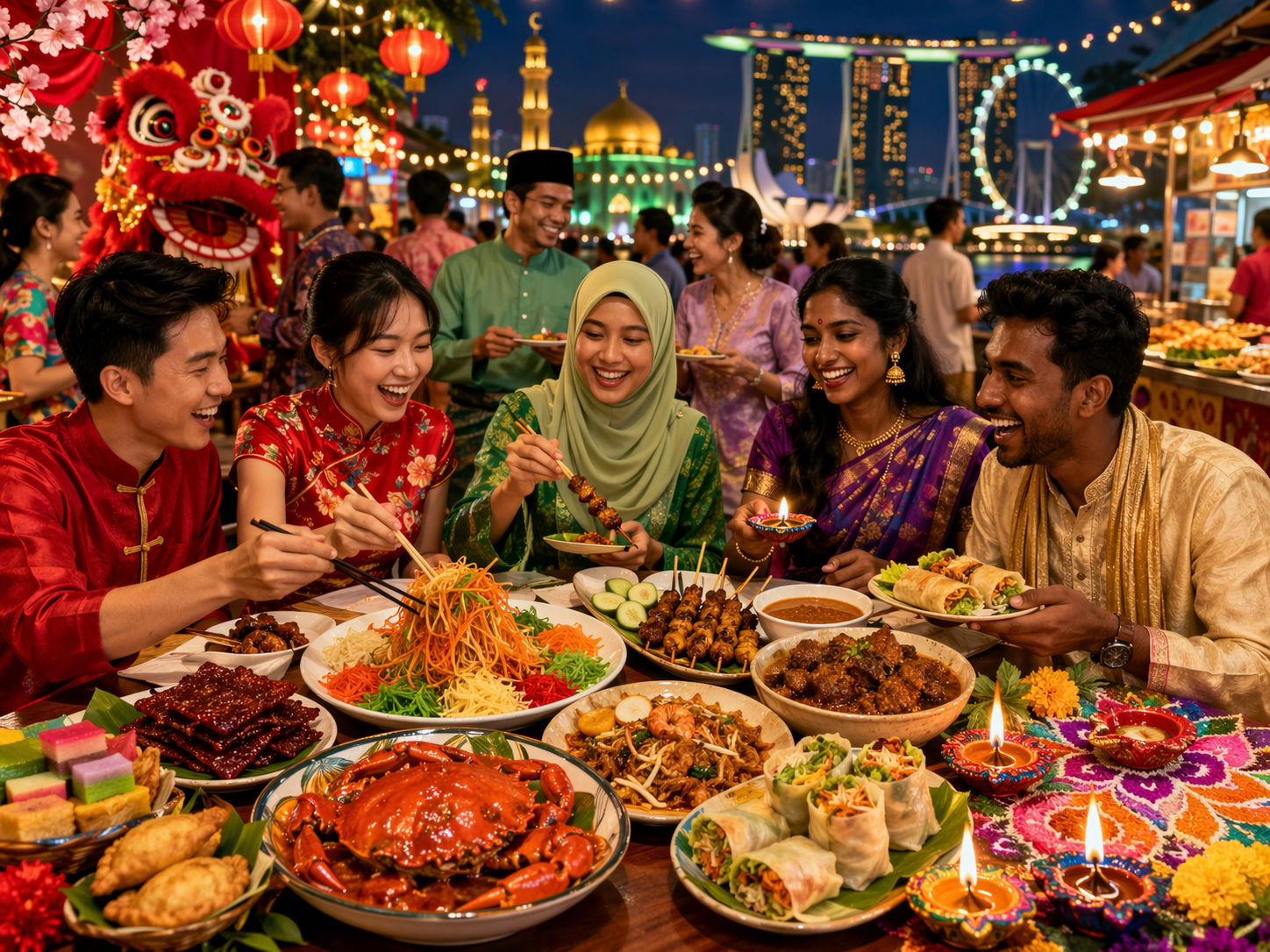

Singapore is often praised for its efficient transport and modern skyline, but for many visitors and residents, the real highlight is the food. For Muslims, one common question is whether it’s easy to find halal food across the city. The good news: Singapore has a well-developed halal ecosystem that serves people from all walks of life, from students on a tight budget to business travelers seeking refined dining.
The backbone of Singapore’s halal system is the certification provided by MUIS (Islamic Religious Council of Singapore). Restaurants and food manufacturers that meet Islamic dietary requirements can apply for MUIS Halal Certification. Certified outlets usually display a green logo with the words “MUIS Halal” prominently near the entrance or counter. This standardization gives diners confidence that ingredients, preparation methods, and supply chains comply with Islamic guidelines.
One of the most affordable and authentic ways to explore halal food in Singapore is through hawker centres. In places such as Geylang Serai Market, Kampong Glam, Bedok, and Tampines, you’ll find stalls selling nasi padang, ayam penyet, briyani, roti prata, and more. Prices are generally friendly for workers, students, and families, often ranging from low-cost breakfast dishes to hearty lunches under SGD 10. The communal seating also makes it easy for people of different backgrounds to share a table and a conversation.
Beyond hawker centres, mid-range halal restaurants cater to everyday dining and casual meet-ups. In malls like Bugis Junction, VivoCity, or Tampines Mall, it’s common to find halal-certified chains serving burgers, fried chicken, Japanese-style ramen, Korean-inspired dishes, or Western grills. These venues tend to attract mixed groups of Muslims and non-Muslims, reinforcing the idea that halal food is not only for a specific community but part of mainstream dining in Singapore.
For special occasions, the city also offers upscale halal-certified venues. Certain hotel restaurants, especially in central areas like Marina Bay and Orchard Road, provide halal buffets or private event menus suitable for weddings, corporate gatherings, and family celebrations. These places often blend international flavors—Mediterranean, Middle Eastern, contemporary Asian—while maintaining strict standards for halal ingredients and kitchen processes.
Neighborhoods with strong Muslim heritage, such as Kampong Glam, offer a unique atmosphere. Here, you can walk from the Sultan Mosque to nearby streets lined with Middle Eastern eateries, Turkish grills, Indonesian warungs, and trendy halal cafés. Some spots specialize in fusion dishes—think pandan pancakes, salted egg pasta, and imaginative mocktails—designed to appeal to younger diners while still respecting religious requirements.
For visitors, a few simple tips make halal dining even easier. Look for the MUIS halal logo rather than relying only on signage that says “Muslim-owned.” When in doubt, ask staff directly about certification and preparation. Many locals also use mobile apps and online directories that list halal-certified outlets by location and cuisine. With a bit of awareness, navigating Singapore’s halal food landscape becomes straightforward, enjoyable, and accessible for all segments of society.
Article 2 – Halal Dining as a Mirror of Singapore’s Multicultural Society
Singapore’s culinary scene is a reflection of its multicultural population, and halal food sits right at the heart of this diversity. Far from being a niche category, halal-certified eateries can be found in nearly every corner of the island, serving both Muslim and non-Muslim patrons. This inclusiveness makes the city a comfortable place for Muslim residents and visitors, regardless of their financial background or culinary preferences.
The city’s halal landscape begins with traditional Malay cuisine. At Malay food stalls and restaurants, diners can enjoy dishes like nasi lemak, lontong, satay, and sambal-laced seafood. These outlets often operate in hawker centres and neighborhood coffee shops, ensuring that workers, taxi drivers, and families can access filling meals at reasonable prices. For many locals, these dishes evoke a sense of home and nostalgia, while for tourists, they offer a window into Malay heritage.
Indian Muslim food contributes another important layer to Singapore’s halal offerings. In Little India and various residential estates, you’ll find biryani, murtabak, roti prata, and rich curries that are both halal and deeply rooted in South Asian culinary traditions. Eaten by people across ethnic and religious lines, these dishes show how halal cuisine in Singapore is not limited to one community but shared widely by society at large.
Over the years, the demand for varied halal options has encouraged restaurateurs to expand beyond traditional fare. Today, the city hosts halal-certified Japanese sushi bars, Korean fried chicken joints, Italian pizzerias, and Western-style steakhouses. Many of these establishments are located in shopping malls and business districts, making them accessible to office workers, students, and tourists. This variety allows Muslim diners to enjoy the same global food trends as everyone else, without compromising their religious principles.
Ensuring standards are met, MUIS provides official halal certification that covers ingredients, preparation, storage, and supply chains. Certified outlets display the MUIS halal logo, giving assurance that the entire process adheres to Islamic requirements. This system is especially helpful in a busy urban environment, where diners may not have time to investigate each restaurant’s practices. Mobile apps and websites listing certified venues have further simplified the search for halal food, especially for newcomers.
Halal food in Singapore also plays a role in social cohesion. Because halal-certified restaurants are often designed to appeal to a wide audience, they create spaces where different communities can dine together comfortably. A mixed group of friends can meet at a halal café for brunch, an after-work meal, or a birthday celebration without leaving anyone out. In this way, halal dining supports the idea that shared meals strengthen relationships across cultural and religious lines.
Whether you are a backpacker counting every dollar, a family seeking dependable neighborhood options, or a business traveler entertaining clients, Singapore’s halal dining scene has something to offer. The combination of affordability, variety, and clear certification makes the city an inviting destination for anyone who values both taste and religious observance.