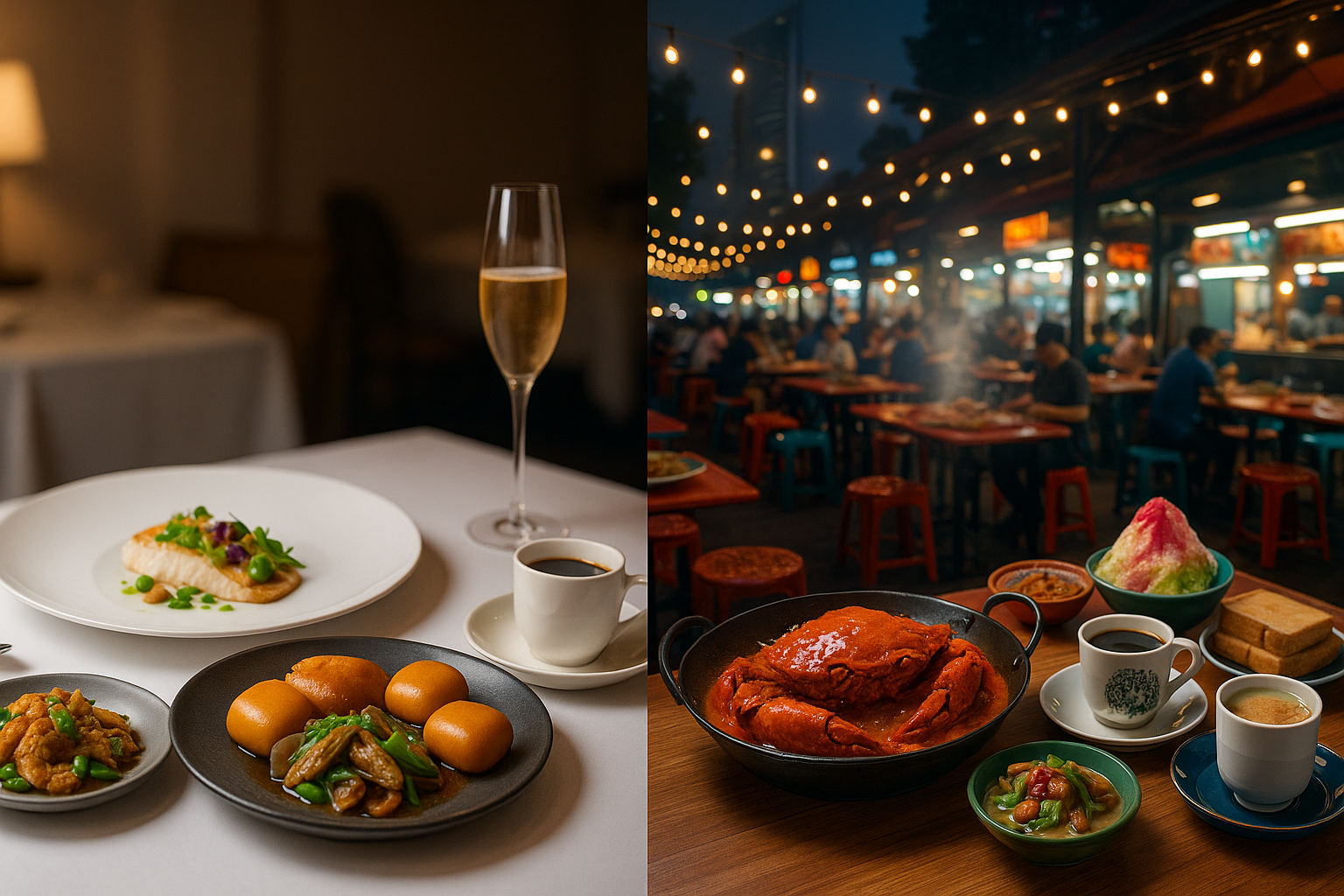
Singapore’s culinary identity is a thrilling spectrum, where multi-course tasting menus sit comfortably alongside sizzling woks and smoky satay skewers. To explore the city’s best, start by embracing this dual personality: the high-art finesse of fine dining and the soulful heartbeat of local hawker flavors.
Among the restaurants that consistently turn heads, a few set the tone for craftsmanship. Odette reimagines modern French with pristine produce and elegant restraint in a gallery-like space. Les Amis is a stalwart of polished classicism, renowned for a deep wine program and a sense of occasion. Burnt Ends has raised the bar for wood-fired cooking; the counter seating lets you watch chefs dance with flames while dishes like grilled king crab or a perfect steak showcase smoke as a seasoning. For tasting menus that speak in a Singaporean accent, Labyrinth channels local farms and familiar flavors—think laksa leaf, pandan, buah keluak—through contemporary technique. Candlenut remains a reference point for Peranakan cuisine, translating heritage recipes with rare clarity.
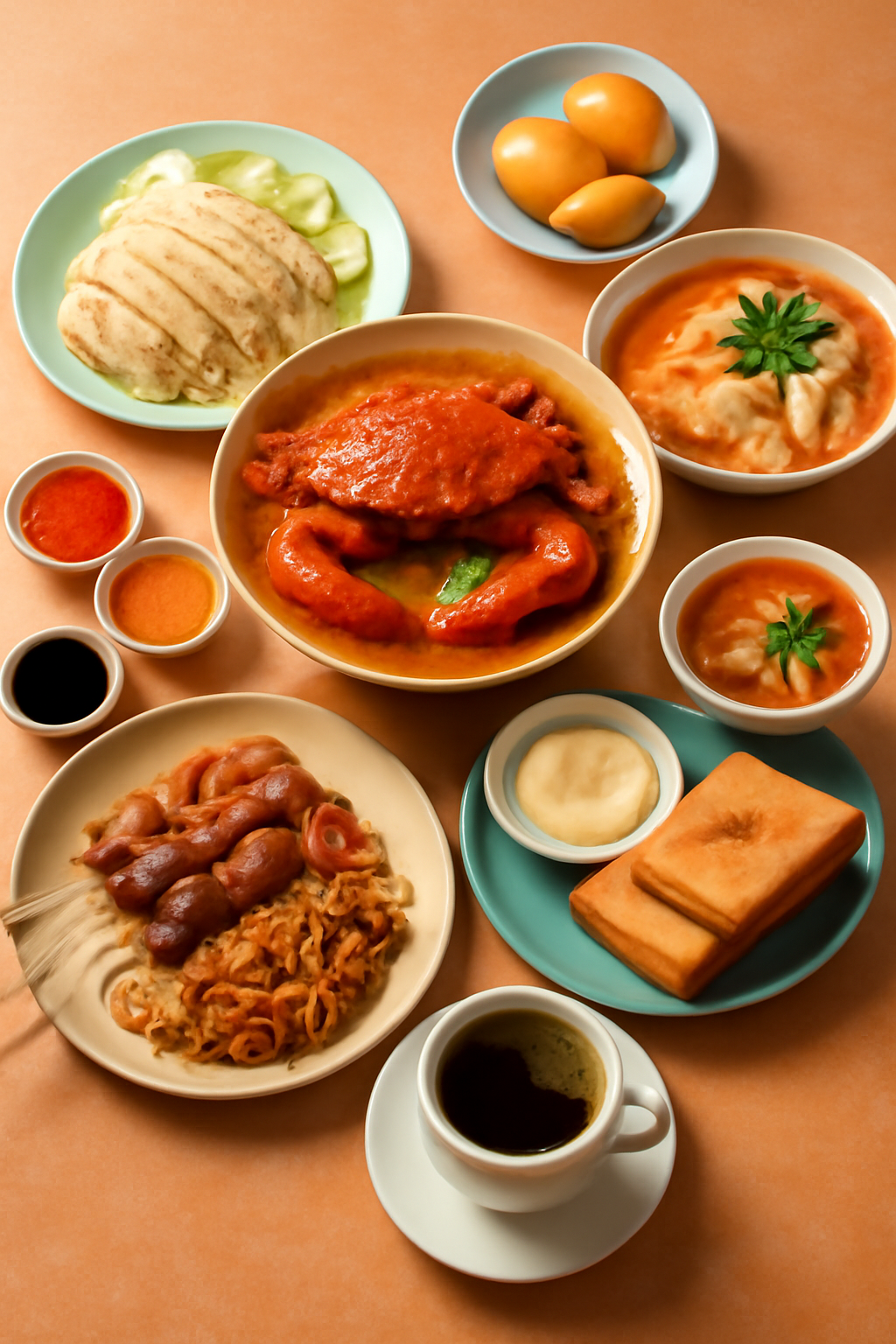
Of course, you cannot talk about the best without seafood. Chili and black pepper crab exemplify Singapore’s love affair with crustaceans. Iconic groups like Jumbo and Long Beach have helped define the category; bring a bib, a stack of napkins, and a readiness to lick sauce off your fingers. Balance that indulgence with bak kut teh, a peppery pork rib soup that wakes the senses—Song Fa is a popular starting point. For the city’s unofficial national dish, Hainanese chicken rice, devotee queues form at Tian Tian in Maxwell Food Centre; you’ll want extra chili sauce.
Hawker centers are the city’s democratic dining rooms. Maxwell Food Centre, Lau Pa Sat (which becomes a satay street at night), Old Airport Road, and Amoy Street Food Centre are all rich with classics: char kway teow, Hokkien mee, roti prata, and nasi lemak. Seek out Hill Street Tai Hwa Pork Noodle for springy noodles with umami-rich sauce—proof that “best” often arrives in a plastic bowl.
Practicalities matter. Book fine-dining tables well in advance; tasting menus can run high, but lunch sets are often gentler on the wallet. Smart casual attire fits most upscale rooms. At hawker centers, “chope” your seat with a tissue packet, order first, and share tables if it’s busy. There’s typically a 10% service charge and GST at restaurants; tipping is not customary.
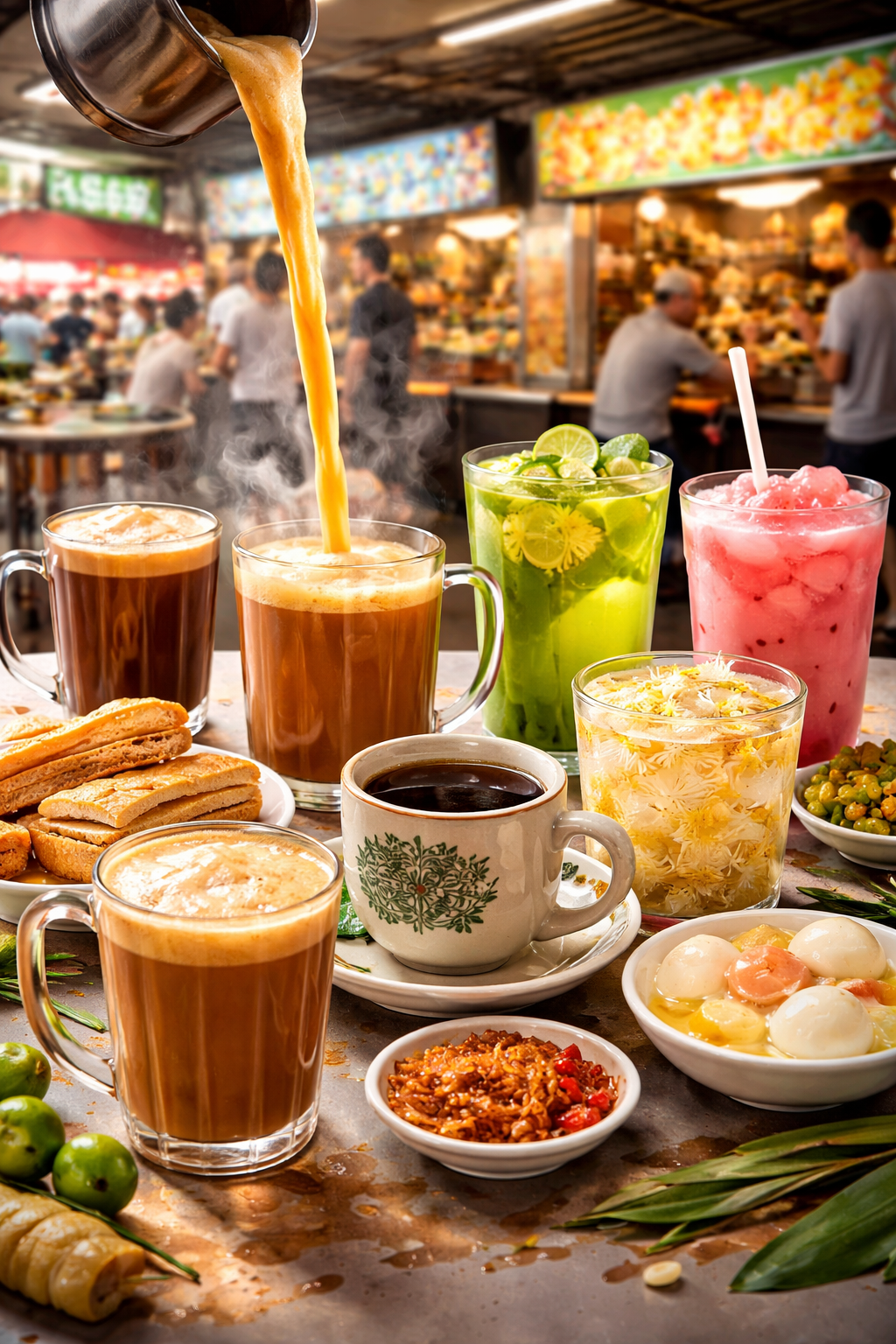
For drinks, learn the shorthand: kopi (coffee) and teh (tea) come with modifiers—kopi-O (black), kopi-C (with evaporated milk), kosong (no sugar). End sweet with kaya toast and soft-boiled eggs—Ya Kun and Killiney are time-tested cafes. When you stitch all this together—refined dining rooms, heritage recipes, open-air feasts—you get the real picture of Singapore at its most delicious: precision and comfort, side by side.