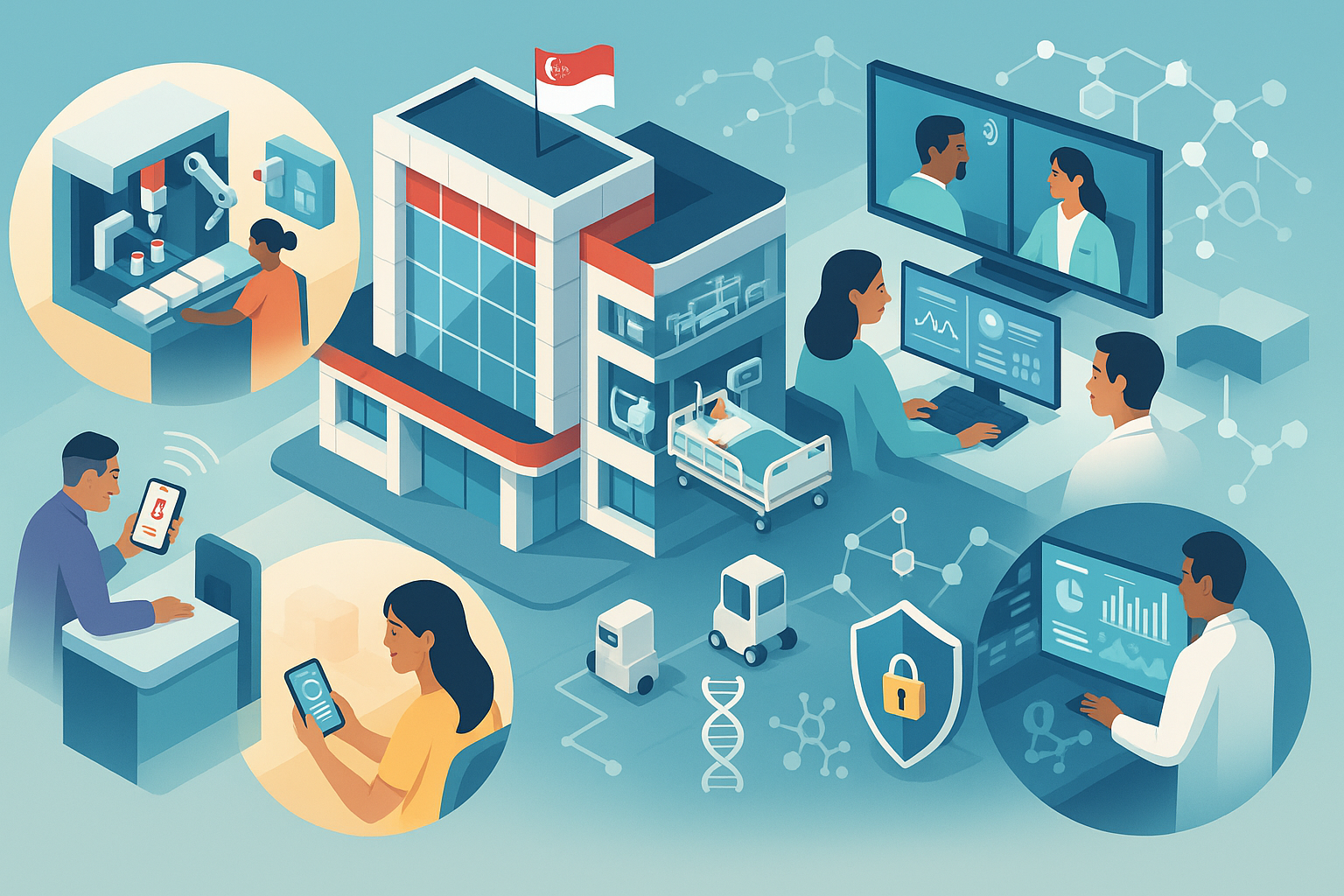
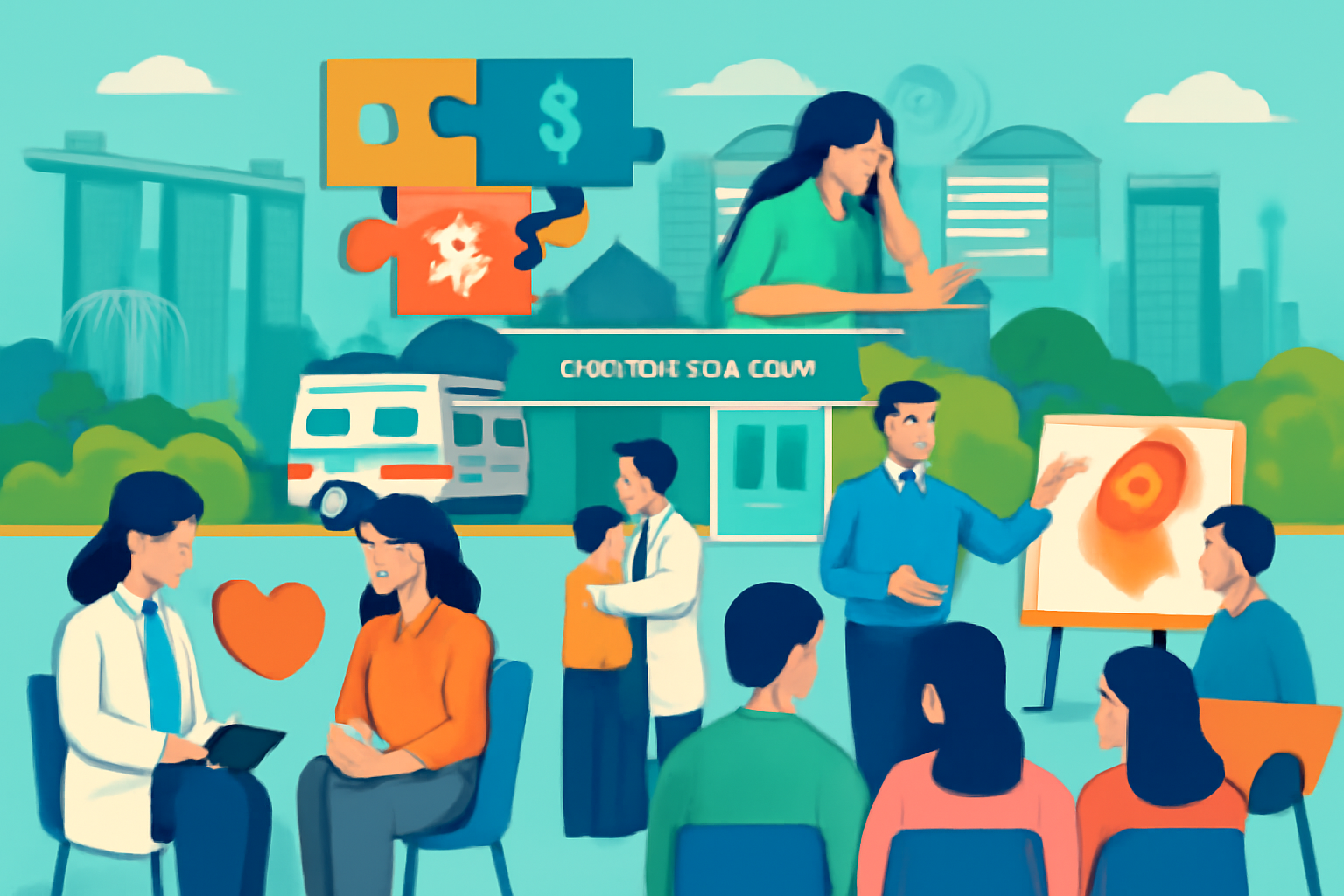
In recent years, Singapore has made notable strides in improving mental health care, but challenges remain in ensuring that every individual has access to the help they need. Mental health has long been a topic that people were reluctant to discuss openly, which has led to a lack of adequate support systems for those struggling with mental health issues. However, the landscape is slowly changing, thanks to increasing awareness and a concerted effort from the government and various organizations to enhance access to mental health services.
A crucial step toward improving mental health care in Singapore has been the efforts to make mental health services more widely accessible. Government initiatives, such as the National Mental Health Blueprint, have worked to reduce the stigma surrounding mental health by making discussions around mental well-being more normalized. The government has also increased funding for mental health services, which has helped establish more mental health facilities across the country.
Despite this progress, there are still significant barriers to accessing mental health care, especially for vulnerable groups. One of the main challenges is the high cost of mental health services. While government subsidies and insurance coverage are available, many individuals still find it difficult to afford private consultations, which may not be fully covered by their insurance plans. Furthermore, the shortage of mental health professionals, such as psychiatrists and psychologists, exacerbates the issue, leading to long waiting times for appointments.
Additionally, mental health services are not always easily accessible in certain neighborhoods, particularly for those living in rural or underserved areas. This can be problematic for individuals who face difficulty in commuting or who are not familiar with the services available to them. As a result, many people either go without care or do not seek help at all.
Another important aspect of improving mental health care is education and awareness. There is still a significant lack of understanding about mental health issues among the general public. This can result in individuals with mental health struggles feeling isolated, misunderstood, or even ashamed of their condition. Educating people about the importance of mental health, its impact on daily life, and the types of available support can go a long way in encouraging individuals to seek care early.
In response to this, community programs and initiatives, such as the Mental Health First Aid Singapore, have been launched to train individuals in recognizing mental health issues in others and knowing how to respond appropriately. These initiatives aim to break down the barriers that prevent people from talking about mental health and to build a more supportive environment where individuals feel safe seeking help.
Another significant step is the promotion of mental health in workplaces. The Singaporean government has encouraged businesses to implement mental health-friendly practices, such as offering counseling services and providing flexible working hours to reduce work-related stress. These efforts are crucial, as work-related issues are often a contributing factor to mental health problems, particularly among employees who may already be struggling with other personal issues.
In conclusion, while Singapore has made great strides in improving mental health care, there is still work to be done. Addressing the barriers related to cost, accessibility, and awareness is essential to ensuring that every Singaporean has access to the support they need. By continuing to promote open discussions, increasing mental health funding, and enhancing public understanding, Singapore can build a society where mental well-being is prioritized and supported at all levels.