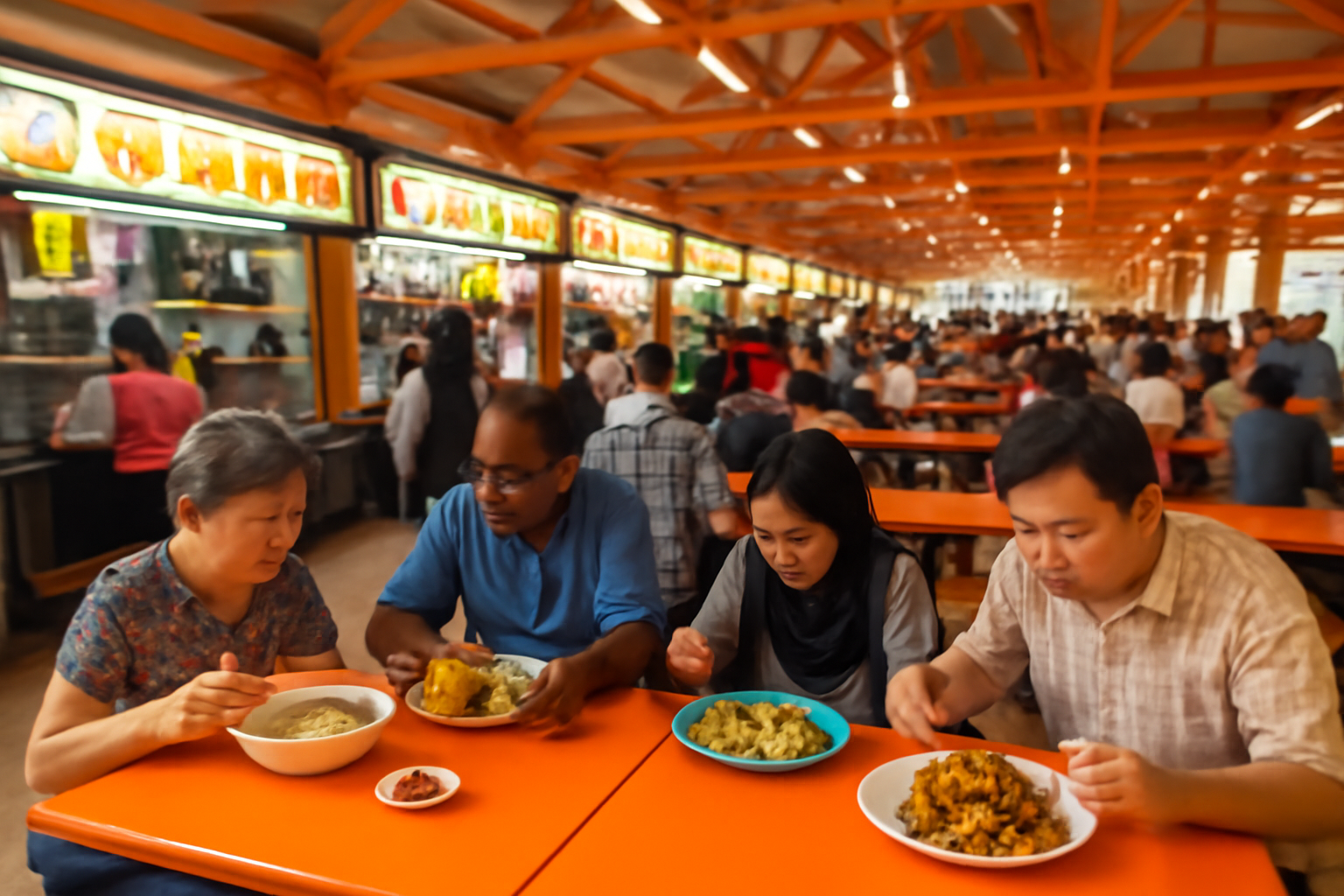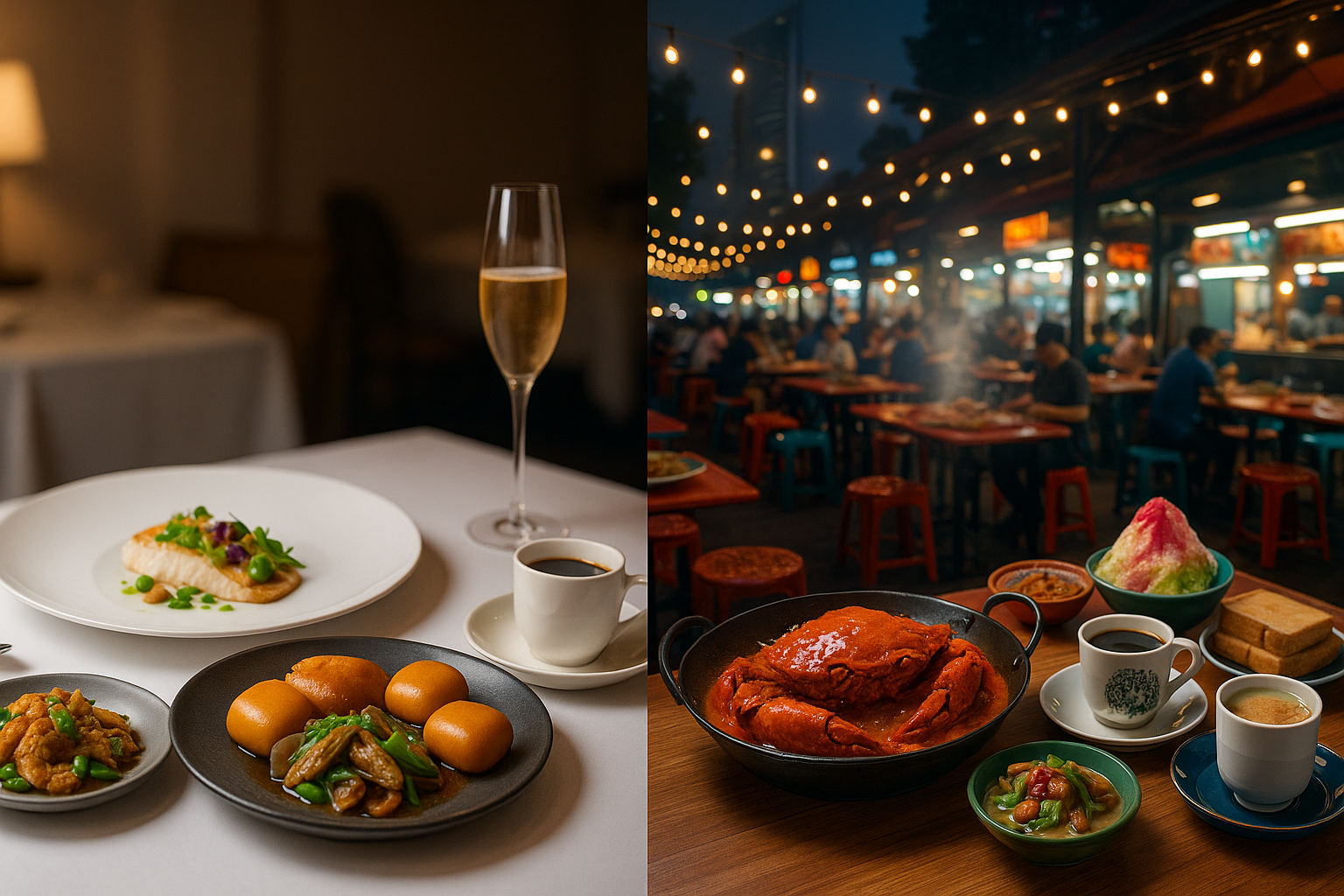

Singapore’s culinary landscape is renowned for its vibrant and diverse flavors, but one of the most unique and beloved cuisines is Peranakan food. Also known as Nyonya cuisine, Peranakan food is the result of a rich cultural blending between the local Malays and Chinese immigrants, specifically the descendants of Chinese settlers known as the Straits Chinese. Over centuries, the Malays and Chinese shared their ingredients, cooking techniques, and flavors, resulting in a distinct fusion that defines the region’s Peranakan cuisine.
The history of Peranakan cuisine dates back to the 15th and 16th centuries when Chinese traders, particularly from southern China, settled in the Malay Archipelago. Over time, these settlers intermarried with local Malays, giving birth to a new community known as the Peranakans or Straits Chinese. As this unique community grew, so did their culinary style, which combines traditional Chinese ingredients like soy sauce and spices with the fragrant, bold flavors typical of Malay cuisine, such as lemongrass, turmeric, and chilies.
At the heart of Peranakan cuisine is the use of fresh ingredients and aromatic spices. Dishes are often characterized by a balance of sweet, sour, salty, and spicy flavors, which come from a variety of sources including tamarind, coconut milk, and fermented shrimp paste. This blend of flavors is best seen in dishes like laksa, a spicy noodle soup that incorporates Chinese noodles with a Malay-inspired coconut-based broth, and ayam buah keluak, a rich chicken stew made with the distinctive buah keluak nut, known for its earthy and somewhat bitter taste.
Peranakan cuisine also boasts a wide array of snacks and desserts. One of the most iconic is kueh—small, colorful cakes and pastries that often contain ingredients like coconut, pandan, and sweet mung bean paste. Kueh lapis, a layered cake made of rice flour and coconut milk, is another well-loved example, symbolizing the complex layering of Malay and Chinese culinary traditions.
The flavors of Peranakan cuisine are further enriched by the cooking techniques employed. Stewing, braising, and frying are commonly used methods, allowing ingredients to absorb the full depth of the spices and seasonings. The skill in preparing these dishes lies in the precise blending of ingredients, creating harmonious flavors that are both bold and nuanced.
Today, Peranakan food is an essential part of Singapore’s food culture, celebrated not just in traditional homes but also in restaurants and food markets across the city. The cuisine has evolved and adapted to modern tastes while staying true to its roots, with many chefs seeking to preserve the authenticity of this culinary art form. For anyone visiting Singapore, trying Peranakan dishes is an absolute must, as it offers a taste of the island’s multicultural heritage through a delicious and flavorful lens.