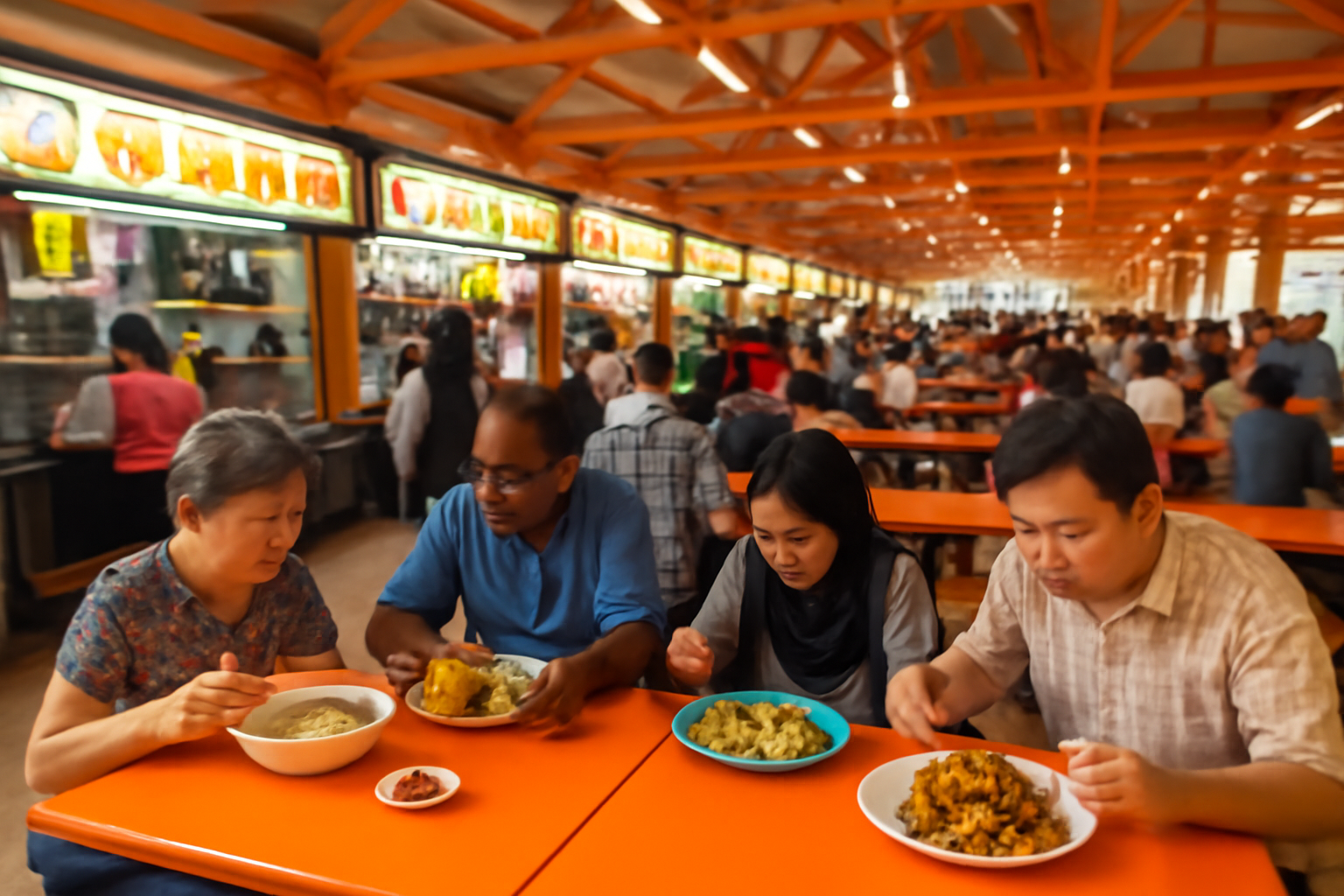

In recent years, Singapore has witnessed a significant shift in dietary preferences, with more individuals turning to vegan and vegetarian diets. This growing trend reflects not only a shift in food preferences but also an increasing awareness about the health benefits of plant-based diets and their positive impact on the environment. As a global city known for its diverse food culture, Singapore offers a variety of vegan and vegetarian options that cater to both locals and international visitors. But what exactly is driving this movement in the city-state?
One of the major catalysts for the rise of veganism and vegetarianism in Singapore is the increasing recognition of the health benefits associated with plant-based diets. Studies have shown that vegan and vegetarian diets can help prevent chronic diseases such as heart disease, hypertension, and diabetes, which are on the rise globally. Singaporeans are becoming more aware of the long-term health advantages of reducing animal product consumption and opting for nutrient-dense, plant-based foods like fruits, vegetables, grains, legumes, and plant-based proteins.
Additionally, the environmental impact of animal agriculture is another major factor driving the adoption of plant-based diets. Singapore, being a city-state with limited land and resources, is especially sensitive to sustainability issues. The production of plant-based foods has a significantly lower carbon footprint compared to meat production. Vegan and vegetarian diets require fewer natural resources such as water and land, and they generate less greenhouse gas emissions. As concerns about climate change and sustainability grow, more people are choosing plant-based diets as a way to reduce their ecological impact.
Singapore’s food scene has evolved to reflect this trend, with an increasing number of restaurants, cafes, and even hawker stalls offering vegan and vegetarian options. Local food vendors are reimagining traditional Singaporean dishes, such as laksa, nasi lemak, and satay, using plant-based ingredients. These innovative dishes cater to a variety of dietary preferences while maintaining the rich flavors that Singaporeans love. The city-state is also home to a growing number of plant-based supermarkets and stores that make it easier for consumers to access vegan and vegetarian products.
Another important factor contributing to the rise of veganism and vegetarianism in Singapore is the influence of the global wellness movement. As more people worldwide embrace plant-based lifestyles, this influence has trickled down to Singapore, where health-conscious individuals are increasingly seeking alternative food options that align with their values of sustainability and wellness. The rise of plant-based food bloggers, social media influencers, and nutrition experts has also helped raise awareness about the benefits of vegan and vegetarian diets, further fueling their popularity in the city.
Despite the growing popularity of veganism and vegetarianism, there are still some challenges to be addressed. One of the main obstacles is the perception that plant-based diets are expensive or inaccessible. However, many local vegan and vegetarian options are available at affordable prices, especially at hawker centers and food courts. As the demand for plant-based options continues to grow, it is expected that prices will become more competitive, making plant-based eating more accessible to everyone.
In conclusion, the vegan and vegetarian trends in Singapore are a response to the increasing awareness of health and environmental concerns. With a rich variety of plant-based food options, Singapore has become a hub for those looking to embrace a healthier, more sustainable lifestyle. Whether motivated by personal health or a desire to reduce their carbon footprint, more Singaporeans are adopting plant-based diets, making vegan and vegetarian eating an integral part of the city’s food culture.