
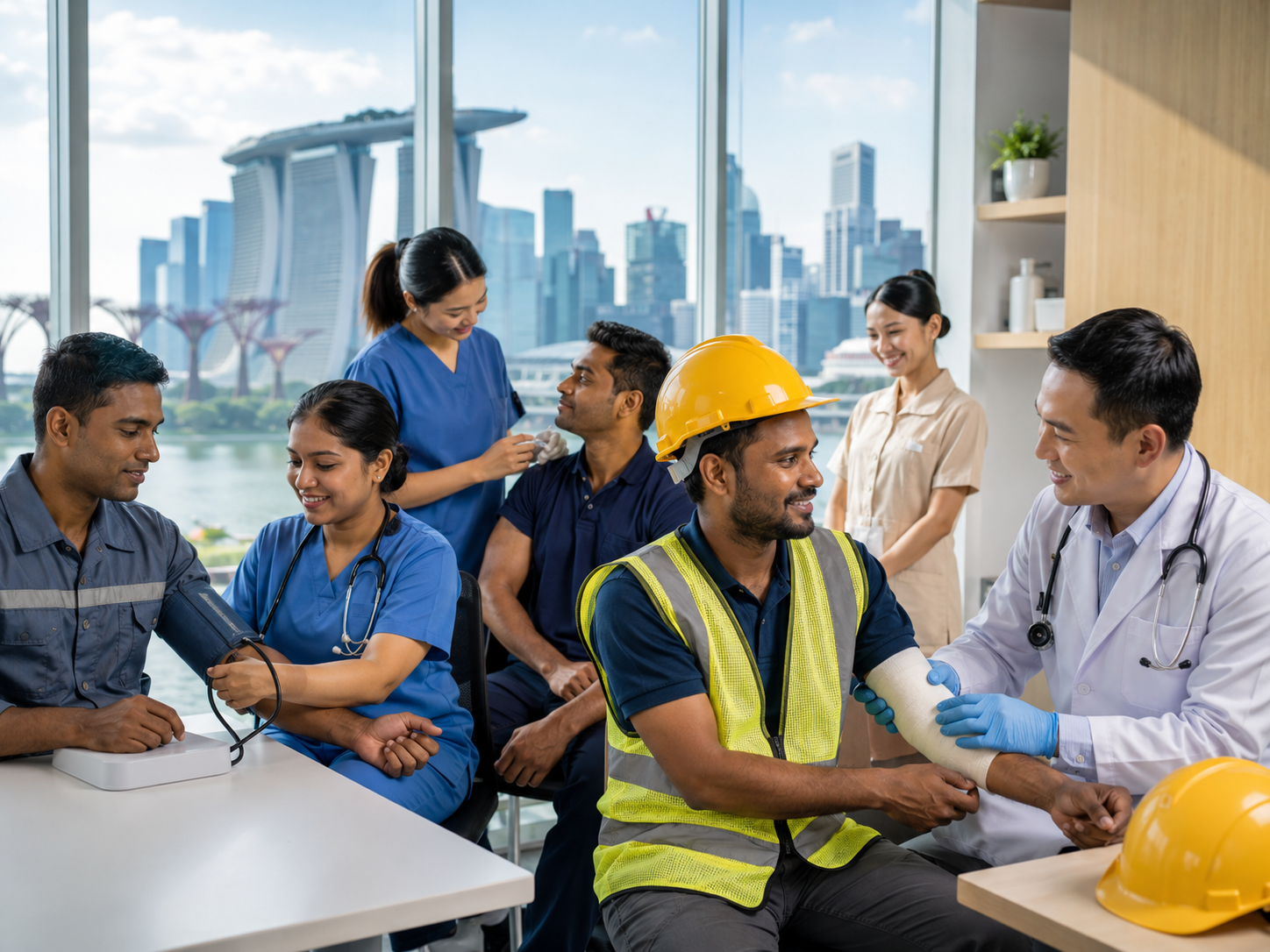
Singapore is known for its strong economy and the pivotal role played by migrant workers in shaping its workforce. The country depends on thousands of migrant workers who contribute significantly to various sectors such as construction, domestic work, and the service industry. With such a large population of foreign workers, it becomes crucial to ensure that these individuals receive proper healthcare services to maintain their well-being.
The Singaporean government provides a well-structured system of healthcare for migrant workers, emphasizing both accessibility and affordability. Under the Work Injury Compensation Act (WICA), migrant workers are entitled to healthcare compensation in case of work-related injuries, ensuring their physical safety on the job. Additionally, migrant workers are covered by basic health insurance, which is often provided by their employers. However, the extent of healthcare access can vary depending on the worker’s employment status and job nature.
Public health institutions like polyclinics and hospitals in Singapore offer subsidized healthcare services to migrant workers, though there are limitations to these subsidies. Many migrant workers also rely on private healthcare services, often at a higher cost. The government has made efforts to integrate migrant workers into the national healthcare system by ensuring they have access to essential medical care. However, challenges persist in terms of awareness and accessibility, especially for those with low literacy levels or language barriers.
One of the significant health concerns among migrant workers is their susceptibility to infectious diseases due to their living and working conditions. Many migrant workers live in dormitories that can be overcrowded, which increases the risk of outbreaks like tuberculosis, dengue, and other communicable diseases. As a result, the Singaporean government has initiated regular health checks and screenings for migrant workers, such as mandatory TB tests and vaccinations.
To address these issues, the government also encourages employers to promote wellness programs within their workforce. These programs focus on mental health, nutrition, and regular health check-ups to prevent chronic diseases. Health education campaigns are conducted in multiple languages to ensure that migrant workers understand the importance of maintaining their health and taking preventive measures.
Although the healthcare system for migrant workers in Singapore is relatively comprehensive, there remains a need for improvement in ensuring equal access for all workers. Challenges such as high healthcare costs for non-work-related illnesses, language barriers, and limited health literacy require continuous efforts from both the government and employers to address. Ensuring that migrant workers have access to affordable and high-quality healthcare will improve their quality of life and productivity, benefiting both the workers and the economy as a whole.