The boutique fashion landscape in Singapore is undergoing a quiet but decisive transformation. No longer satisfied with concession corners in department stores, a new wave of independent designers is building immersive, gallery-like retail spaces that double as community hubs. This shift marks a significant evolution in how Singaporean shoppers engage with locally made apparel.
The Move from Orchard Road to Neighbourhood Enclaves
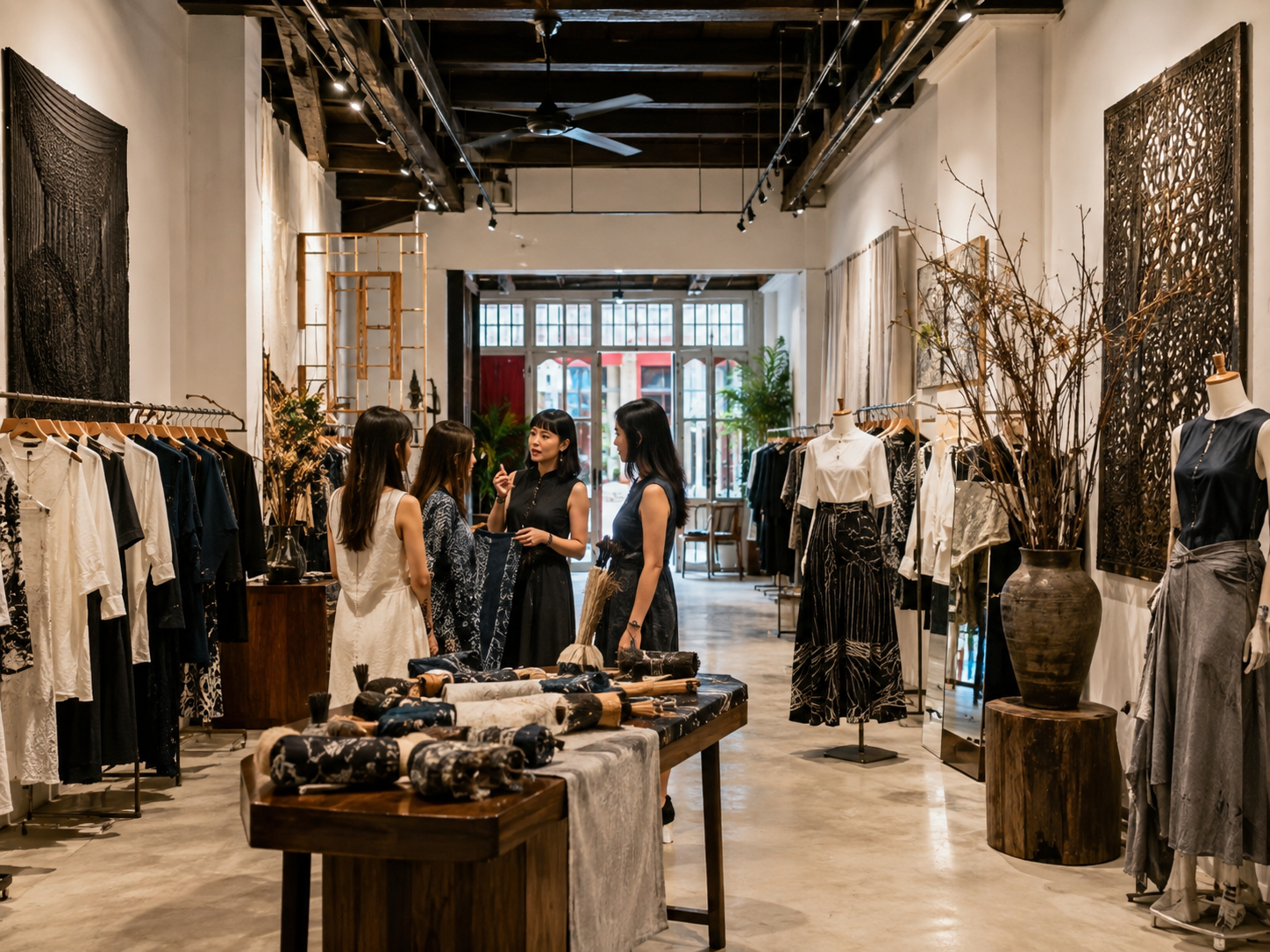
For decades, the standard route for a local label was to secure shelf space in a multi-brand store along Orchard Road. Today, designers are betting on heritage districts. Joo Chiat, Tiong Bahru, and Kampong Glam have become fertile ground for stand-alone boutiques where the interior design tells a story as compelling as the clothes themselves. Stolen, a womenswear label known for deconstructed silhouettes, recently unveiled a flagship on Haji Lane that operates as a rotating art installation. Every quarter, the store collaborates with a visual artist to reinterpret the space, making each visit unique.
Designer-Led Experiential Retail
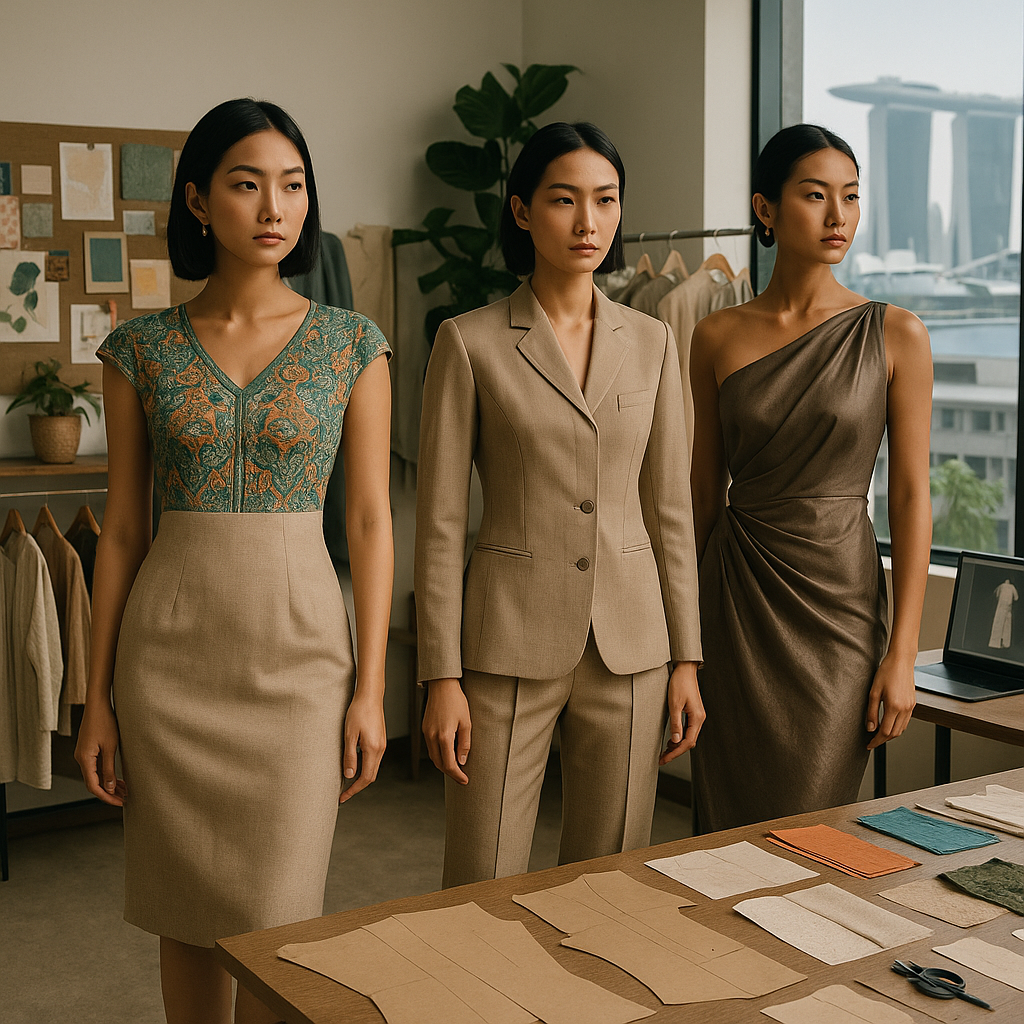
These boutiques prioritize experience over transaction. At Ong Shunmugam’s latest atelier, customers can book private consultations that include a behind-the-scenes look at the textile sourcing room, complete with vintage Peranakan batik prints sourced from the region. This blurring of retail and studio gives clients a deeper connection to the creative process. A 2026 feature in The Straits Times highlighted that foot traffic to such designer-led boutiques rose by 28% compared to conventional fashion outlets in the first quarter of the year (source: https://www.straitstimes.com/). The article noted that shoppers now seek personal narratives and craftsmanship transparency, something mass-market environments rarely deliver.
Community and Collaboration Over Competition
Another key driver is collaboration. Independent brands regularly host pop-up swaps and panel discussions. For instance, the “Threads & Talks” series in Everton Park invites labels like Graye Studio and Gin Lee to share supply-chain insights with aspiring fashion graduates. This spirit of cooperation strengthens the entire ecosystem, making boutique fashion more resilient against global fast-fashion giants.
The result is a boutique scene that is not just surviving but thriving, powered by authenticity, placemaking, and a passionate customer base willing to pay for meaning.