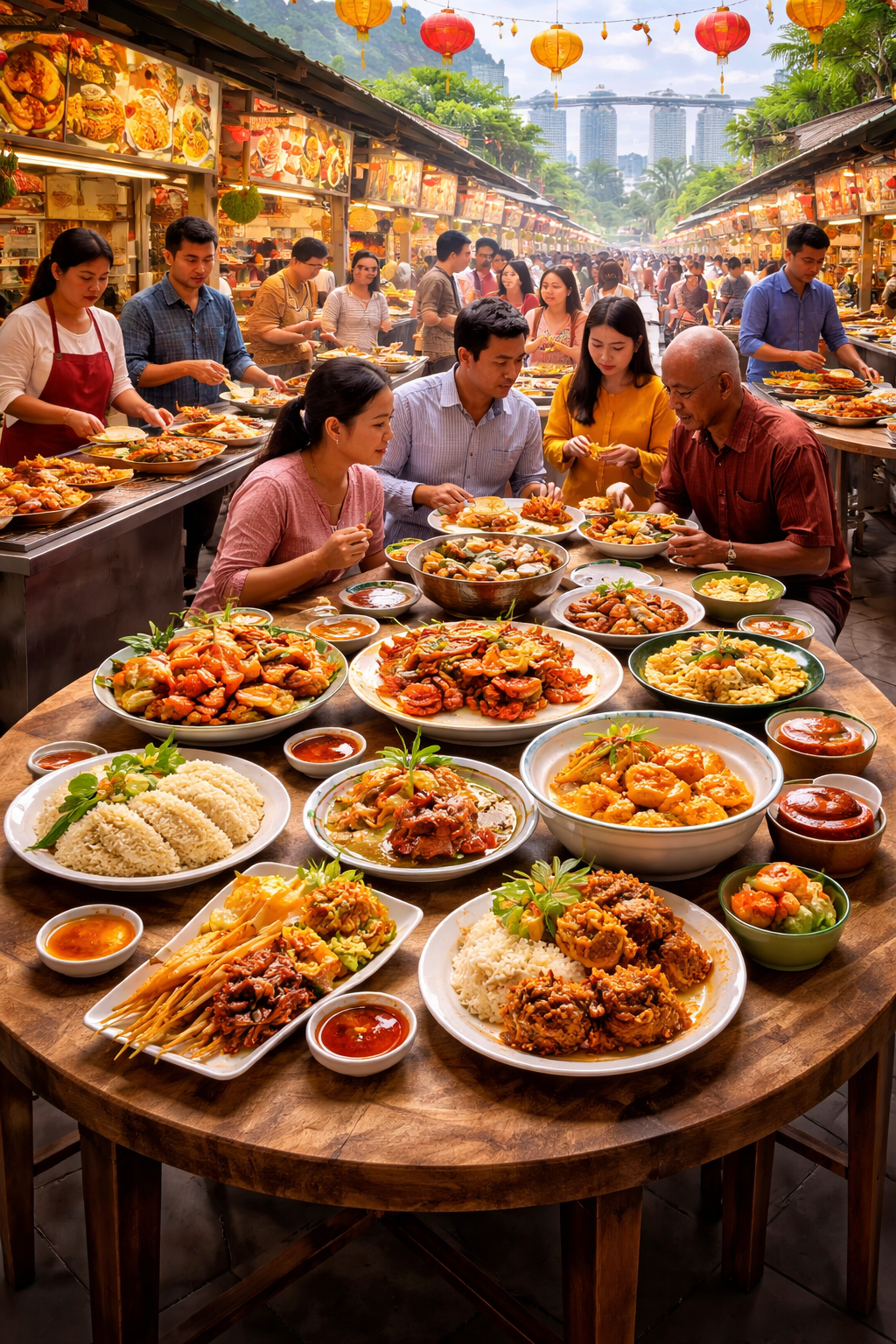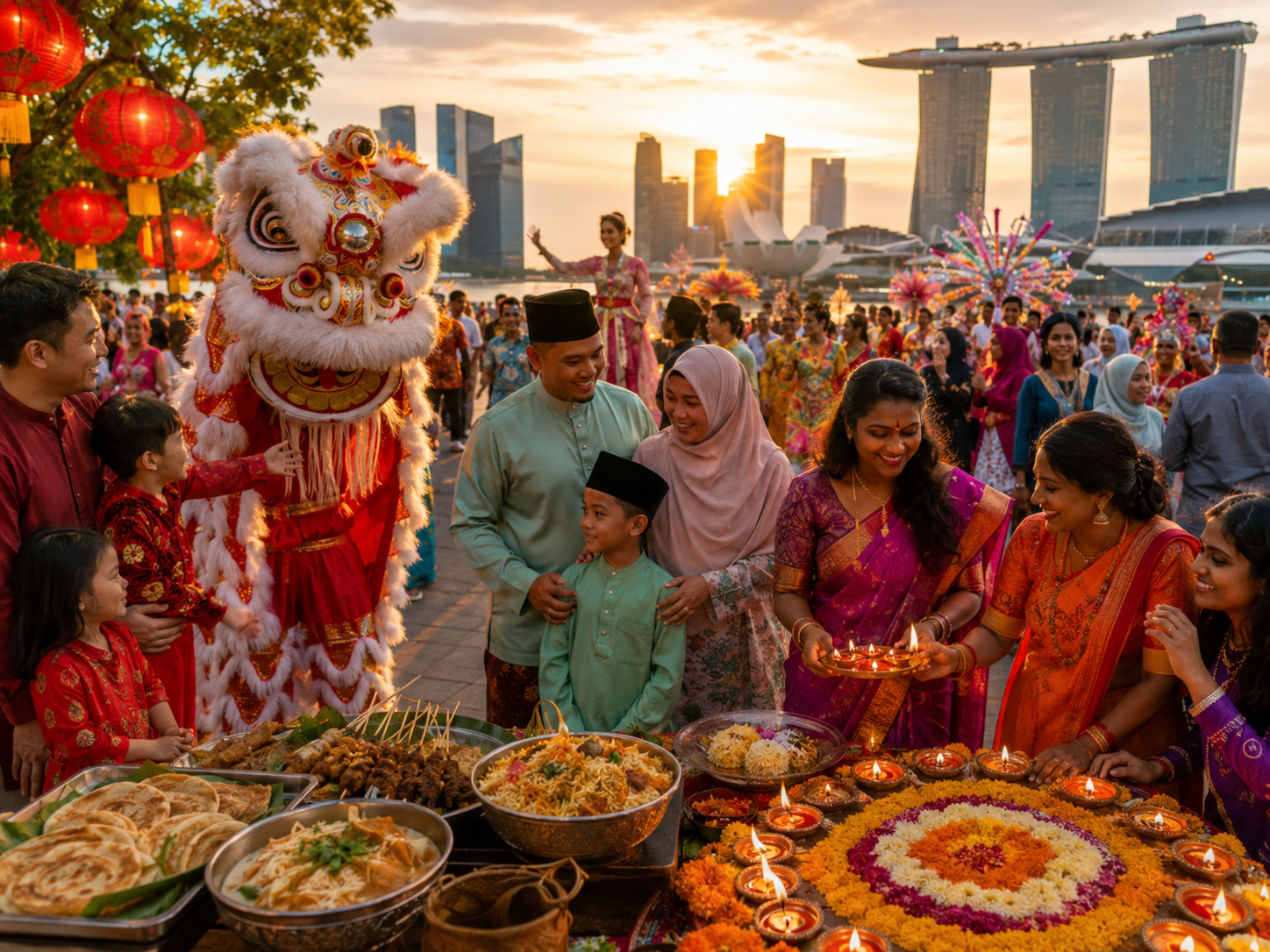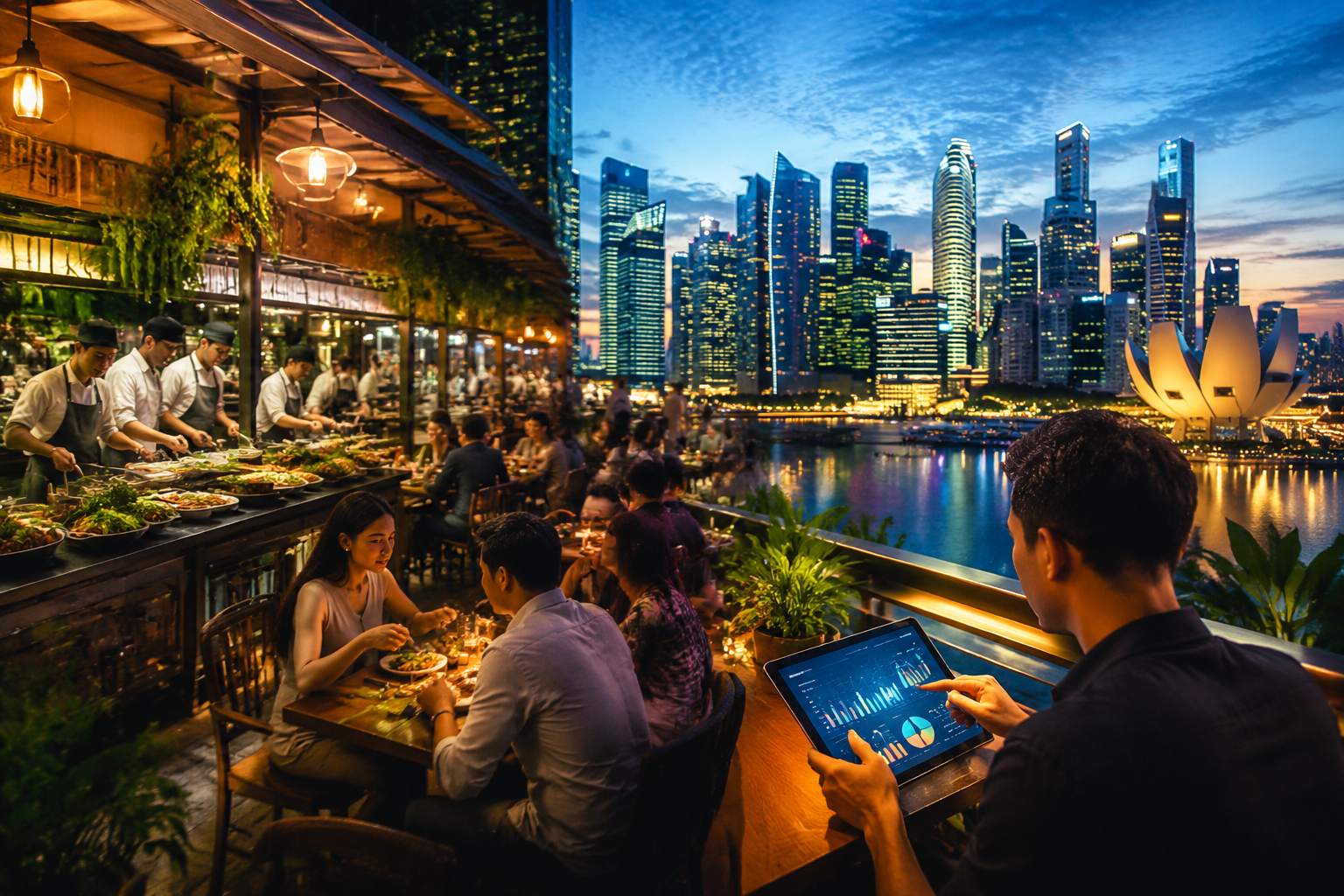
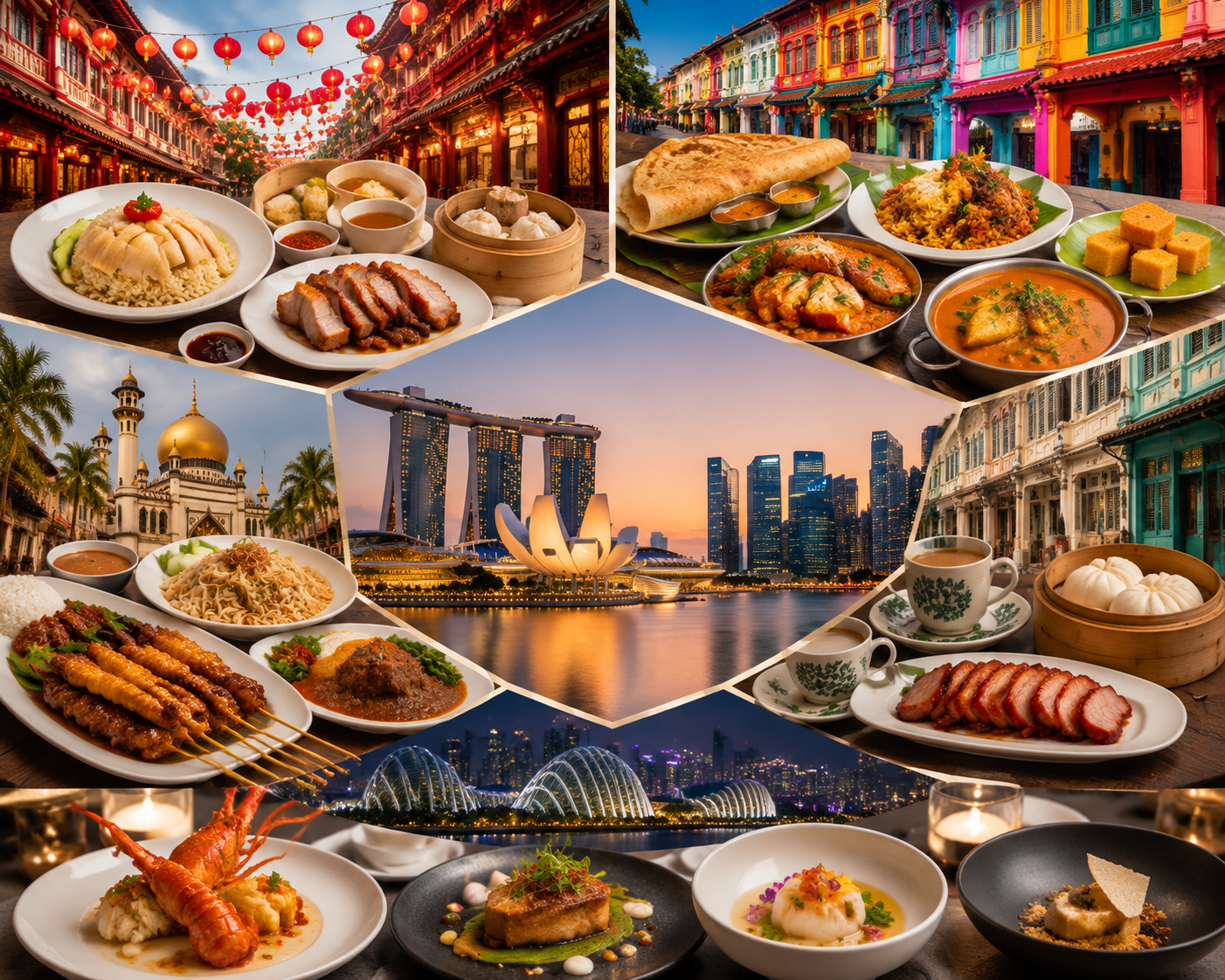
Singapore, often celebrated as a melting pot of cultures, offers a culinary landscape that reflects its rich ethnic diversity. Embarking on a food journey across the city-state provides not just flavors but also glimpses into the traditions and histories of each district. From bustling hawker centers to high-end restaurants, each neighborhood presents unique dishes that tell a story.
Chinatown, for instance, is renowned for its vibrant street food scene. Visitors can savor traditional delights such as char siu (barbecue pork), dim sum, and Hainanese chicken rice. The aroma of roasted meats and spices fills the air, creating an authentic sensory experience. Moreover, Chinatown is home to heritage eateries that have maintained their recipes for decades, offering an unfiltered taste of Singapore’s Chinese roots.
Moving northwards, Little India presents an explosion of colors, aromas, and flavors. Here, the streets are lined with restaurants serving curries, biryani, and roti prata. Spices like cumin, turmeric, and cardamom dominate the palate, reflecting the Indian community’s long-standing culinary traditions. The district is also famous for vegetarian restaurants, which highlight the region’s spiritual and cultural preferences in food.
In Kampong Glam, the Malay-Muslim heritage is evident through its signature dishes. One can find nasi padang, mee rebus, and satay served in vibrant markets and cozy eateries. The district’s culinary identity is closely tied to its history as a center of trade and migration, which has enriched its food with unique flavor combinations and preparation techniques. Traditional recipes are often paired with modern interpretations, giving visitors both authenticity and novelty.
Tiong Bahru, known for its art deco architecture, offers a contrasting yet equally delightful experience. It combines traditional hawker fare with trendy cafes, creating a district that appeals to both locals and tourists. Must-try items include bak kut teh (pork rib soup), freshly baked pastries, and artisan coffee. The neighborhood’s culinary charm lies in its ability to balance nostalgia with contemporary culinary trends.
Finally, Marina Bay represents Singapore’s modern and cosmopolitan side. Here, fine dining restaurants and luxury hotels dominate the scene, offering innovative dishes that blend local flavors with international cuisine. From seafood platters to molecular gastronomy experiments, Marina Bay exemplifies the evolution of Singaporean food culture into a global gastronomic destination.
Exploring Singapore’s districts through food is more than just a tasting adventure; it’s an immersion into the city’s multicultural soul. Each neighborhood’s flavors provide insights into the people, history, and traditions that shaped this vibrant nation. Whether indulging in street food or dining in upscale establishments, the culinary journey across Singapore promises unforgettable experiences for every palate.