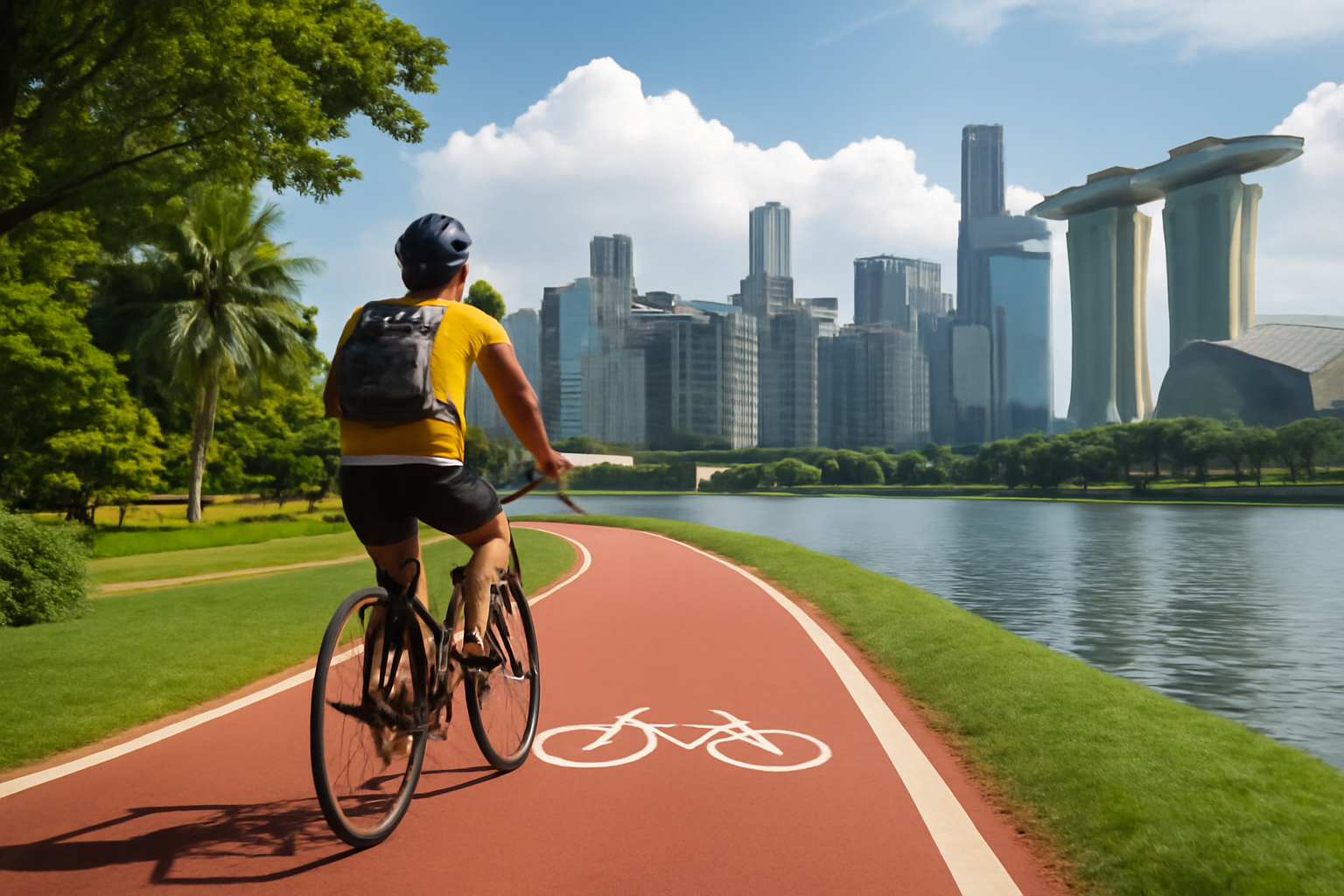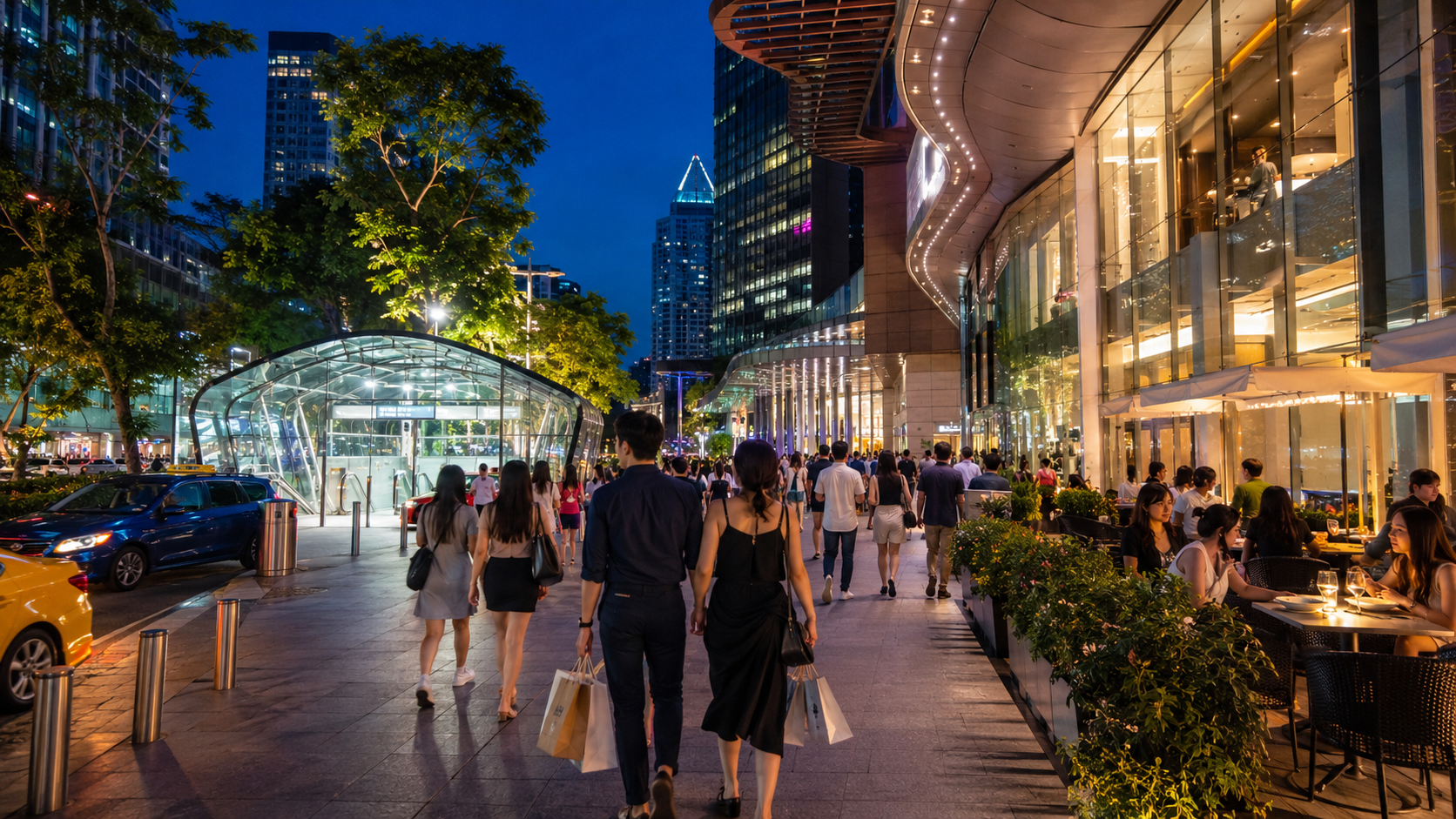
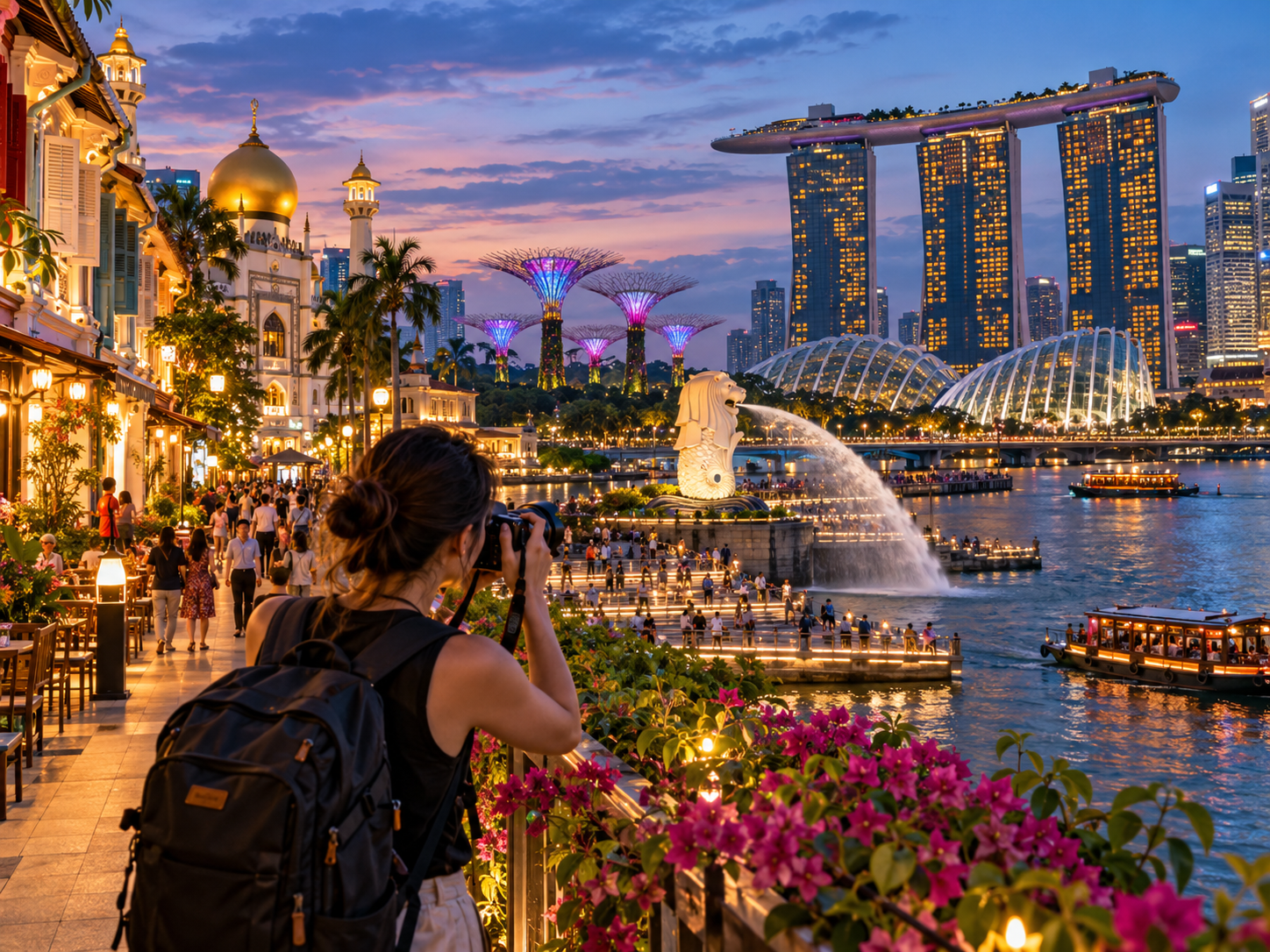
Singapore has long been celebrated as one of Asia’s most photogenic destinations, but 2026 marks a turning point for photography tourism. With international visitor arrivals projected to reach 17 to 18 million this year, the city-state is witnessing a surge in travellers whose primary motivation is capturing its unique visual identity. From futuristic skylines to heritage shophouses, the island offers a compressed yet diverse canvas for photographers of all levels.
Why Singapore Remains a Photography Powerhouse
The compact geography of Singapore is a strategic advantage for photo enthusiasts. Within a single day, a photographer can move from the colonial charm of CHIJMES to the neon-drenched streets of Haji Lane, and end with a sunset shoot at Marina Bay Sands. This density of visual experiences is unmatched in the region.
According to recent tourism data, the first quarter of 2026 recorded 4.4 million international visitors, a 3 percent increase year-on-year. A growing share of these travellers are participating in specialised photo walks and guided photography tours, which now command prices 30 to 50 percent higher than standard sightseeing packages. This premium reflects a shift from passive tourism to active visual storytelling.
The New Wave of Instagrammable Spots
While Merlion Park and Gardens by the Bay remain perennial favourites, 2026 has seen the rise of lesser-known locations gaining viral traction. The Fort Canning Tree Tunnel continues to draw daily queues, with photographers advised to arrive before 8 AM to avoid crowds. Meanwhile, the i Light Singapore 2026 festival introduced new night-time installations around Bayfront Event Space, including the Infinite Graffiti and Barbershop Wonderland exhibits, which have become instant favourites for light-trail photography.
Sentosa Island has also elevated its photography appeal. The Magical Island Adventure, running until 20 September 2026, features free photo installations inspired by Disney Cruise Line, with themed spots at Palawan Beach and the Southernmost Point of Continental Asia. These activations provide structured, family-friendly opportunities for capturing memorable moments.
Essential Photography Etiquette and Regulations
Understanding local rules is critical. Singapore enforces strict regulations on drone usage, prohibiting flights within 5 kilometres of any airport or military base—covering nearly 80 percent of the island. Unauthorised drone flights near Marina Bay can incur fines up to S$50,000 or imprisonment. Tripods and selfie sticks are also restricted in certain public spaces, including Gardens by the Bay and government buildings, where commercial-grade filming requires explicit permits.
For street photographers, consent is paramount. Ethical guidelines from the Photographic Society of Singapore emphasise respecting human dignity and avoiding coercion when photographing identifiable individuals. In cultural and religious sites such as Sultan Mosque, modest attire and quiet behaviour are expected.
Practical Tips for the Modern Photography Tourist
Timing is everything. The blue hour—just after sunset—offers the most dramatic lighting for skyline shots at Marina Bay. For street photography, early morning provides empty frames at Haji Lane and Kampong Glam. Investing in a wide-angle lens is advisable for capturing the scale of Supertree Grove and the Jewel Rain Vortex. Finally, lightweight stabilisers are preferable to bulky tripods, given the regulatory environment and the need for mobility in crowded areas.