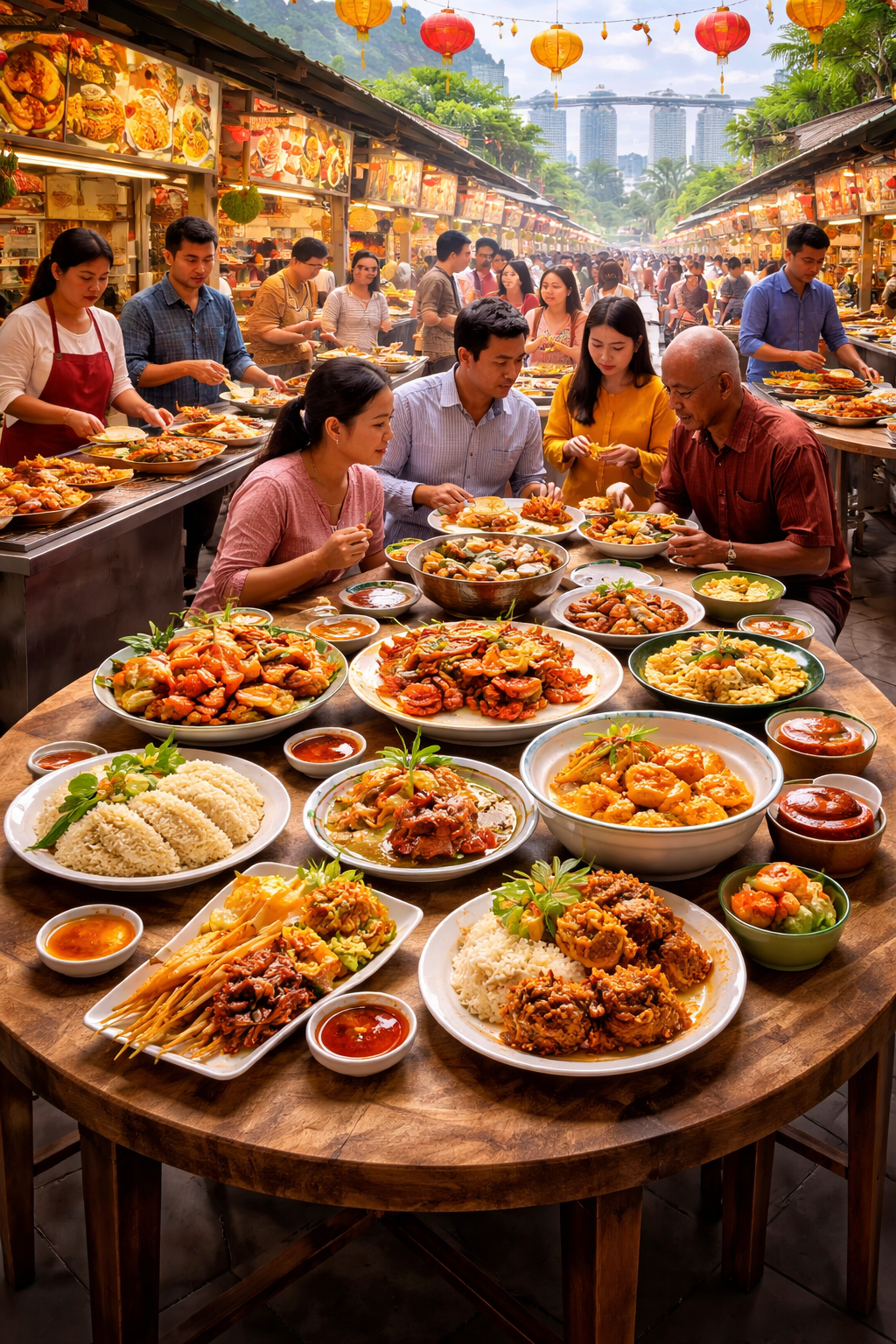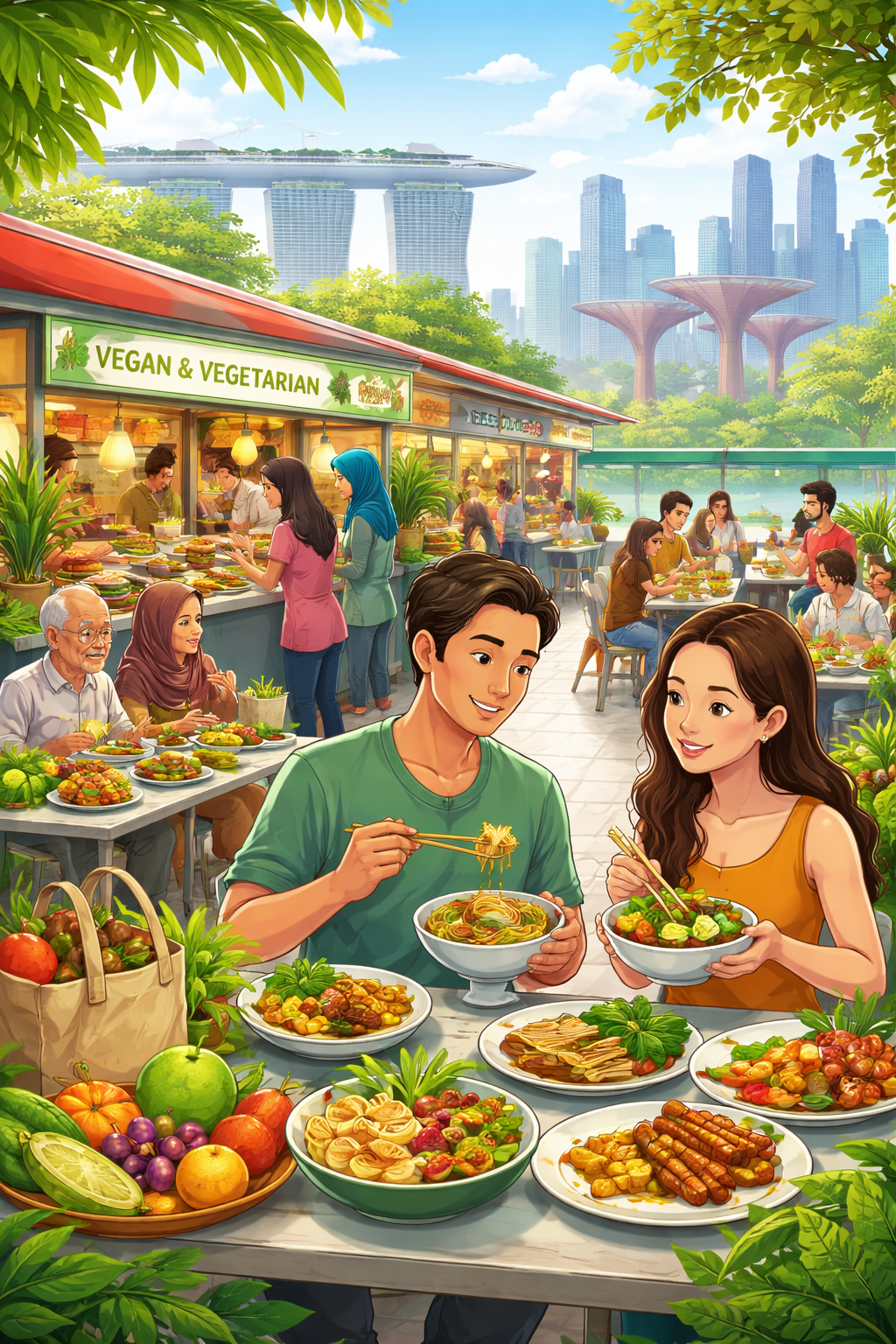
Singapore is a vibrant melting pot of cultures, where food plays a central role in almost every aspect of life, especially during the country’s annual festivals. These celebrations are not just an opportunity to celebrate Singapore’s rich heritage but also a time to indulge in its diverse culinary offerings. From the famous hawker centers to street food stalls, the country’s food scene is an integral part of its cultural events. During these festivals, you get the chance to taste an array of local dishes that represent Singapore’s unique cultural identity.
Food as Cultural Heritage
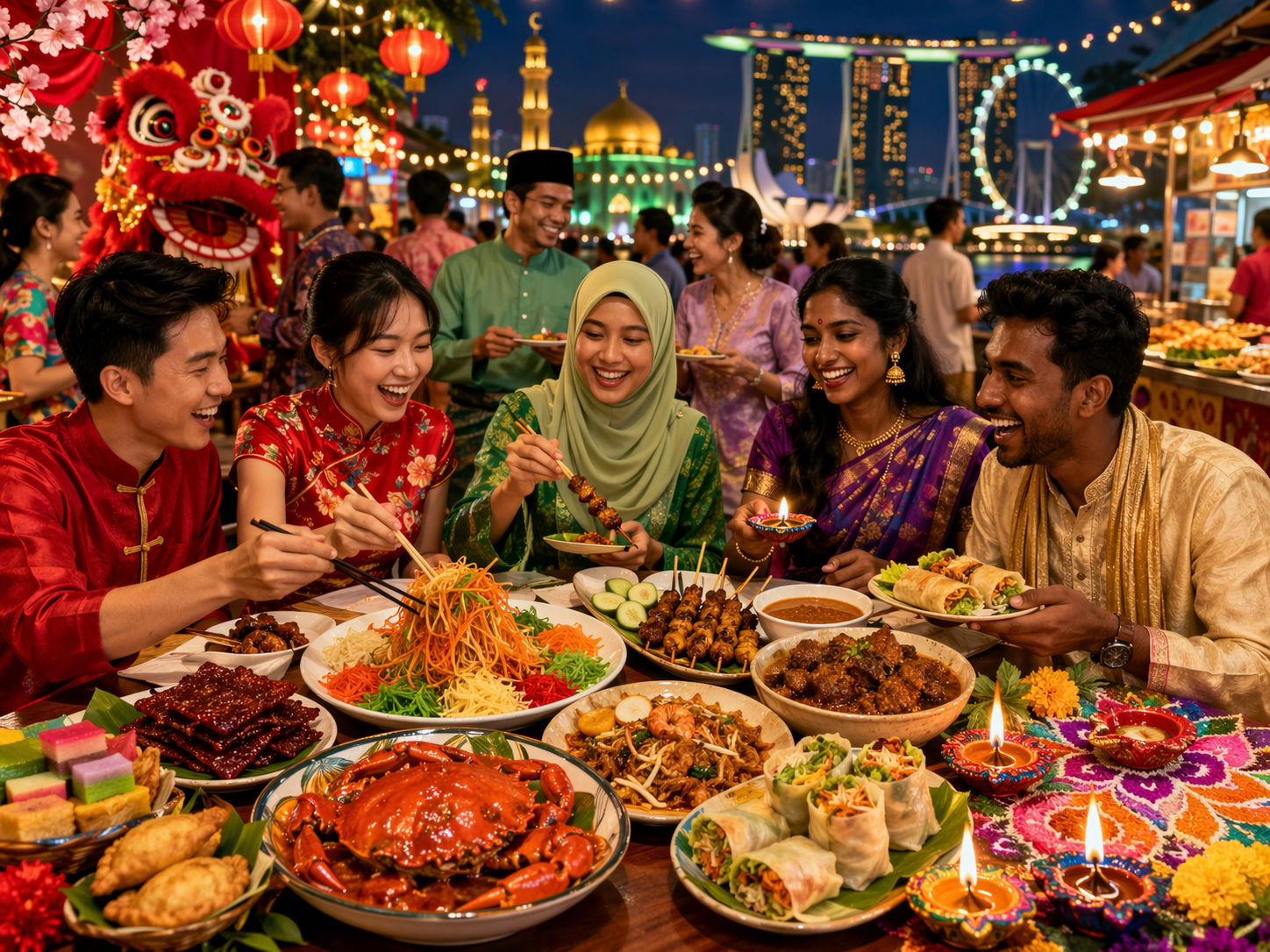
Singapore’s festivals, such as Chinese New Year, Hari Raya Puasa, Deepavali, and the Singapore Food Festival, showcase a stunning array of dishes that highlight the country’s multicultural roots. Each celebration is a showcase of different cultural influences, including Chinese, Malay, Indian, and Peranakan. At these events, food isn’t just a means to satisfy hunger, but a way to connect with the past and celebrate traditions passed down through generations.
For example, during Chinese New Year, dishes like bak kwa (barbecued meat) and yu sheng (prosperity toss) are prepared to symbolize good fortune and abundance. Hari Raya Puasa, a celebration marking the end of Ramadan for Muslims, sees the serving of dishes such as rendang (a slow-cooked beef stew) and ketupat (rice cakes), which hold cultural significance and are often shared among family and friends.
The Singapore Food Festival: A Culinary Extravaganza
One of the most anticipated events for food lovers is the Singapore Food Festival (SFF), which celebrates the nation’s culinary scene. Held annually, the festival features food stalls, cooking demonstrations, and gourmet experiences, allowing both locals and tourists to savor the full spectrum of Singapore’s food offerings. The event draws attention to not only traditional hawker food but also innovative modern Singaporean cuisine.
A notable feature of the SFF is the inclusion of hawker heroes—the chefs who have made significant contributions to preserving and elevating Singapore’s culinary heritage. Through this festival, the public can experience iconic dishes like chilli crab, laksa (spicy noodle soup), and satay (grilled skewers) while learning about the history and cultural significance behind each one.
Fusion Flavors and Global Influence
Singapore’s food festivals also highlight the dynamic and evolving nature of the country’s cuisine. With its cosmopolitan population, Singapore embraces fusion cuisine, where chefs experiment by combining local ingredients with flavors from around the world. This fusion trend is particularly evident in many food stalls at festivals, where traditional dishes are given a contemporary twist.
A prime example is laksa lemak, a variation of the traditional laksa, where creamy coconut milk is used to give the dish a richer flavor. At festivals, you might also find modern interpretations of old favorites, such as char kway teow (stir-fried noodles) or nasi lemak (coconut rice), infused with new ingredients and techniques.
Celebrating Community Through Food
Festivals are an essential part of Singapore’s community spirit. Food has a unique way of bringing people together, and at these events, visitors have the chance to connect with others while enjoying shared meals. Street food markets and food stalls often become lively centers for interaction, where people of all backgrounds gather to sample dishes from different cultures.
The beauty of Singaporean festivals is that they offer an inclusive atmosphere where food acts as a bridge between various cultural communities. In a country known for its diversity, these festivals demonstrate how food can foster unity and appreciation for the various cultures that make up the nation.
Culinary Tourism: A Feast for the Senses
For those visiting Singapore, attending a food festival is one of the best ways to experience the country’s culinary heritage. Beyond just tasting the food, these festivals often feature cooking classes, food workshops, and cultural performances that give a deeper understanding of the dishes’ origins and significance.
Each dish tells a story, whether it’s the story of early Chinese immigrants who brought with them the art of cooking noodles or the Malay influence on rice-based dishes. With each bite, visitors get a taste of Singapore’s rich history, its ability to adapt, and its forward-thinking culinary innovation.
In summary, Singapore’s festivals provide an immersive experience into the world of its food culture. From traditional dishes to innovative culinary creations, the nation’s festivals offer a sensory journey through its diverse and dynamic food scene.