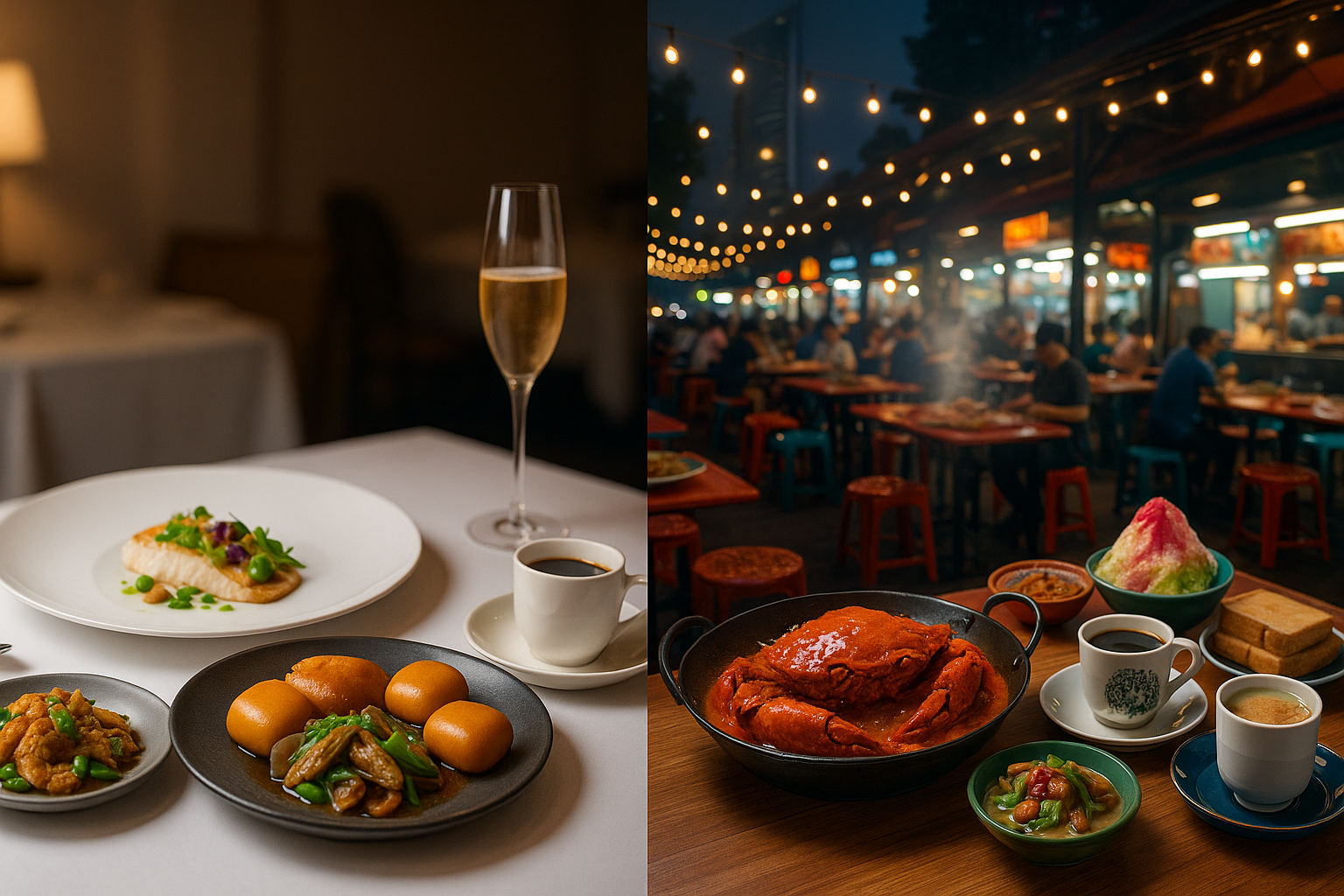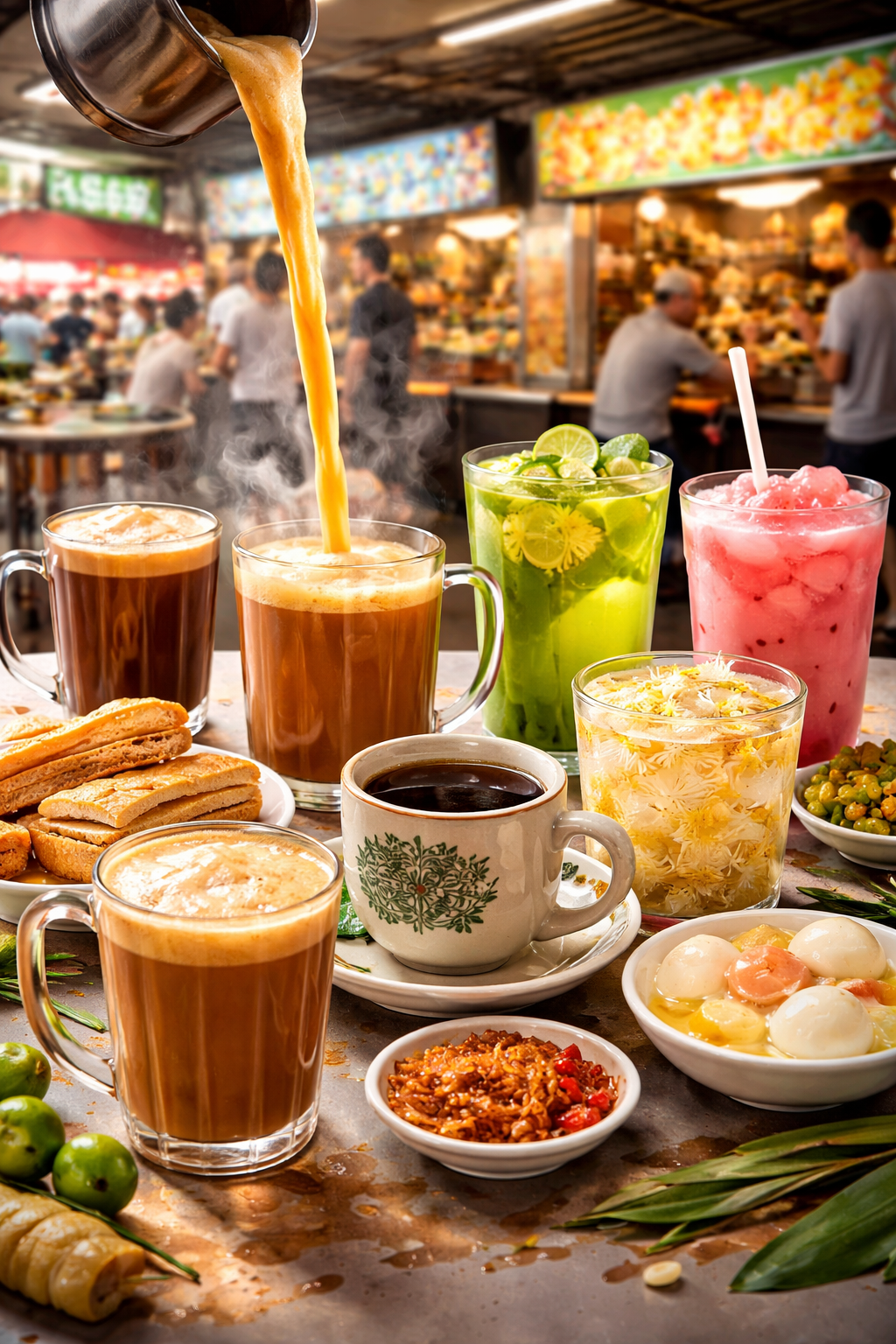
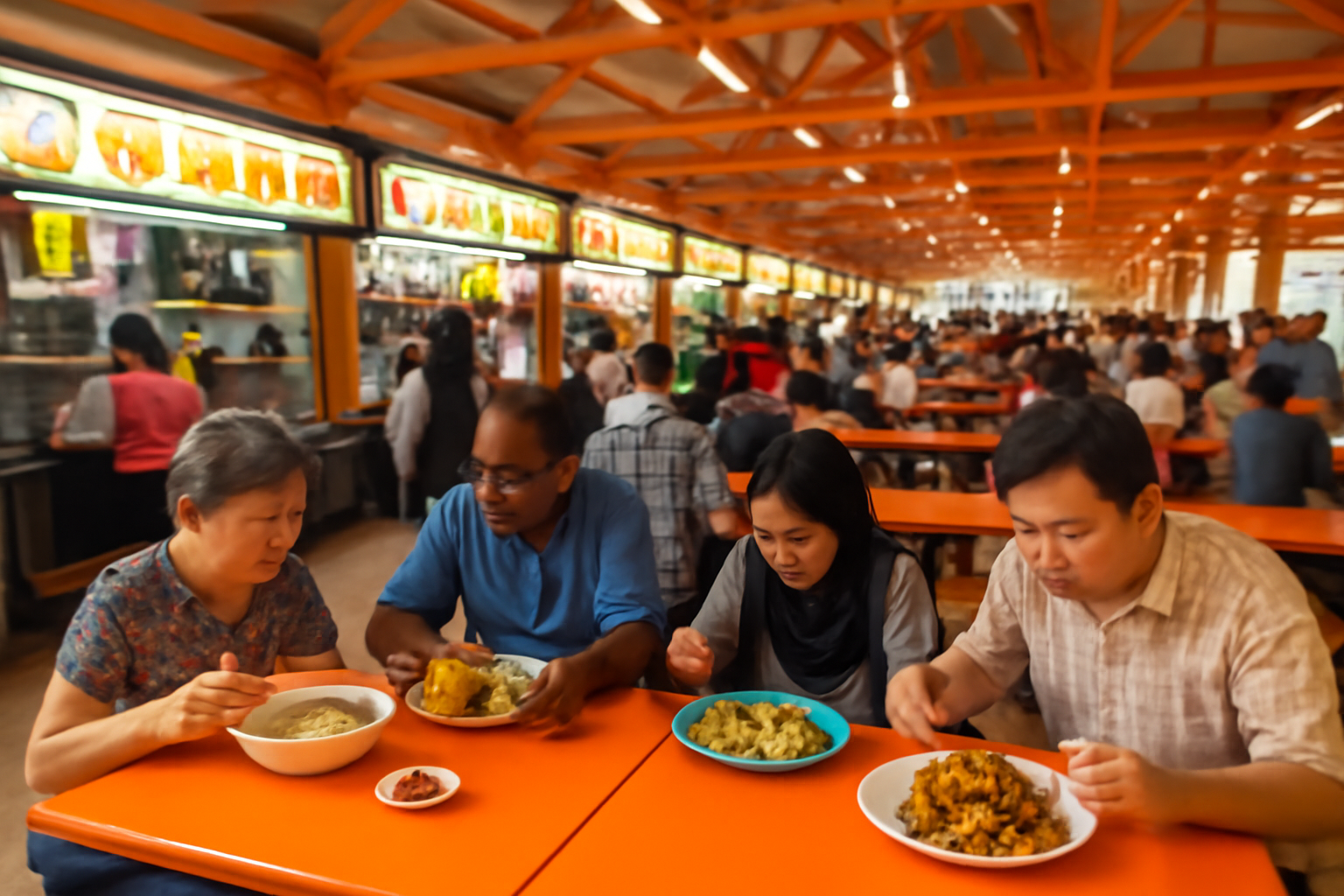
Hawker centres are integral to Singapore’s food scene, playing a central role in the city-state’s culinary culture. These food courts, offering a wide range of affordable, local dishes, provide a unique dining experience that blends history, culture, and gastronomy. Hawker centres, once originally created for the working class, have now become synonymous with the vibrant food culture that Singapore is globally recognized for.
One of the key aspects that set hawker centres apart is the accessibility they offer to both locals and tourists. The typical hawker centre features multiple food stalls, each specializing in a specific local dish. From Hainanese chicken rice to laksa and char kway teow, the variety on offer showcases Singapore’s diverse ethnic influences, with dishes rooted in Chinese, Malay, Indian, and Peranakan traditions. This blend of flavors, techniques, and ingredients makes hawker food a celebration of Singapore’s multicultural society.
In addition to the variety of dishes, the affordability of hawker food makes it an essential part of Singapore’s social fabric. A meal at a hawker centre can be as low as a few dollars, ensuring that even people from lower-income backgrounds can enjoy high-quality meals. This has helped foster a sense of inclusivity, as hawker centres remain a popular choice for everyone, regardless of socioeconomic status.
Hawker centres have not only played a role in providing accessible food but also in preserving traditional recipes and cooking methods. Many hawker stall owners have passed their knowledge down through generations, keeping culinary traditions alive in an ever-evolving city. For example, traditional Chinese dishes like bak kut teh (pork rib soup) or char siew (barbecued pork) remain staples at hawker centres, where customers can experience these timeless flavors.
The hawker centre also reflects Singapore’s government’s commitment to preserving food heritage. In 2020, UNESCO recognized Singapore’s hawker culture as an Intangible Cultural Heritage of Humanity. This honor underscores the significance of hawker centres as not just food courts but vital cultural hubs. The recognition also raises global awareness about the uniqueness of Singapore’s food culture and the importance of preserving these culinary traditions.
Hawker centres have also contributed to Singapore’s tourism industry, attracting visitors who are keen to taste authentic local dishes in an informal setting. Many tourists come to Singapore specifically to explore hawker food, with iconic locations like the Maxwell Food Centre and Lau Pa Sat drawing crowds from all over the world. The casual, communal atmosphere of hawker centres provides a genuine, immersive way to experience the country’s rich culinary history.
Moreover, the increasing global interest in Singaporean cuisine has led to the emergence of modern interpretations of hawker food. Some chefs are bringing innovative twists to traditional dishes, blending contemporary cooking techniques with the tried-and-tested recipes of their predecessors. This fusion of old and new ensures that Singapore’s hawker food continues to evolve while remaining deeply rooted in the nation’s culinary traditions.
Through its focus on affordability, accessibility, and cultural diversity, the hawker centre is much more than just a place to grab a quick bite. It’s a microcosm of Singapore’s identity, representing the nation’s melting pot of cultures and its commitment to preserving culinary heritage for future generations.