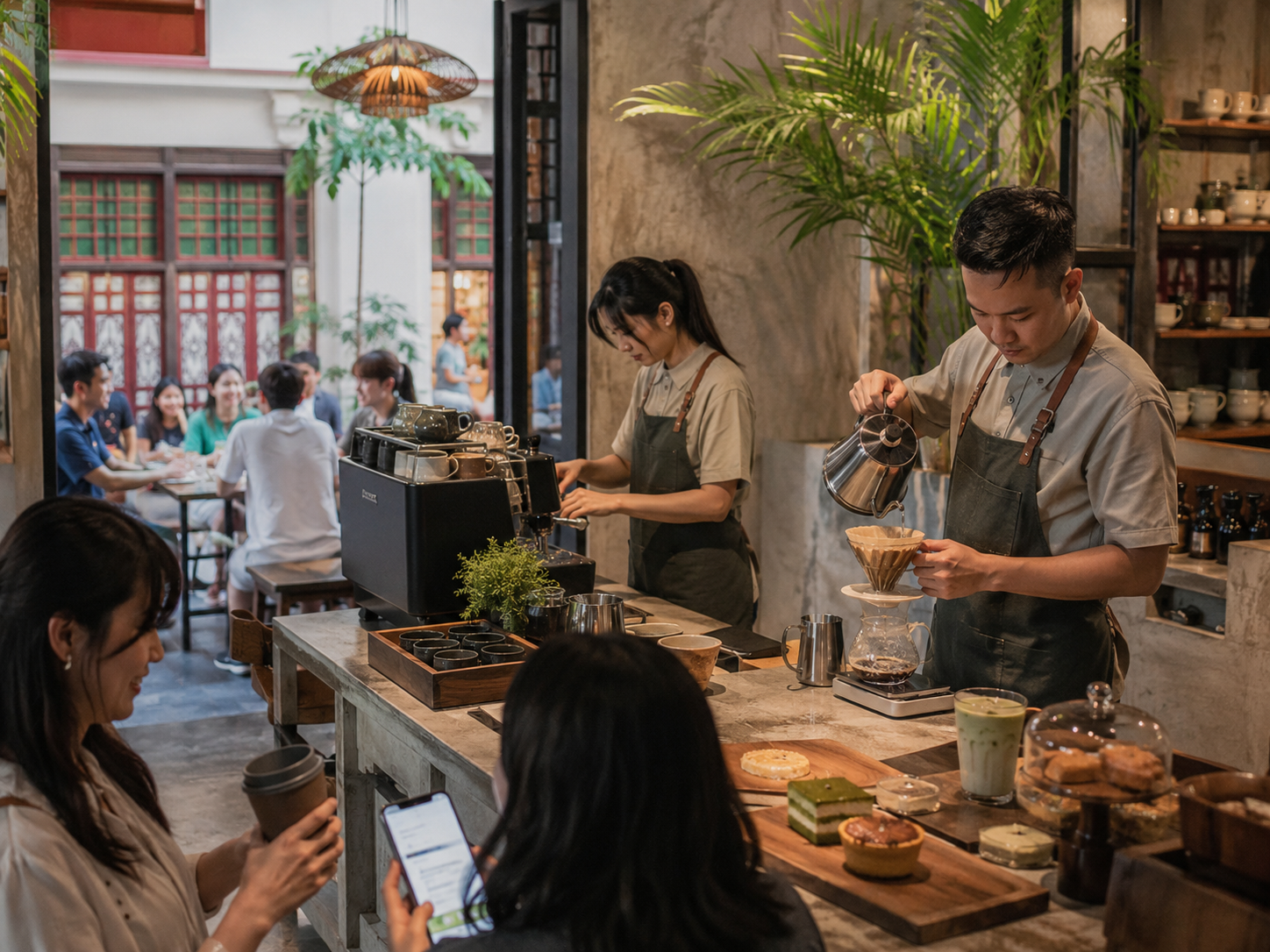
Singapore has experienced a remarkable transformation in its café industry, moving beyond traditional kopitiam culture into a dynamic specialty coffee ecosystem. While traditional coffee shops remain an important part of Singapore’s heritage, a new generation of cafés has emerged by combining premium coffee experiences, creative concepts, and lifestyle-focused environments.
The modern café scene reflects changing consumer behavior, especially among younger Singaporeans who view cafés not only as places to purchase beverages but also as social spaces, remote working environments, and cultural destinations. Independent café owners are increasingly competing through unique branding, sustainable sourcing, and personalized customer experiences.
According to the Singapore Department of Statistics, the food and beverage services sector remains a significant contributor to the local economy, with thousands of businesses operating across restaurants, cafés, and beverage outlets. The latest industry information can be accessed through Singapore’s official statistics portal: https://www.singstat.gov.sg/
From Traditional Kopitiam to Specialty Coffee Experiences
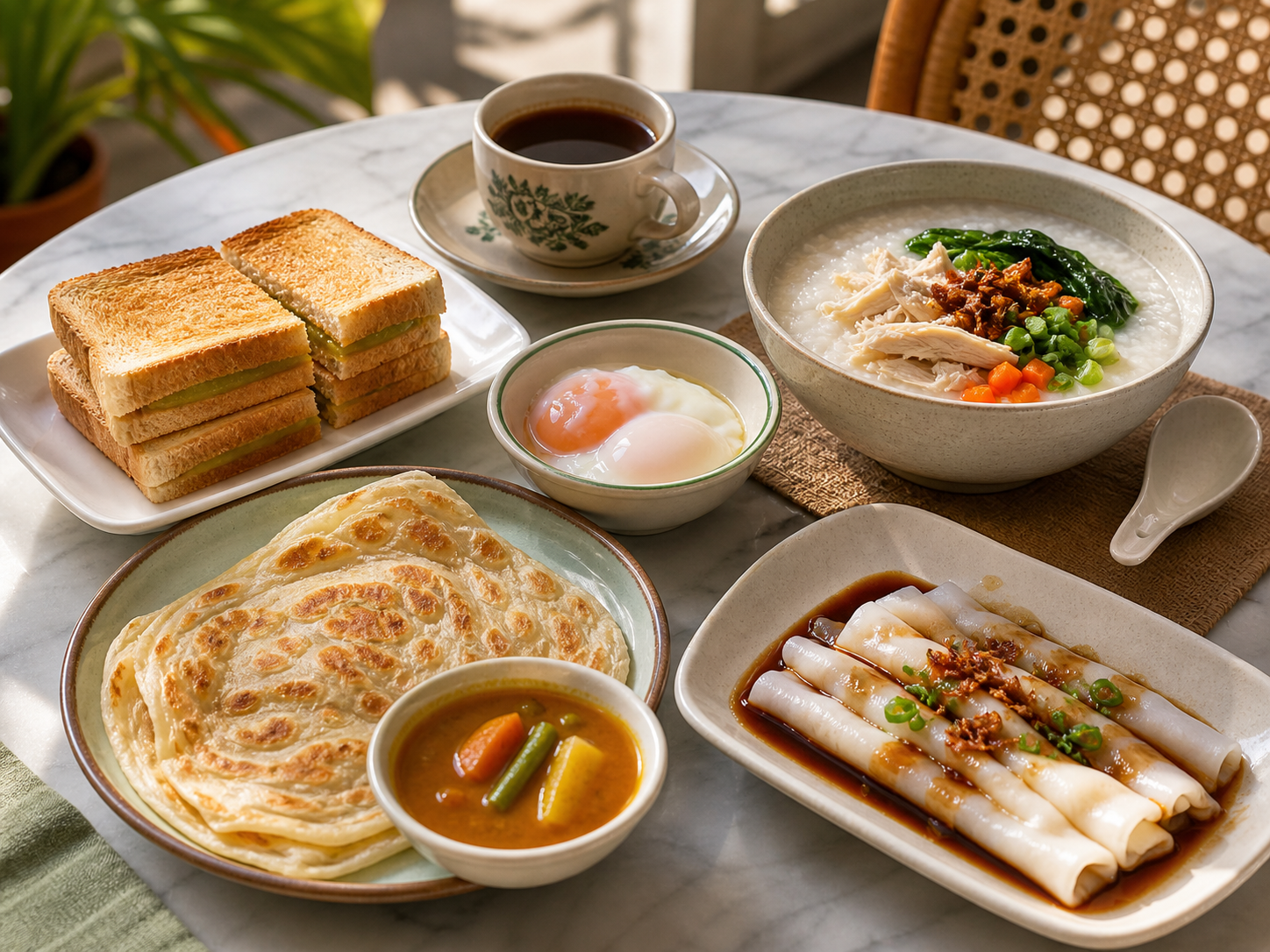
Singapore’s coffee identity has historically been shaped by kopitiams, where traditional Nanyang coffee served with kaya toast and soft-boiled eggs became part of everyday life. However, the arrival of specialty coffee culture introduced new preparation methods, including espresso-based drinks, manual brewing techniques, single-origin beans, and professional barista craftsmanship.
Local cafés such as Apartment Coffee, Nylon Coffee Roasters, and PPP Coffee represent this transition by focusing on quality control, ethical sourcing, and education-driven coffee experiences. These businesses demonstrate how Singapore entrepreneurs are adapting global coffee trends while maintaining a connection with local consumers.
The modern café customer is increasingly interested in understanding the story behind their coffee. Information about bean origins, roasting methods, and sustainability practices has become part of the purchasing decision, creating opportunities for cafés to build stronger relationships with their audiences.
Local Entrepreneurs Driving Café Innovation
Singapore’s café growth is strongly connected to the creativity of local entrepreneurs who have developed concepts beyond traditional beverage sales. Many independent cafés now combine coffee with art, retail, technology, and community activities.
A notable example is the growth of neighborhood cafés in areas such as Tiong Bahru, Joo Chiat, and Bugis. These districts have become destinations where visitors experience Singapore’s cultural heritage alongside contemporary café concepts.
Many café operators are also adopting digital strategies, including online ordering systems, loyalty applications, social media marketing, and direct-to-consumer coffee subscriptions. These approaches allow smaller businesses to compete with larger international coffee chains by creating stronger customer engagement.
Sustainability and Future Trends in Singapore’s Café Market
Sustainability has become an increasingly important factor in Singapore’s café industry. Consumers are paying greater attention to environmentally responsible practices, including reusable packaging, waste reduction programs, and partnerships with ethical coffee suppliers.
Government initiatives supporting business transformation have also encouraged food and beverage companies to adopt technology and improve operational efficiency. Information about Singapore’s business support programs is available through Enterprise Singapore: https://www.enterprisesg.gov.sg/
Looking toward 2026, the café industry is expected to continue evolving through premium coffee experiences, automation technology, and community-driven concepts. Successful cafés will likely be those capable of balancing innovation with authenticity while responding to changing consumer expectations.
Singapore’s modern café movement represents more than a beverage trend. It reflects a broader cultural shift where coffee becomes a medium for entrepreneurship, creativity, and social connection in one of Asia’s most competitive urban economies.