The culinary landscape of Singapore has long been a battleground for international flavors, but the recent surge in sophisticated Korean gastronomy marks a significant shift from the days of simple stews and grilled meats. While the city-state has always harbored a love for traditional dishes, a new wave of restaurateurs is elevating the cuisine to unprecedented heights, capturing the attention of both local gourmands and the prestigious Michelin Guide.
The Shift from Casual to Upscale
Historically, Korean dining in Singapore was synonymous with the bustling, smoky atmosphere of Tanjong Pagar. Establishments focused on volume, offering hearty servings of Samgyeopsal and Budae Jjigae. However, the last five years have witnessed a paradigm shift. Chefs trained in Seoul’s finest hotels and even European Michelin-starred kitchens are now setting up shop in districts like Dempsey Hill and Amoy Street, bringing with them a philosophy of precision and artistry.
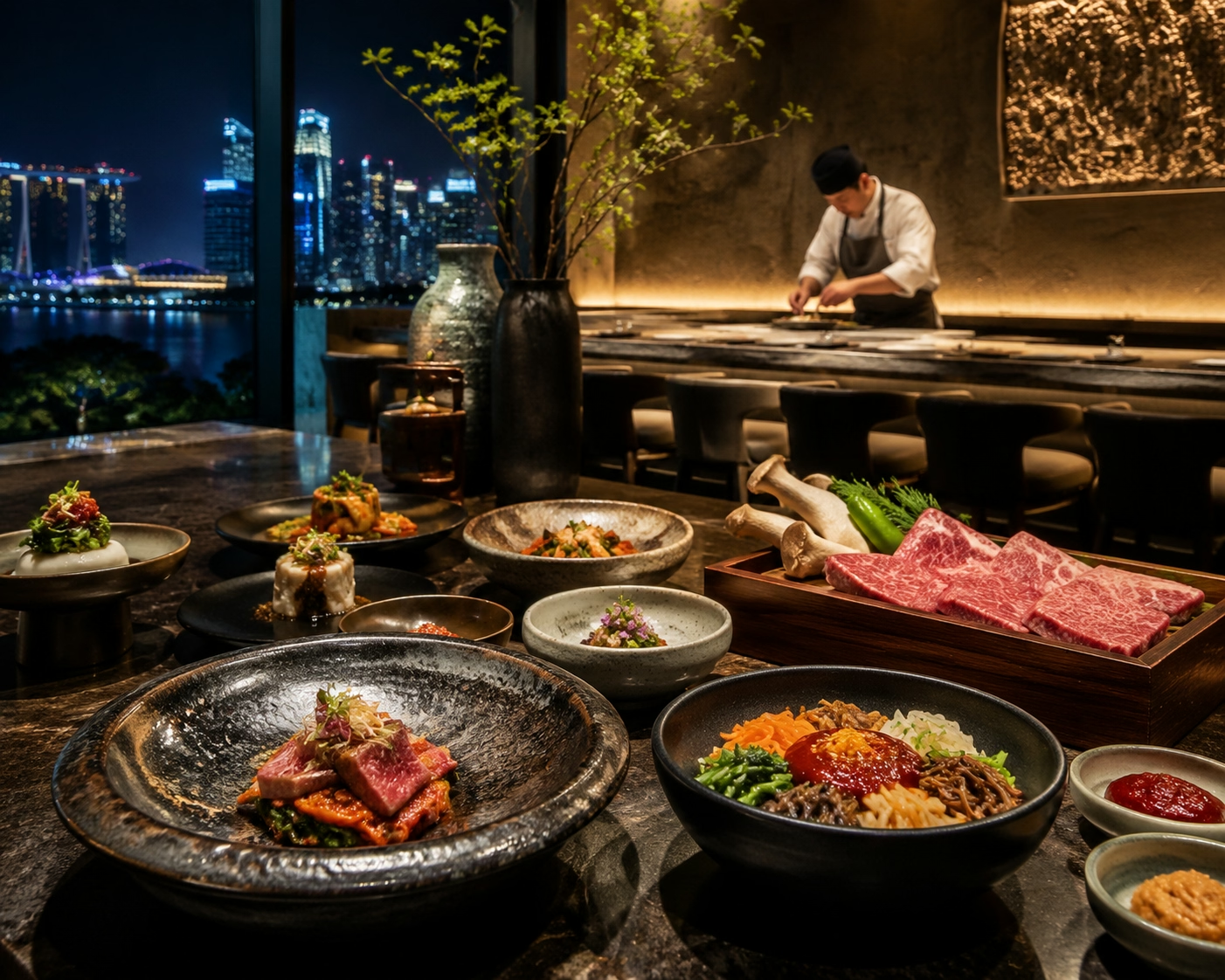
This transition is characterized by the introduction of premium ingredients rarely seen before in the local market. We are seeing the import of high-grade Hanwoo beef, aged and prepared with the same reverence given to Japanese Wagyu. Furthermore, traditional fermented staples like Doenjang and Gochujang are no longer just side condiments; they are being integrated into complex sauces, glazes, and even desserts.
Redefining Tradition on the Plate
The modern interpretation of Korean food does not seek to erase tradition but rather to reframe it. Restaurants like NAE:UM and Meta (though Meta leans pan-Asian, its Korean DNA is undeniable) have championed a ‘contemporary Seoul’ aesthetic. They deconstruct classic dishes such as Bibimbap or Naengmyeon and reconstruct them with textures and plating styles that appeal to a fine dining audience.
This culinary innovation is supported by data indicating a robust growth in the food and beverage sector. According to recent market analyses, the demand for experiential dining in Singapore continues to rise, with consumers willing to spend more on unique cultural narratives. The intricate storytelling involved in a multi-course Korean tasting menu fits this demand perfectly, offering a journey through Korea’s regional specialties without leaving the island.
The Influence of the Michelin Guide
The validation of Korean cuisine by international critics has been a game-changer. When the Michelin Guide Singapore began recognizing Korean establishments, it signaled to the investment community and the public that this cuisine is not a passing trend. The status of a “Michelin Plate” or a “Star” drives tourist traffic and local interest, ensuring that these fine dining concepts have the longevity to survive Singapore’s notoriously competitive rental market.
For those looking to explore this elevated side of Korean food, the experience is now comparable to the best French or Japanese omakase restaurants in the city, but with the distinct, bold flavors of the Korean peninsula as the foundation.