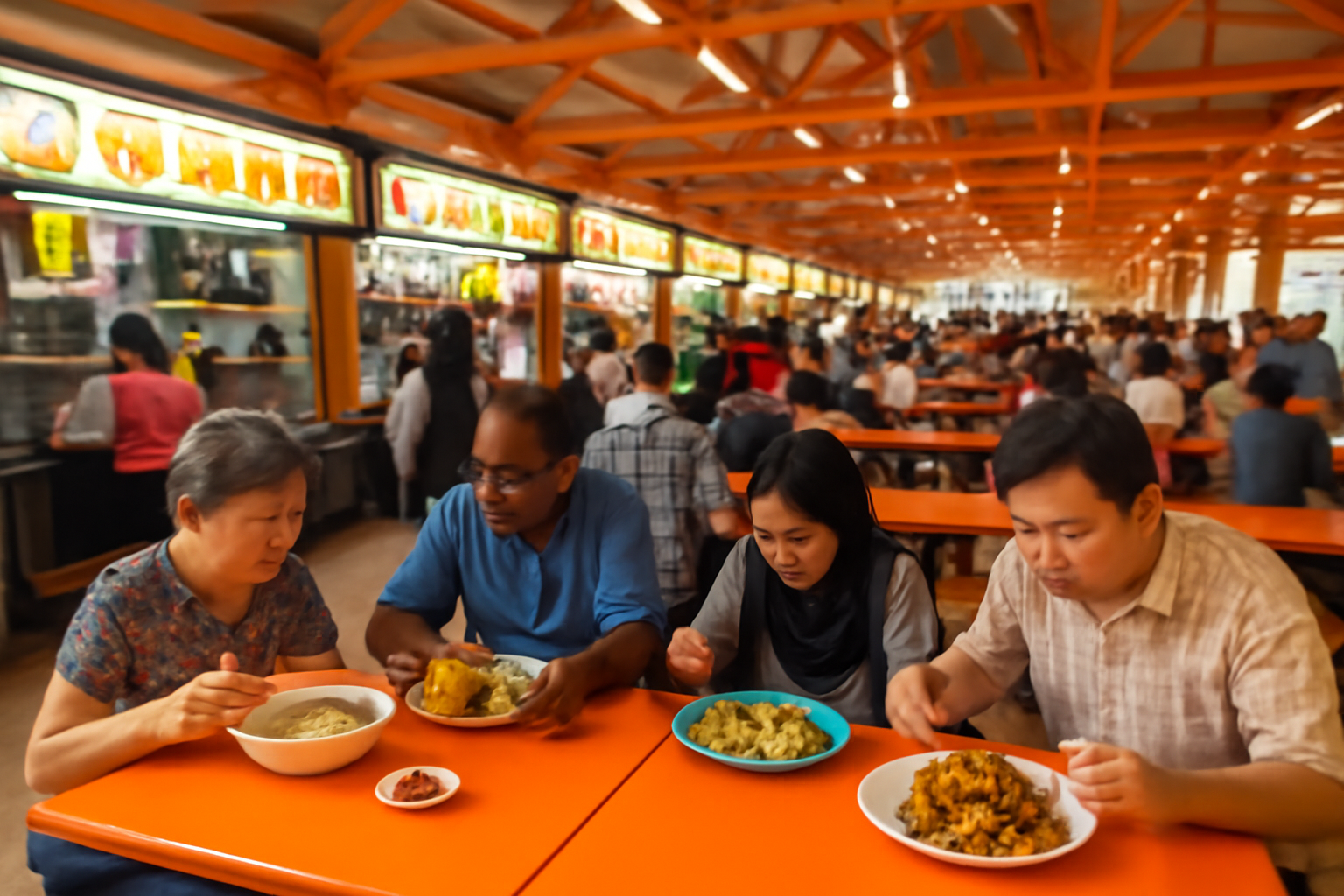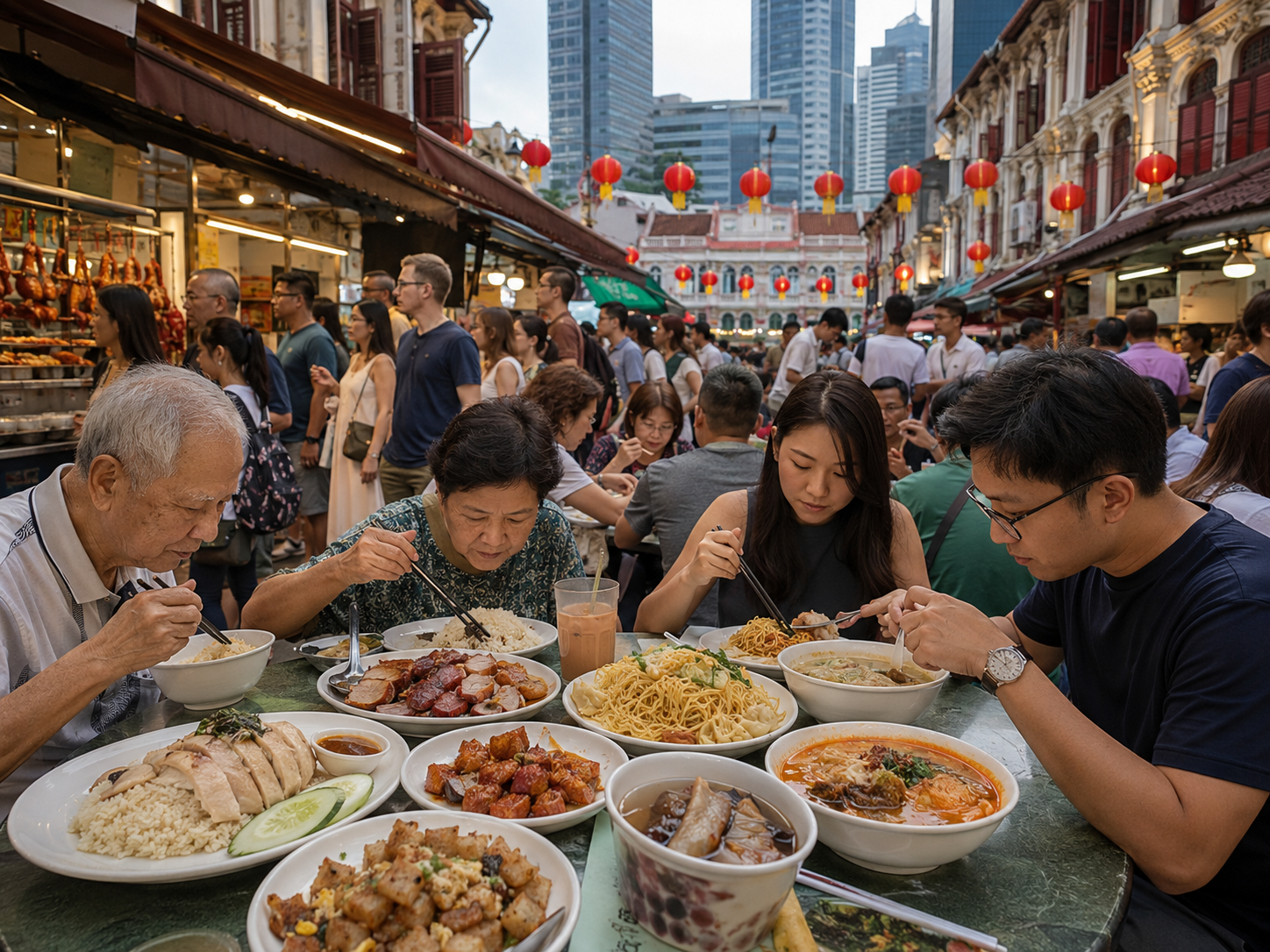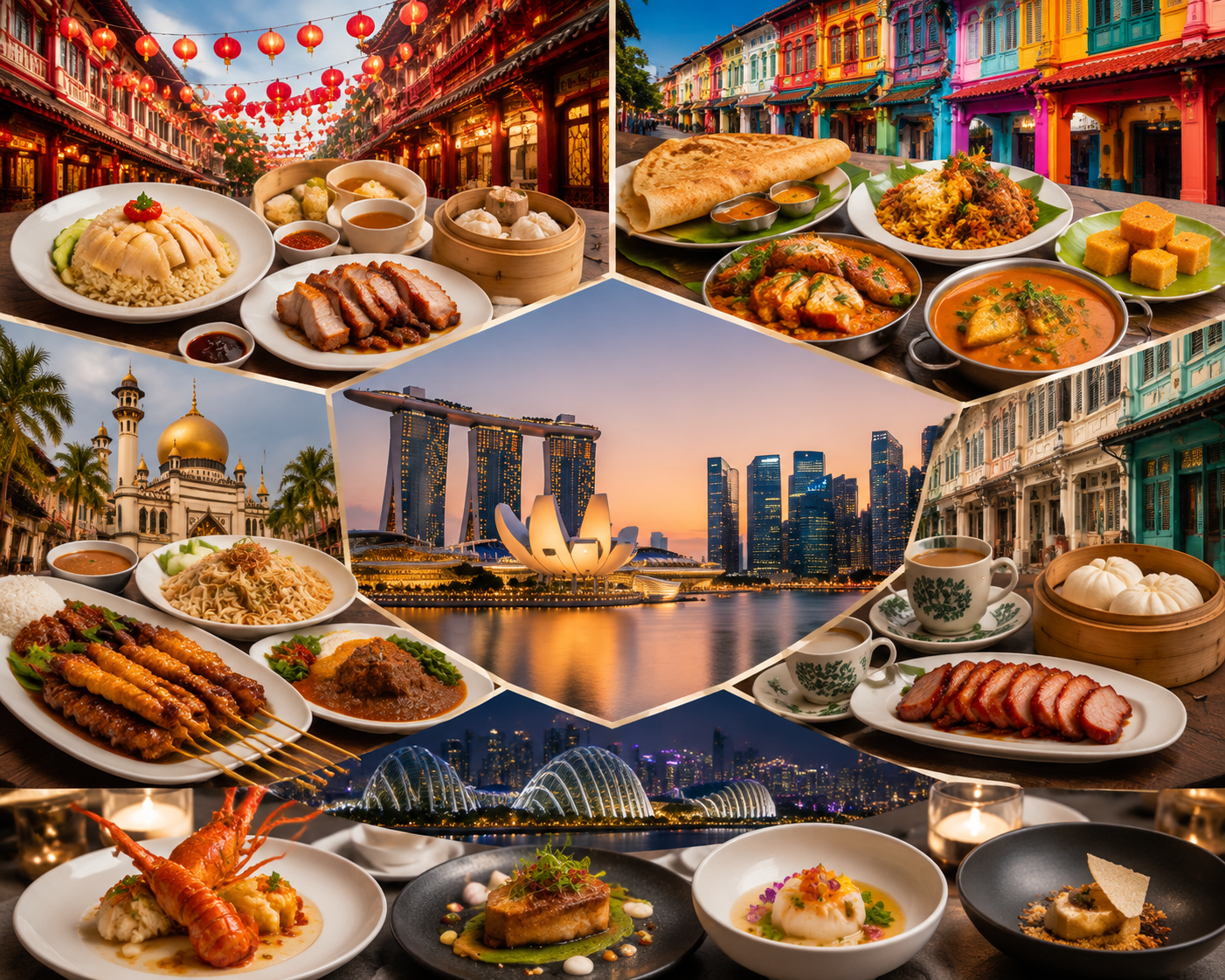
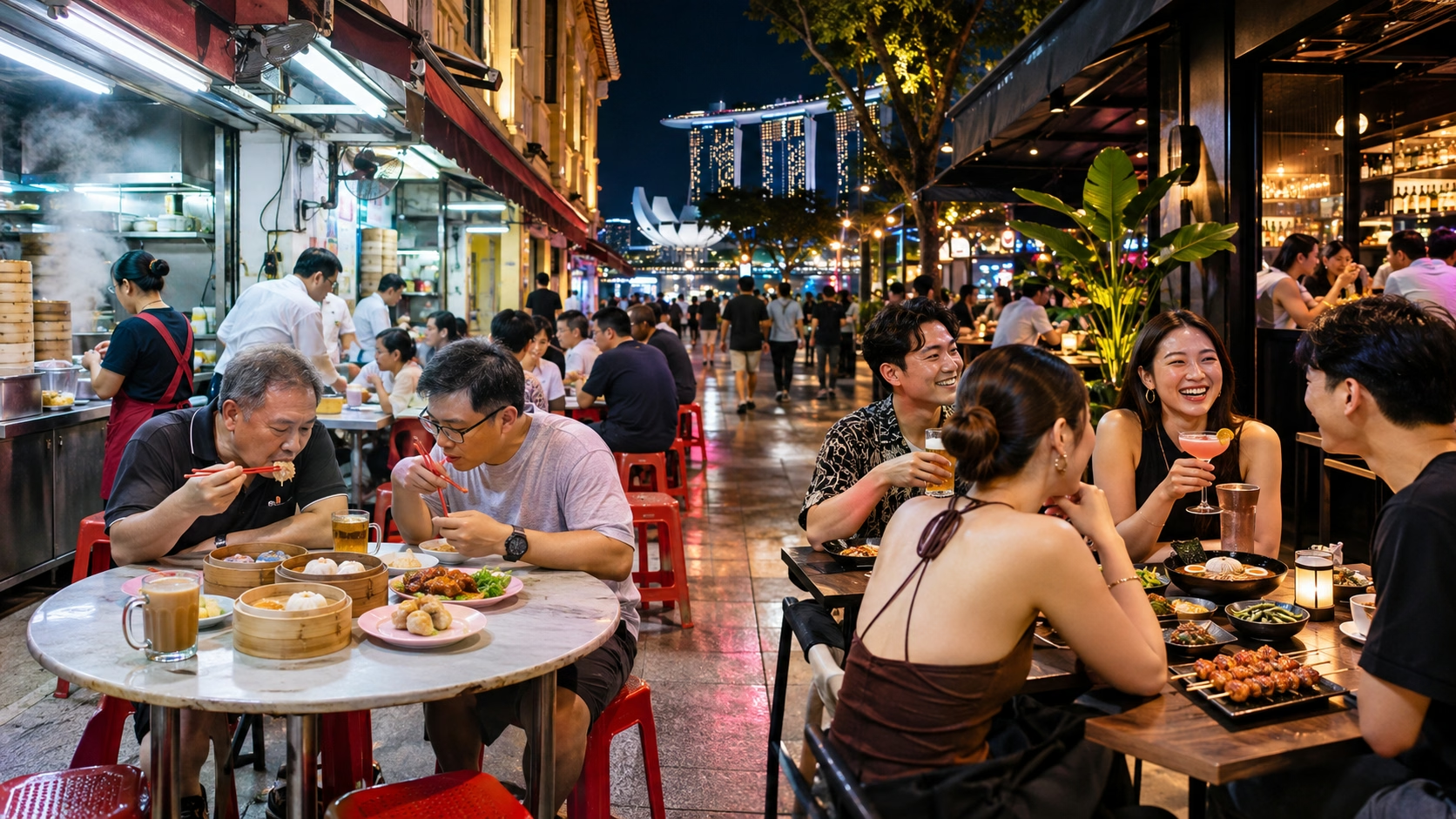
The midnight hour in Singapore once meant one thing: a plastic stool, a fluorescent light, and a plate of something honest and cheap. In 2026, that picture is still real — but it is only half the story. The late-night table has split into two distinct ecosystems that rarely overlap, and understanding that divide is the key to reading the city’s supper culture correctly.
The Enduring Pull of the Old Guard
Walk into Jalan Besar at 1am and the old rhythm persists. Swee Choon Tim Sum, a Jalan Besar institution since 1962, now opens seven days a week and stretches its weekend service until 4am, with last orders at 3:30am. Beach Road Scissors-Cut Curry Rice keeps its queue moving past 2:30am, serving pork chop and braised cabbage at prices that have not lost touch with reality. These are not nostalgia acts. They are functioning infrastructure for shift workers, taxi drivers, and anyone who needs calories rather than a concept.
The Rise of the Considered Late-Night Kitchen
Alongside this, a newer category has taken root. As one industry guide puts it, late-night eating in Singapore has “quietly grown up” — kitchens now stay open specifically to catch the crowd leaving bars and restaurants, serving grilled skewers, ramen, and small plates designed to be shared over one more drink. These operations treat the late hour as an opportunity, not an afterthought. Their menus are built for the hour, their staffing is deliberate, and their drinks lists are not an afterthought.
What Changed Beneath the Surface
The split did not happen in a vacuum. Traditional nightlife footfall has thinned — long-time supper stalwart Nana Original Thai Food, once a 24/7 operation in Clementi and Kallang, now closes between 9:30pm and 4am after footfall dropped by roughly half. At the same time, a broader mix of diners now occupies the late-night window: people leaving a late dinner reservation, couples who stayed too long at a bar, groups closing out a birthday that began hours earlier. This crowd has more spending power and higher expectations than the traditional supper set.
Two Economies, One City
The result is not the death of the hawker supper. It is the emergence of two parallel late-night economies. The $5 plate and the $50 small-plate menu serve different hungers, different hours, and different versions of the same city. The mistake is to treat one as the future and the other as the past. In 2026, both are the present — and the supper culture that emerges from their coexistence will be more layered than anything Singapore has eaten after dark before.