The Living Flavor of Chinatown in 2026
Singapore’s Chinatown in 2026 is more than a historic district; it is a living newsroom of flavor. Every stall, clan association street, temple-side café, and late-night noodle shop tells a story about migration, survival, trade, and reinvention. For travelers searching for authentic Singapore food, Chinatown remains one of the most reliable entry points into the country’s multicultural culinary identity.
The area’s official tourism profile, available through Visit Singapore at https://www.visitsingapore.com/see-do-singapore/places-to-see/chinatown/, continues to position Chinatown as a key cultural district. That context matters because the food here is not simply served; it is rooted in neighborhoods such as Kreta Ayer, Telok Ayer, Tanjong Pagar, and Bukit Pasoh, where old shophouses and new dining concepts now share the same foot traffic.
Hawker Centres Still Define the Experience
Chinatown Complex Food Centre as the Main Stage
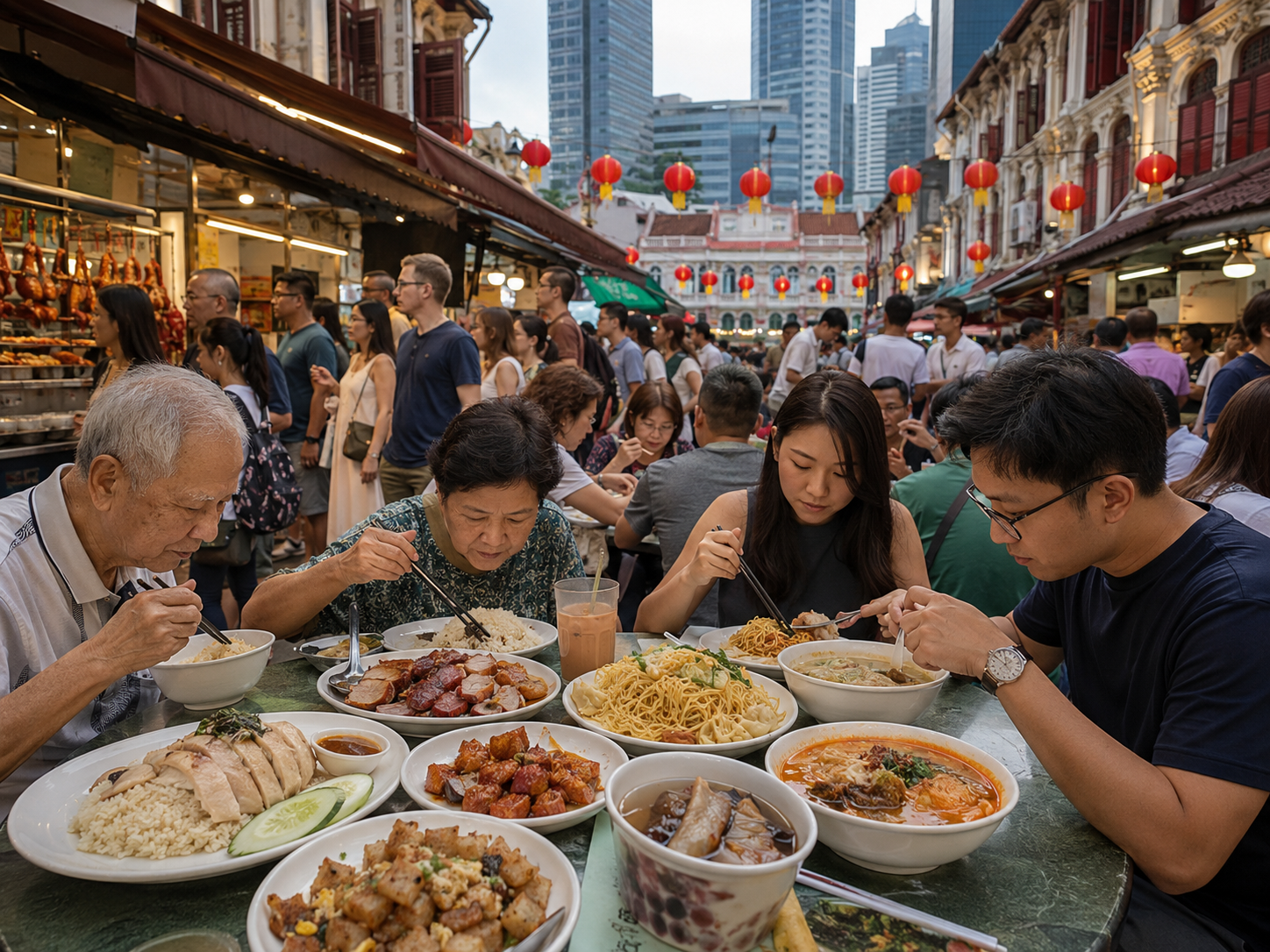
The strongest symbol of Chinatown’s culinary life remains Chinatown Complex Food Centre. Known for its dense concentration of hawker stalls, it gives visitors a practical way to taste Singapore’s everyday food culture without the distance often created by fine dining. Here, a bowl of fishball noodles, soy sauce chicken rice, char kway teow, or Hainanese curry rice is not a tourist prop. It is lunch for office workers, breakfast for elderly residents, and a discovery route for food-focused travelers.
In 2026, the hawker scene is also shaped by a visible tension: long queues still validate tradition, while rising costs and succession issues challenge older stallholders. Younger hawkers entering the trade often use digital menus, cashless payments, and cleaner branding, but the best of them keep the essential discipline of wok heat, broth depth, and patient preparation.
Iconic Dishes That Carry Cultural Memory
Chicken Rice, Noodles, and Roasted Meats
Chinatown’s most recognizable dishes are not always rare, but they are revealing. Soy sauce chicken rice reflects Cantonese technique: glossy skin, tender meat, and a savory-sweet braising profile. Wanton noodles show how texture can define a dish, with springy noodles, roasted char siu, and dumplings balanced by chili and pickled green chilies. Roasted duck and pork stalls remain important because they preserve a craft that depends on timing, fire, and knife skill.
Street Snacks and Dessert Culture
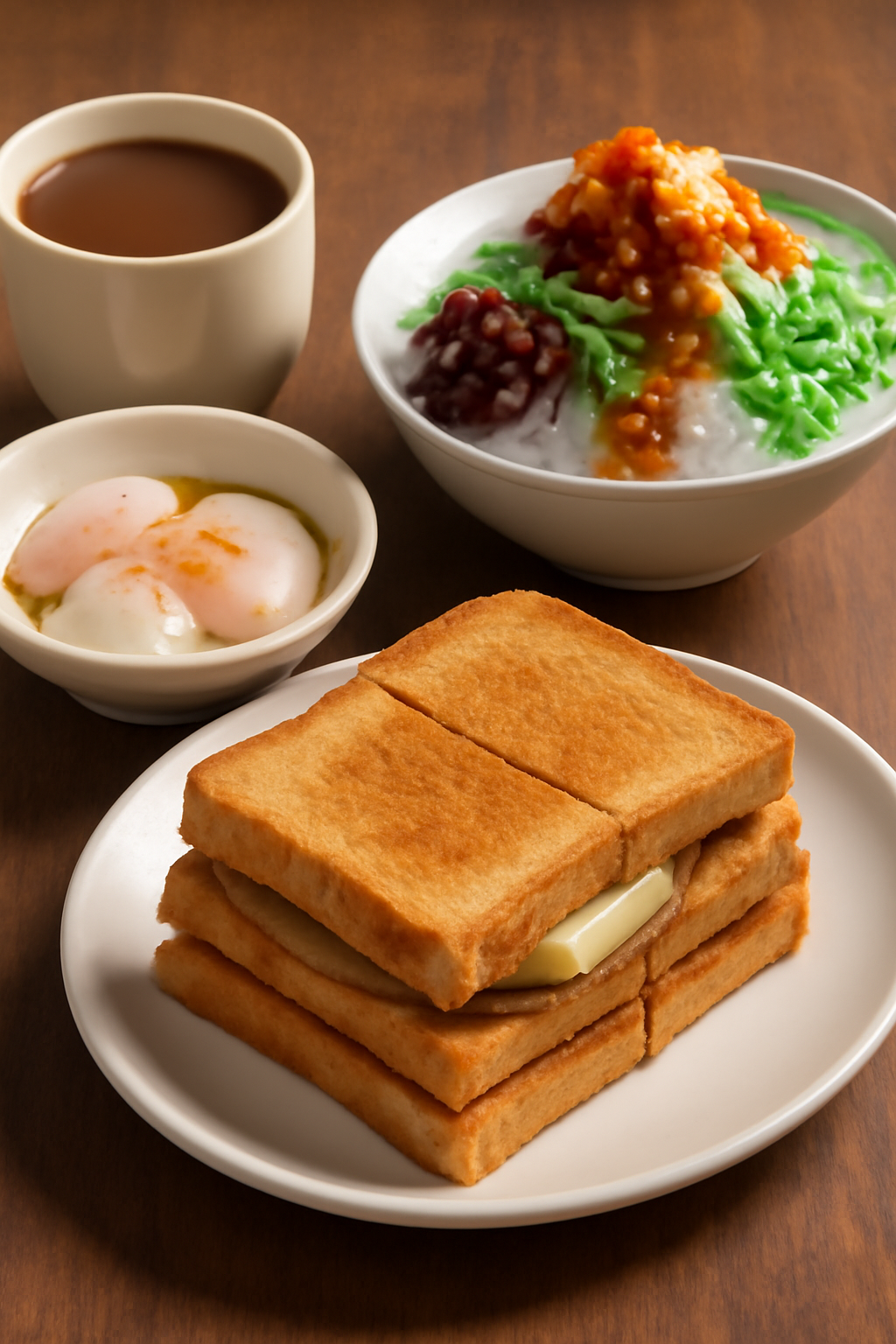
Beyond main meals, visitors should pay attention to egg tarts, kaya toast, peanut pancakes, traditional pastries, and cold desserts. These smaller items capture Chinatown’s slower rhythm. They are often found near bakeries, tea shops, and side streets where older customers still buy familiar flavors rather than trending food.
A Modern Food District, Not a Museum
Chinatown in 2026 is not frozen in nostalgia. Around Keong Saik Road, Club Street, and Ann Siang Hill, the culinary language becomes more experimental. Modern Asian restaurants, cocktail bars, specialty coffee shops, and contemporary dessert studios attract younger Singaporeans and international visitors. The result is a district where a traveler can eat hawker noodles at noon and book a creative tasting menu by evening.
This mix is what makes Chinatown valuable for Google Discover-style travel readers: it offers a real-world contrast between heritage and renewal. The current story is not simply “where to eat,” but how Singapore protects its edible heritage while allowing new chefs to reinterpret it.
What Visitors Should Know Before Eating Here
The best way to explore Chinatown is to avoid treating it as a checklist. Start early at a hawker centre, walk through temple streets before lunch, and return after sunset when the district’s mood changes. Carry a cashless payment option, but keep small cash available because not every stall operates the same way. Most importantly, follow local behavior: queue patiently, reserve seats respectfully, and return trays where required.
Singapore’s Chinatown remains one of Asia’s most layered food destinations in 2026 because it does not separate heritage from daily life. Its iconic dishes still matter because people continue to eat them, argue about them, improve them, and pass them down.