When 220,000 Fans Become a Macroeconomic Event
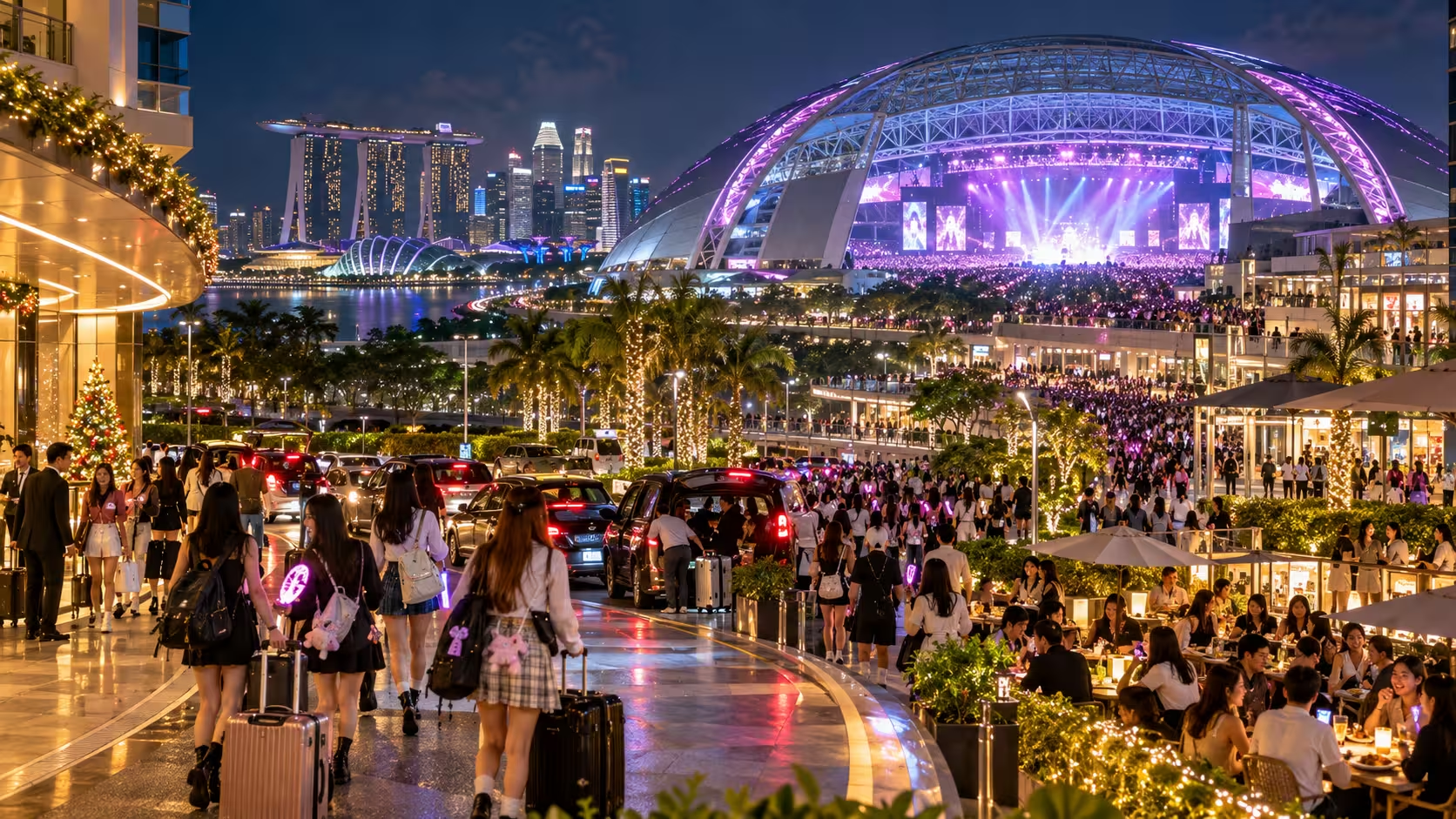
Four nights at the National Stadium. Approximately 55,000 seats per show. A potential 220,000 attendances concentrated into a single December week. But the real story of BTS’s ARIRANG tour stop in Singapore is not the stadium capacity—it is the speed at which hotel bookings have already surged. According to Trip.com Singapore, hotel bookings for the concert period have climbed more than 18-fold compared to the same window last year, while accommodation searches have spiked dramatically. Booking.com reported a 103 percent year-on-year increase in searches for Singapore stays between 16 and 23 December, with the strongest demand originating from the Philippines, Japan, Australia, Indonesia, and India.
The S$200–300 Million Question
DBS economist Chua Han Teng estimates the four BTS shows could add roughly S$200 million to Singapore’s tourism receipts in Q4 2026. Maybank’s Chua Hak Bin offers a bolder projection of about S$300 million, arguing the impact could rival Taylor Swift’s 2024 Singapore exclusivity. Those numbers matter because they are not confined to ticket sales. International visitors paying for flights, hotels, meals, local transport, shopping, and attractions create a distributed economic footprint that extends far beyond the stadium gates.
Why December Timing Is Strategically Brilliant
December is already Singapore’s most visually festive period, but hotel occupancy historically softens as residents travel abroad. The BTS concerts are positioned to fill that demand trough, bringing additional customers to hotels, F&B outlets, and retailers during what would otherwise be a quieter stretch. The festive atmosphere may also encourage visitors to extend their stays, turning a concert trip into a multi-day city holiday.
The Swiftonomics Precedent
The comparison to Taylor Swift is unavoidable. Her six exclusive Eras Tour shows in Singapore generated a one-day equivalent economic output of approximately USD72.45 million and about USD1,449 per spectator—a higher per-capita yield than Coldplay’s Jakarta concert, which produced roughly USD680 per attendee. Singapore’s value-intensive, tourism-oriented concert model consistently extracts more economic value per visitor than scale-driven markets. BTS’s December residency will test whether that model can be replicated without the exclusivity clause that defined the Swift moment.
What to Watch Beyond the Stadium
Merchandise sales, fan meetups, and branded activations are expected to create additional spending layers that economists’ headline figures do not fully capture. The Singapore Tourism Board has already framed major concerts as contributors to the destination’s wider tourism performance, not isolated entertainment products. If BTS delivers even the lower S$200 million estimate, December 2026 will cement concert-led tourism as a permanent pillar of Singapore’s experience economy—not a one-off windfall.