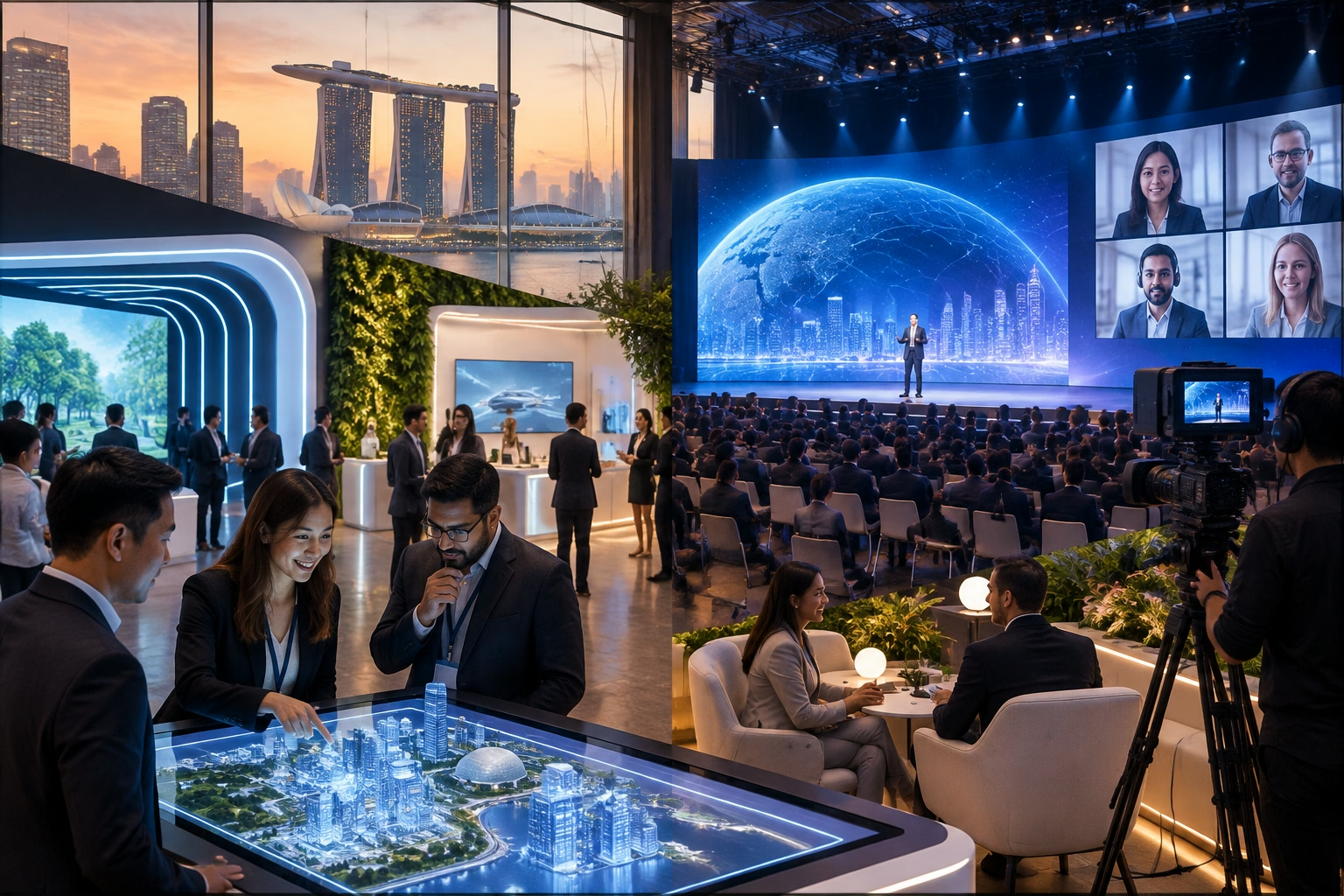
Corporate event planning in Singapore has evolved far beyond ballroom dinners and keynote speeches. In 2026, the city-state’s top event organizers are functioning as strategic partners, blending architectural stage design, real-time engagement analytics, and hybrid delivery models to turn routine corporate gatherings into high-impact brand moments. The demand is driven by multinational companies using Singapore as their regional headquarters, where board meetings, product launches, and investor summits require flawless execution under intense scrutiny.
The Shift Toward Experiential Corporate Design
Gone are the days when a corporate event meant a projector, podium, and printed agenda. Leading organizers such as Pico Group and Kingsmen Creatives now deploy immersive environments—LED tunnels, interactive product demo zones, and sensory branding—to keep delegates engaged for hours. A 2026 industry survey by the Singapore Association of Convention & Exhibition Organisers & Suppliers (SACEOS) found that 78% of corporate clients now prioritize “memorability and shareability” over traditional metrics like attendance numbers. This shift has pushed organizers to hire theatrical directors, user experience (UX) designers, and even game developers to craft journeys rather than schedules.
Hybrid Formats Are Now the Baseline
Singapore’s status as a global business hub means many corporate events must accommodate participants across time zones. Event organizers have responded by building permanent hybrid studios within venues like Marina Bay Sands Expo and Suntec Singapore. These studios feature robotic cameras, AI-powered auto-tracking, and low-latency streaming platforms. For example, the 2026 Asia-Pacific Tech Leadership Forum, organized by Constellar, hosted 2,300 physical delegates and 11,000 virtual attendees simultaneously, with real-time polling and breakout rooms managed through a single app. Organizers now charge a premium for “phygital” production—combining physical and digital—because it requires double the creative and technical manpower.
Data-Driven Personalization for ROI
Corporate clients in Singapore demand proof that their event budget generated value. Organizers now embed RFID badges, facial recognition check-ins, and heat-mapped floor analytics to track attendee movement, session popularity, and networking intensity. Post-event dashboards deliver granular insights: which keynote sparked the most LinkedIn shares, which booth held average dwell time above four minutes, and which delegates expressed buying intent through app-based surveys. According to a 2026 report by the Singapore Economic Development Board, corporate event organizers using advanced analytics reported a 32% higher client retention rate compared to those relying on traditional feedback forms.
Venue Innovation and Government Support
Singapore’s government actively courts corporate events through the Singapore Exhibition & Convention Bureau (SECB). In 2026, SECB launched a S$15 million “Business Events Resilience Fund” to help organizers integrate sustainable materials and AI-driven logistics. Meanwhile, new venues like the Changi Exhibition Centre’s expanded halls and the upcoming Greater Southern Waterfront event spaces offer flexible floor plans with 5G connectivity and carbon-neutral energy options. Corporate organizers are leveraging these assets to pitch Singapore as the safest, smartest, and most connected destination for executive-level gatherings in Asia.