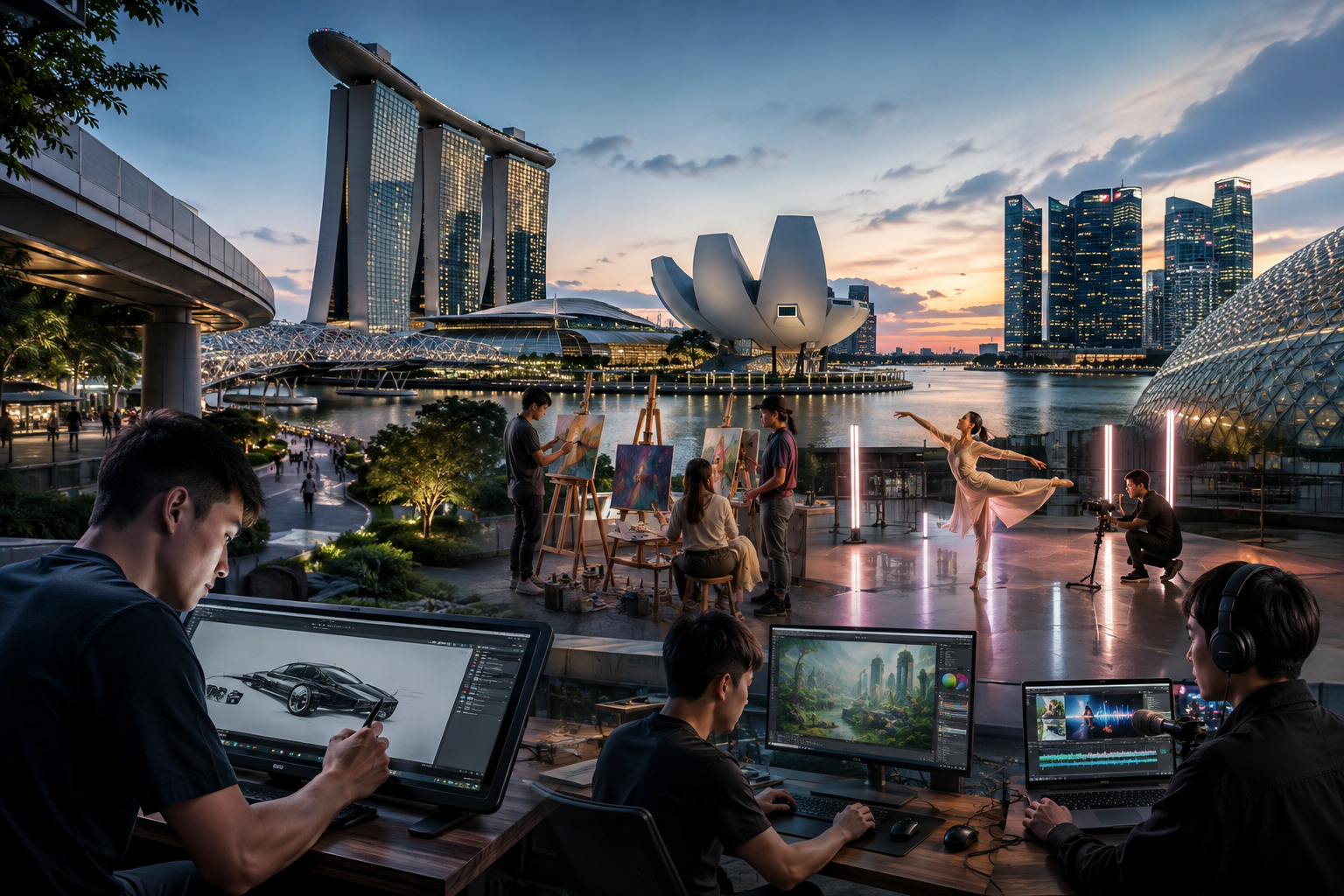
Singapore’s creative economy is no longer a peripheral cultural pursuit. In 2026, designers, artists, and digital content creators form a strategic workforce that strengthens exports, attracts foreign investment, and supports urban innovation. According to the Singapore Department of Statistics’ 2026 creative economy dashboard, the design, arts, and media sectors together contribute approximately S$8 billion in annual value-added and employ more than 150,000 professionals (SingStat).
The Economic Engine of Singapore’s Creative Sector
The contribution of creative work to Singapore’s gross domestic product has become impossible to ignore. Design consultancies, visual arts institutions, and digital media companies all generate measurable income while improving the city-state’s global brand. A practical illustration is the growing number of local studios moving from industrial design into immersive digital art; these firms now secure regional contracts for retail augmented-reality campaigns and virtual production.
Design as a Strategic National Asset
Singapore treats design as an industrial policy tool rather than an afterthought. The DesignSingapore Council funds Good Design Research projects that focus on aging-in-place, circular economy, and smart mobility. Designers are embedded in product development teams at manufacturing firms, fintech startups, and public agencies. In 2026, the National Design Centre has expanded programs on AI-assisted prototyping and inclusive design, enabling local studios to serve Southeast Asian and global clients more effectively.
Arts and Culture as Urban Soft Power
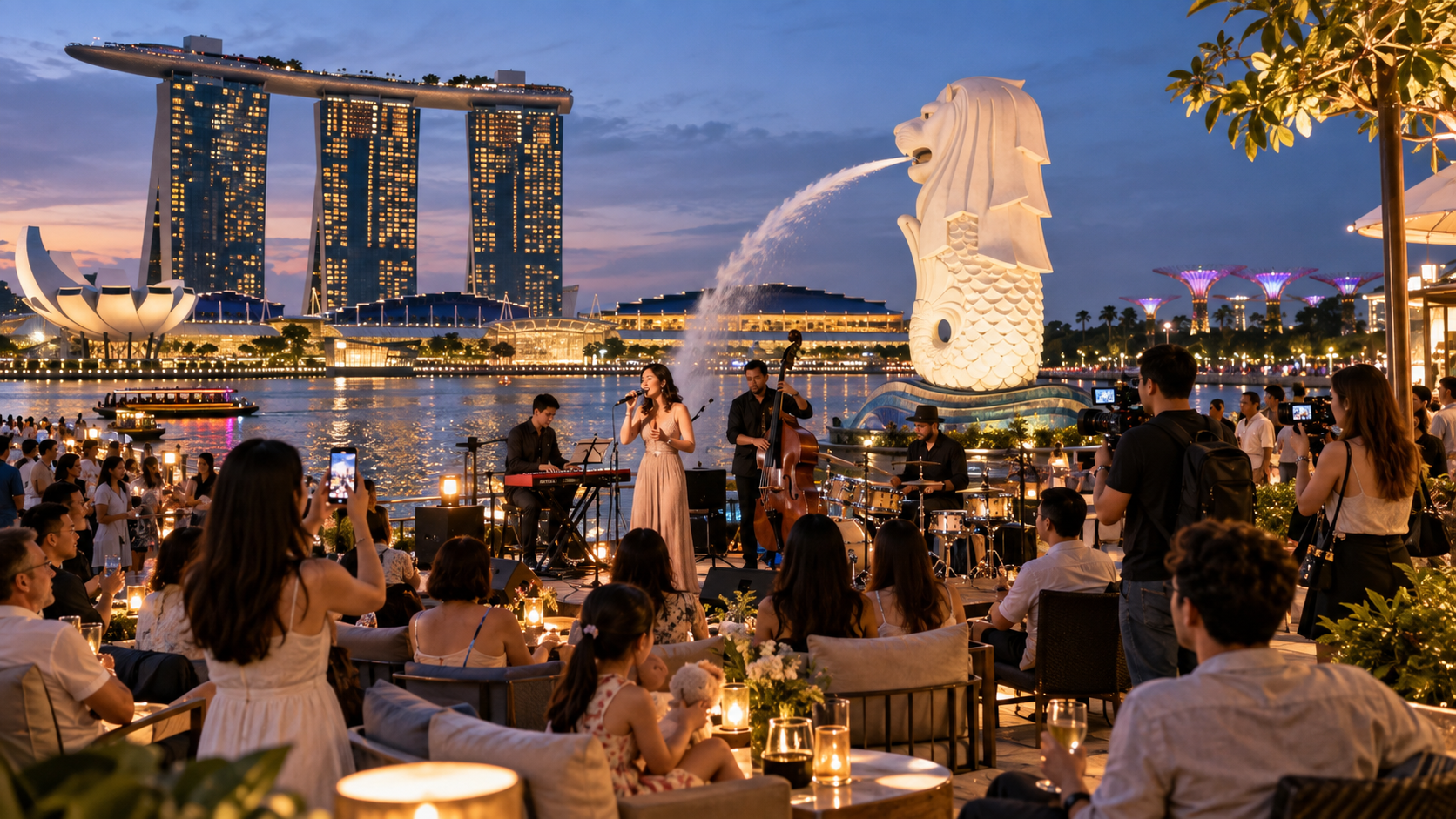
The visual and performing arts generate both revenue and diplomatic influence. ART SG and Singapore Art Week attract international collectors, curators, and critics to Marina Bay Sands and Gillman Barracks. The National Arts Council provides grants for experimental theater, contemporary dance, and interdisciplinary exhibitions. This visibility increases tourism spending and positions Singapore as a cultural gateway between Asia and the world.
Digital Creators and the Platform Economy
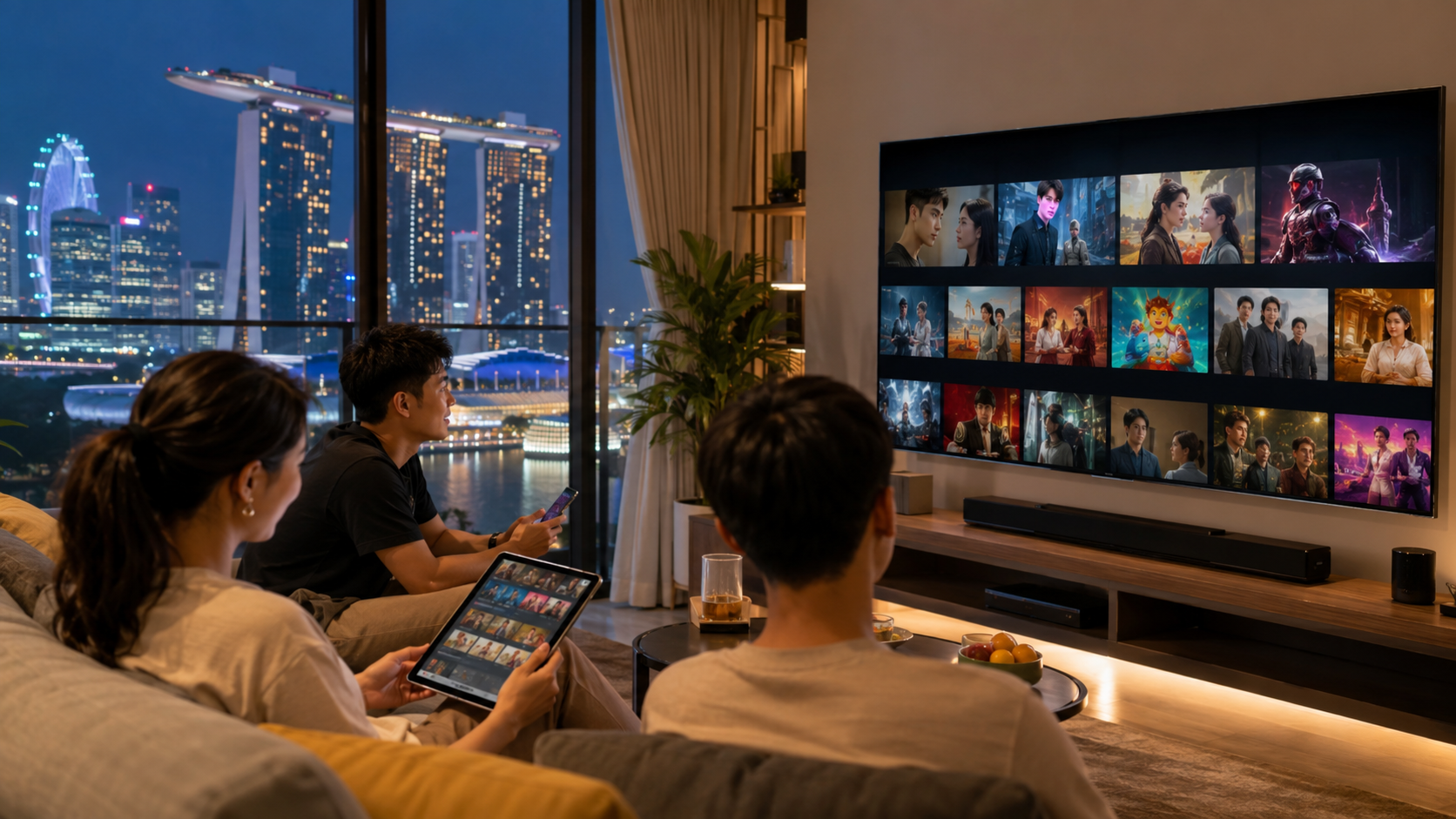
Digital content creation is the fastest-growing segment of Singapore’s creative sector. TikTok, YouTube, and Netflix operate Asia-Pacific hubs in the city-state, giving local creators access to large regional audiences and platform-based monetization. Short-form video, interactive storytelling, and gaming-related content now produce income streams that rival traditional media.
Policy Support and Global Positioning
IMDA’s digital economy programs offer upskilling in generative AI, content strategy, and intellectual property protection. In 2026, the focus has shifted toward responsible AI content creation and cross-border digital trade. Singapore’s strong IP laws and stable regulatory environment make it a preferred base for creator agencies and brand studios. As design, art, and digital media increasingly overlap, practitioners who combine visual storytelling with emerging technology are becoming highly sought after. This cross-disciplinary capability will likely keep Singapore’s creative economy resilient through the next decade.