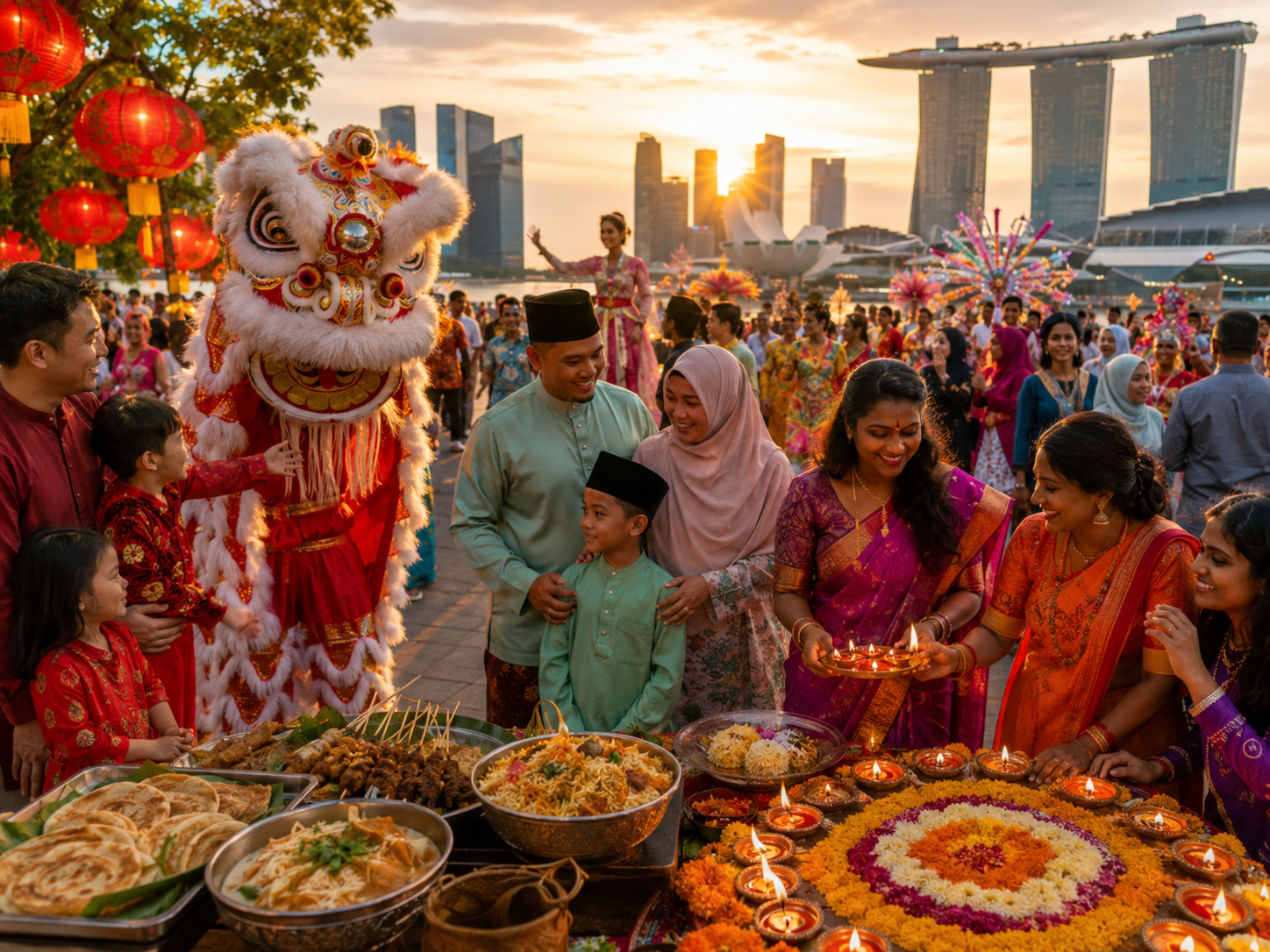
Singapore is often described as a modern global city, but behind its skyscrapers, efficient transport system, and fast-paced urban life lies a rich cultural landscape shaped by many communities. Chinese, Malay, Indian, Eurasian, and other ethnic groups have contributed to Singapore’s identity, creating a society where traditions are not only preserved but also celebrated publicly. Cultural events in Singapore play an important role in showing how diversity can become a source of unity, education, and national pride.
One of the most significant cultural celebrations in Singapore is Chinese New Year. Usually celebrated between January and February, this festival marks the beginning of the lunar calendar. Streets such as Chinatown are decorated with red lanterns, festive lights, and symbolic ornaments representing luck, prosperity, and happiness. Families gather for reunion dinners, exchange mandarin oranges, and give red packets known as hongbao. Public performances such as lion dances and dragon dances attract both locals and tourists, creating a lively atmosphere that highlights Chinese heritage in Singapore.
Another major celebration is Hari Raya Aidilfitri, observed by the Malay-Muslim community after the fasting month of Ramadan. Geylang Serai becomes one of the main cultural centers during this period, with colorful light-ups, bazaars, traditional clothing, and festive food. Dishes such as rendang, ketupat, and kuih are commonly enjoyed during family visits. Beyond religious meaning, Hari Raya also reflects values such as forgiveness, gratitude, generosity, and community bonding.
Deepavali, also known as the Festival of Lights, is an important event for Singapore’s Indian community. Little India becomes especially vibrant during this time, with decorative arches, oil lamps, flower garlands, and street displays. The festival symbolizes the triumph of light over darkness and good over evil. Families clean and decorate their homes, wear traditional clothing, visit temples, and share sweets with relatives and friends. For visitors, Deepavali offers a meaningful opportunity to experience Indian culture through music, dance, food, and religious customs.
Singapore also celebrates Vesak Day, a key Buddhist festival commemorating the birth, enlightenment, and passing of Buddha. Temples across the country hold prayer sessions, candlelight processions, and acts of charity. Many devotees participate in rituals such as offering flowers, releasing symbolic lights, and supporting community welfare activities. This celebration emphasizes compassion, mindfulness, and kindness, values that extend beyond religious boundaries.
In addition to religious festivals, Singapore hosts cultural events that promote artistic expression and intercultural appreciation. The Singapore HeritageFest, for example, allows people to explore the nation’s history through guided tours, exhibitions, performances, and storytelling sessions. It encourages residents and visitors to understand the neighborhoods, traditions, and personal stories that have shaped Singapore’s development.
The Chingay Parade is another spectacular event that reflects Singapore’s multicultural spirit. Originally linked to Chinese New Year celebrations, Chingay has grown into a grand street parade featuring performers from different ethnic and international communities. With colorful floats, dance groups, costumes, and music, the parade represents harmony and creativity in a diverse society.
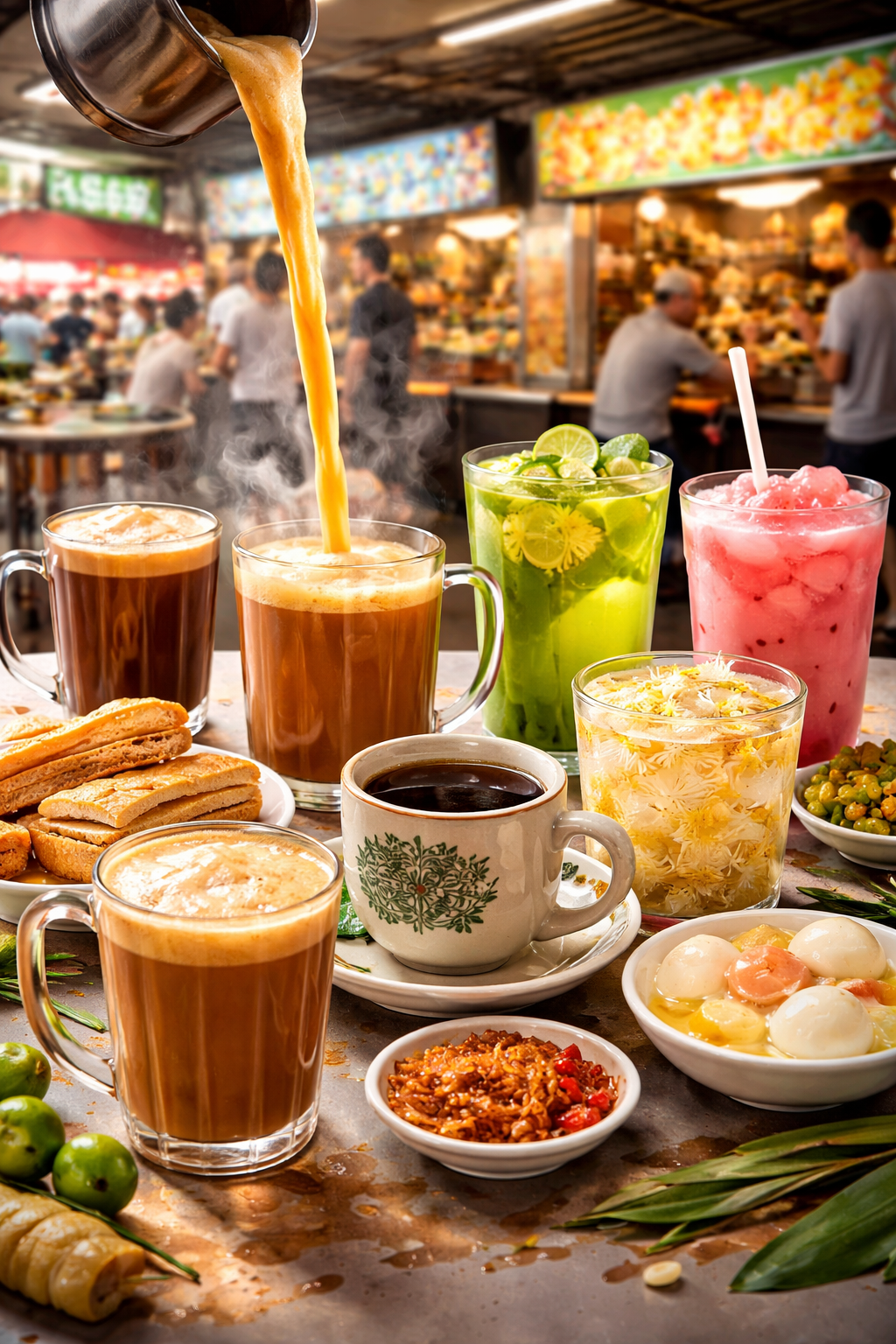
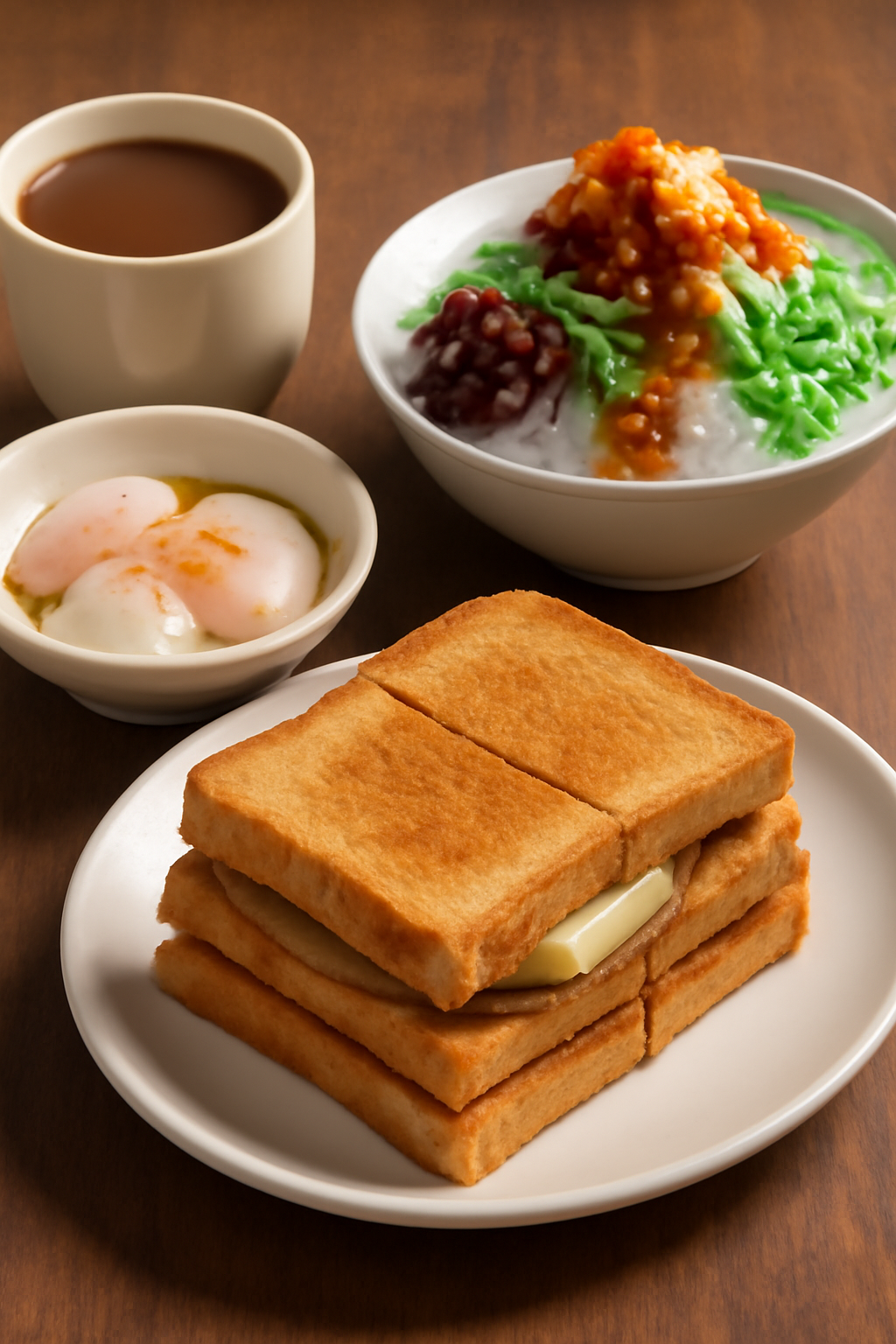
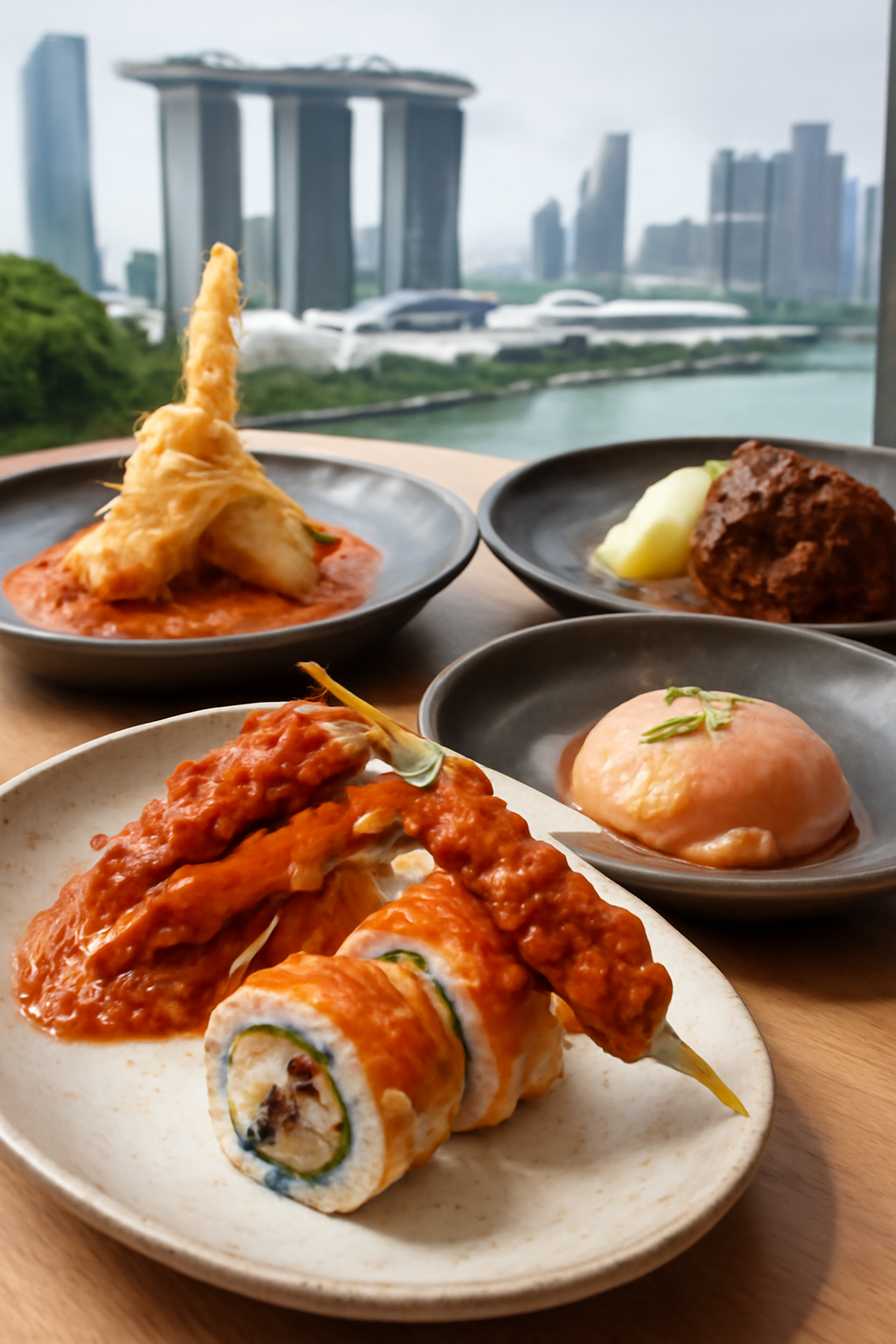
Food also plays a central role in Singapore’s cultural celebrations. Hawker centers and festival markets introduce people to dishes from different communities, such as satay, biryani, laksa, bak kut teh, and roti prata. Through food, people experience culture in an accessible and memorable way. Eating together becomes a form of cultural exchange.
Cultural events in Singapore are more than entertainment. They preserve ancestral traditions, strengthen social bonds, and educate younger generations about their roots. At the same time, they invite people from different backgrounds to participate respectfully in one another’s celebrations. This openness is one of Singapore’s greatest strengths. Through festivals, performances, rituals, food, and shared public spaces, Singapore continues to show that tradition and modernity can exist side by side in a multicultural nation.