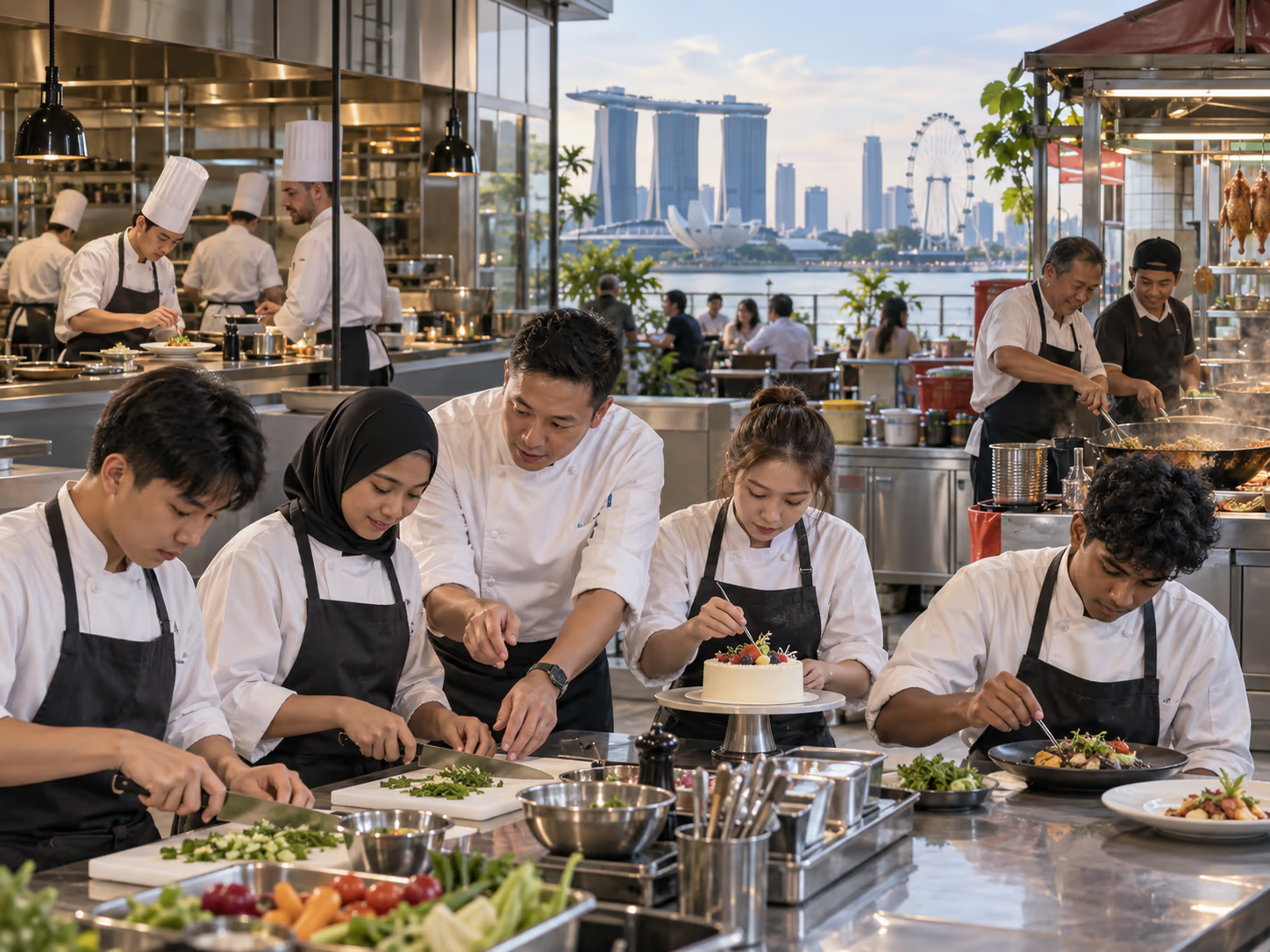
Singapore’s culinary education landscape has evolved into a sophisticated pipeline that channels aspiring cooks from technical institutes to the back doors of Michelin-starred kitchens. The city-state now hosts a dense network of culinary schools, each with distinct specialisations and industry linkages that collectively produce thousands of professional chefs annually.
The Public Pathway: ITE and Polytechnics
The Institute of Technical Education (ITE) serves as the foundational tier. Its culinary short courses cover Asian and Western fundamentals, pastry, nutrition, and sustainable cooking practices, with fees starting at S$152.60 for Singapore citizens and SkillsFuture Credit applicable for eligible learners. For full-time students, the Technical Diploma in Culinary Arts with Restaurant Management is offered at a subsidised annual tuition of S$3,136 for Singapore citizens under 40, inclusive of examination and supplementary fees.
Beyond ITE, polytechnics such as Temasek Polytechnic and Nanyang Polytechnic offer diplomas in culinary science and catering management. The Ministry of Manpower’s qualification framework lists the Asian Culinary Institute (NYP-ACI) as a recognised provider of culinary management qualifications effective from the AY2025 cohort.
Private Academies and Global Accreditation
Private institutions fill the specialised and international-student segment. At-Sunrice GlobalChef Academy, founded in 2001 and located beside Fort Canning Park, holds EduTrust certification and positions itself among the world’s top culinary schools alongside Le Cordon Bleu. Its curriculum integrates Asian flavour foundations with Western techniques and embeds business modules in health cooking, plant-based cuisine, and cost control.
SHATEC, with over 40,000 alumni across more than 60 countries, offers an International Diploma in Culinary Arts that includes a six-month industrial attachment and modules on food sustainability and restaurant service skills for chefs.
Employment Outcomes and Industry Integration
The measurable outcome of this ecosystem is employability. At-Sunrice reports that 38% of its students secure job offers before graduation, 92% find suitable employment within one year, and 40–50% advance to professional chef or entrepreneurial roles within five to ten years. Graduates’ starting salaries average 30% higher than industry newcomers, with over 90% entering star-rated restaurants, international hotels, or self-employment within three months.
This pipeline is reinforced by mandatory paid internships at luxury hotels and Michelin-starred restaurants, where monthly stipends of S$1,600–2,000 help offset living costs while providing real kitchen exposure.
The Hawker Dimension
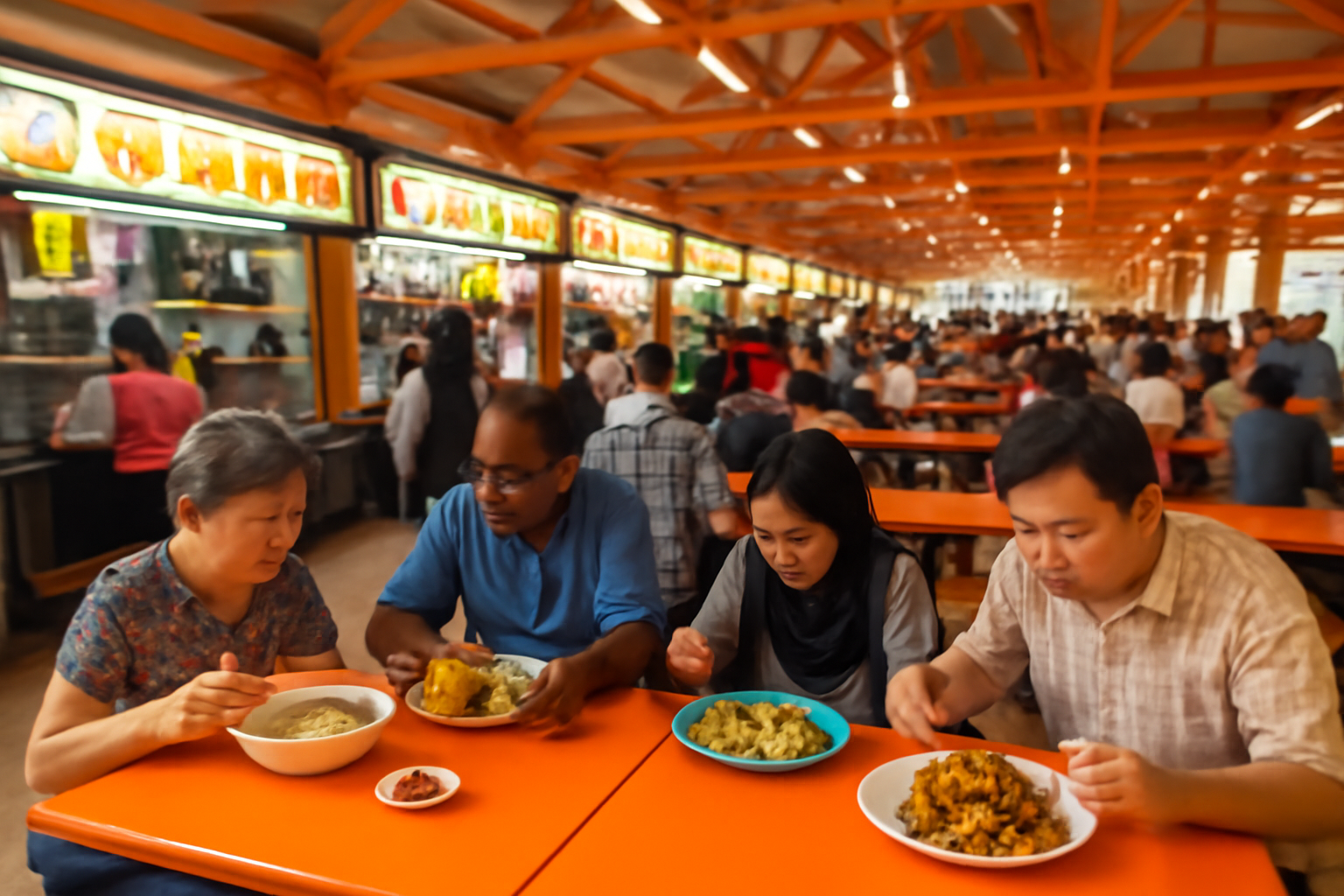
Singapore’s culinary education also extends into its UNESCO-recognised hawker culture. The National Environment Agency’s Hawkers’ Development Programme comprises a five-day training course covering food safety, fundamental cooking techniques, and business planning, followed by apprenticeship and incubation stages. The Hawkers Succession Scheme, updated in August 2026, places potential successors under a three-month apprenticeship with veteran hawkers to learn signature dishes and business operations.
Together, these pathways—technical, private, and heritage-based—form a multi-layered system that sustains Singapore’s reputation as a global culinary hub and a serious destination for professional chef development.