A New Generation Takes the Wok
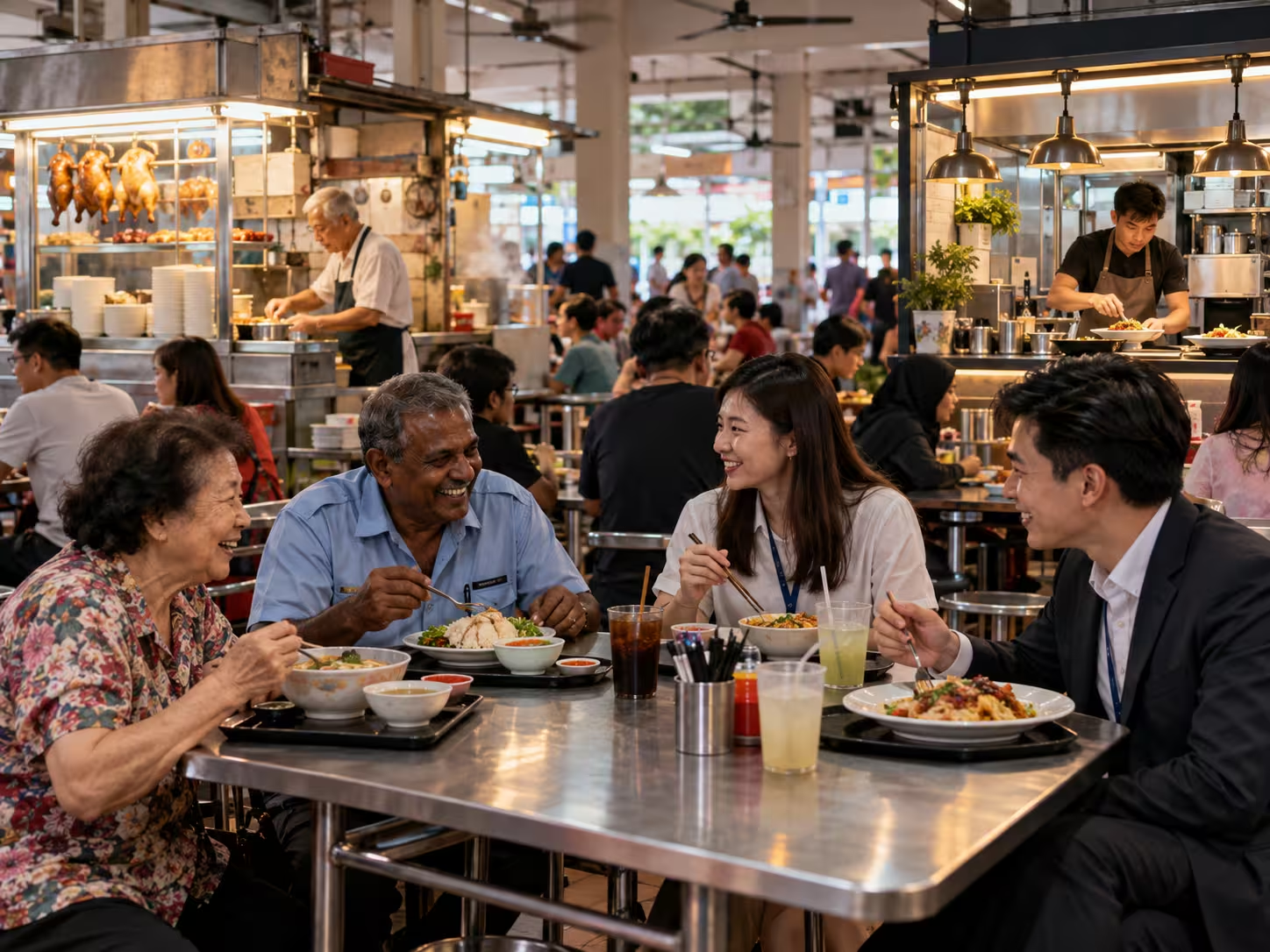
Singapore’s hawker centres, long celebrated as the democratic heart of the city-state’s food culture, are undergoing a quiet but profound transformation. A new wave of young entrepreneurs—dubbed “hawkerpreneurs”—is stepping into the trade, armed with culinary school credentials, digital marketing savvy, and a willingness to challenge convention. According to the National Library Board’s Curiocity portal, these Gen Z hawkers bring a contemporary perspective, “infusing creativity and innovation into traditional dishes”. They are not abandoning heritage; they are reinterpreting it for a new generation of diners.
From Fine Dining to Hawker Centre
One of the most striking trends is the migration of professionally trained chefs into the hawker scene. Take Ducoo, a newly opened pasta stall nestled in the historic North Bridge Road Market & Food Centre. Helmed by young chefs Javier and Ronald, Ducoo serves restaurant-quality Italian dishes at hawker prices. Their Prawn Aglio, priced at S$10.70, features tiger prawns bought fresh from the market daily, tossed in extra virgin olive oil, white wine, and prawn stock. This is not fusion gimmickry—it is a deliberate elevation of the hawker format, proving that affordable food need not mean compromised quality.
Similarly, the 2026 Michelin Bib Gourmand list, which recognises “exceptionally good food at moderate prices,” now includes 97 establishments, with 10 new entrants ranging from heritage hawker stalls to regional restaurants. The list’s 10th edition underscores how the boundary between street food and fine dining has become increasingly porous.
The Economics of Innovation
Yet the path is far from easy. Running an F&B business in Singapore remains brutal. Between January and October 2025, more than 2,400 food outlets shuttered, and of those operating for less than five years, 82 per cent never turned a profit. For young hawkers, the pressures are compounded by rising ingredient costs—operational costs have surged by 20 to 30 per cent due to global supply chain disruptions. The government has responded with rental support packages benefiting approximately 15,200 hawkers and market stallholders, but the structural challenges remain formidable.
A Cultural Imperative
For many young hawkers, the motivation transcends profit. Singapore’s hawker culture was inscribed on UNESCO’s Intangible Cultural Heritage list in 2020, and its value to social cohesion is widely acknowledged. As veteran hawker Debbie Yam, who took over her great-grandfather’s stall, told ABC News: “I like to eat the food here… and where else am I going to find these flavours if the shop is going to be closed down?”. The new generation carries this sentiment forward, blending nostalgia with innovation in a bid to keep the trade alive.