In recent years, social media has become an integral part of Singapore’s entertainment landscape, transforming how people discover, consume, and engage with content. Platforms such as Instagram, TikTok, Facebook, and YouTube have not only amplified the reach of local artists and productions but have also redefined the metrics of popularity in the entertainment industry. The interplay between digital networks and audience preferences has created a dynamic environment where trends can emerge overnight and disappear just as quickly.
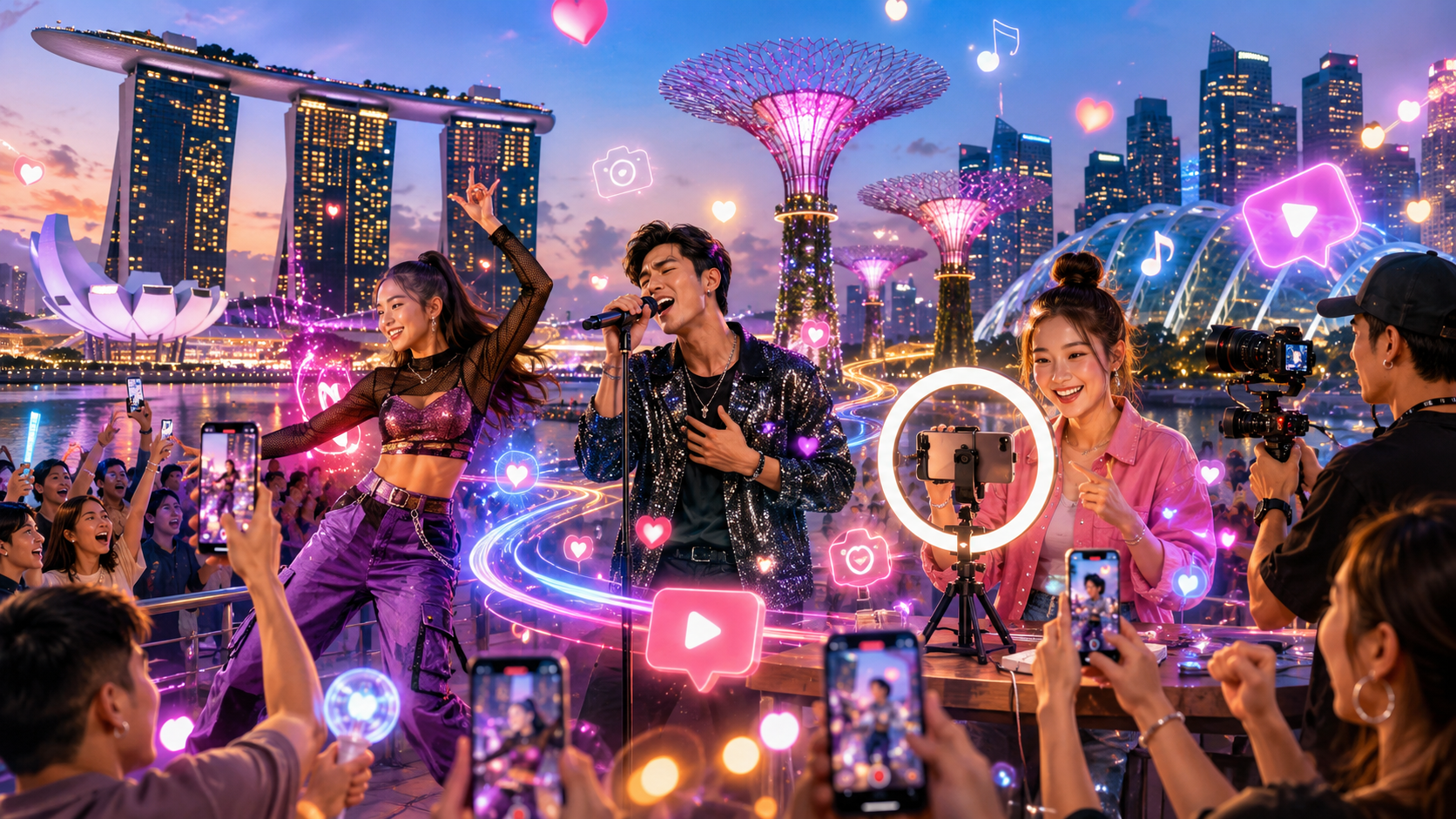
One of the primary impacts of social media on Singaporean entertainment is its ability to accelerate the spread of trends. Viral videos, challenges, and memes often originate on platforms like TikTok or Instagram Reels, capturing the attention of younger audiences who are highly responsive to digital content. For instance, a catchy dance routine or a short clip from a local TV show can gain millions of views in days, leading to broader recognition for the creators involved. This rapid dissemination allows even emerging artists to gain significant exposure without traditional marketing channels, democratizing access to fame.
Moreover, social media offers a space for direct interaction between content creators and their audience. Singaporean musicians, comedians, and influencers use these platforms to engage fans through live streams, Q&A sessions, and behind-the-scenes content. This interaction not only strengthens fan loyalty but also provides creators with real-time feedback on their work. Entertainment producers increasingly rely on these metrics—likes, shares, comments, and engagement rates—to make strategic decisions about which content to promote, ensuring that they align with audience preferences.
The influence of social media also extends to shaping cultural narratives and popular aesthetics. Singaporean trends in music, fashion, and lifestyle are often reflected in online communities, where peer recommendations and user-generated content determine what becomes widely accepted or fashionable. For instance, collaborations between local artists and international influencers can spark cross-cultural appeal, elevating Singaporean entertainment beyond domestic boundaries. Social media analytics allow creators and marketers to track these movements, enabling data-driven content creation that maximizes relevance and engagement.
Furthermore, advertising and brand partnerships have become deeply intertwined with social media presence. Entertainment brands and streaming services leverage influencer marketing to amplify campaigns, often tailoring promotions to the preferences of Singaporean audiences. This strategy has proven effective in increasing visibility and shaping public perception, as consumers are more likely to engage with content endorsed by relatable online figures. Consequently, social media has not only altered the mechanics of promotion but has also contributed to a shift in what is considered “popular” or “trendy.”
Finally, the impact of social media on Singaporean entertainment highlights the increasing importance of digital literacy for both creators and consumers. Understanding algorithms, content curation, and audience behavior has become essential for anyone seeking success in this ecosystem. As platforms evolve, the capacity to adapt to new formats, trends, and user expectations determines the longevity of entertainment projects and artists’ relevance in a fast-paced digital culture.
Overall, social media continues to serve as a powerful driver of visibility, trend-setting, and audience engagement in Singapore’s entertainment sector. By enabling rapid dissemination, fostering interactive communities, and providing actionable insights, it reshapes the way content is created, consumed, and appreciated in one of Asia’s most digitally connected nations.