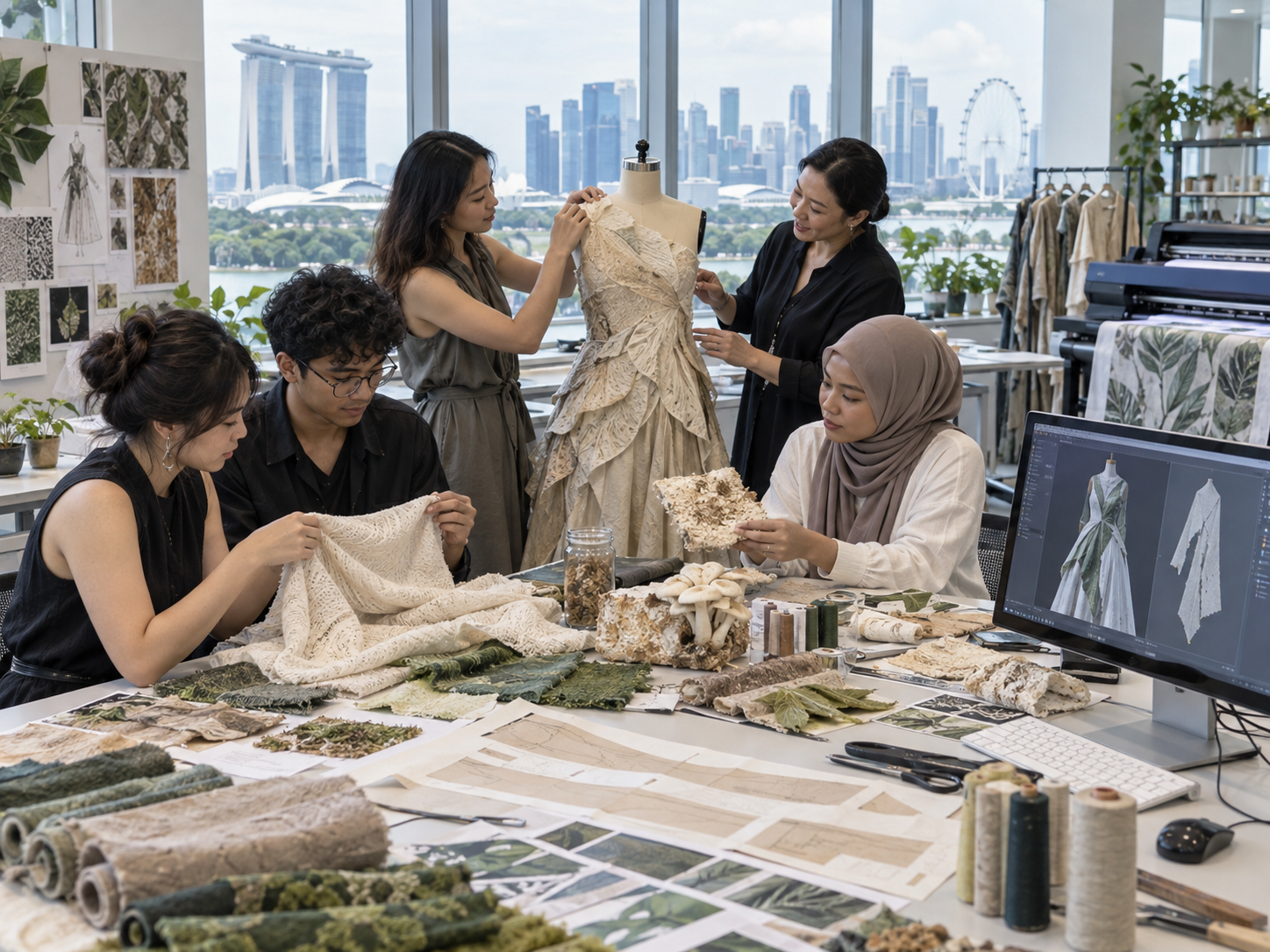
As environmental consciousness reshapes consumer habits globally, Singaporean families are spearheading a quiet revolution in the children’s fashion aisle. The once-dominant pull of inexpensive, mass-produced garments is losing ground to a more deliberate, eco-centric approach. Parents are no longer simply shopping for cute outfits; they are investing in a value system that prioritizes sustainability, longevity, and ethical production.
The Circular Wardrobe Movement Gains Traction
Across the island, swapping events and rental platforms are becoming mainstream. In June 2026, community group Clothes Swap SG partnered with several EtonHouse preschools to host the “Mini Wardrobe Refresh” drive, attracting over 300 families. Parents exchanged gently worn playsuits, party dresses, and school uniforms, effectively diverting an estimated 1.2 tonnes of textiles from incineration. This hands-on approach is complemented by the rise of dedicated kids’ clothing rental services like Rent-A-Drobe Kids, which offers curated subscription boxes for infants and toddlers who outgrow sizes in months. The Singapore Textile and Fashion Federation (TaFF) reinforced this shift by launching the “Circular Kids Fashion” initiative in March 2026, providing grants to local designers who use deadstock fabrics or operate take-back schemes. Such community-driven and institutional support normalizes circularity, turning preloved and rented garments into a socially accepted, even aspirational, choice.
Organic Fabrics and Transparent Supply Chains
Beyond the reuse model, parents are scrutinizing what touches their children’s skin. Demand for GOTS-certified organic cotton, bamboo, and Tencel lyocell has surged. Homegrown brand KIDZLAB opened a pop-up on Orchard Road in early 2026 featuring a fully traceable collection: each garment carried a QR code linking to the exact farm and mill. The entire stock, priced at a premium 30% above conventional kids’ wear, sold out within two weeks. This case underscores a broader market signal. According to the Singapore Childrenswear Market report by Mordor Intelligence (2026 update), the sustainable segment now drives an estimated 22% of the market’s overall value growth, with parents consistently ranking “eco-material” among their top three purchase considerations for the first time.
Reshaping Retail and Education
Major department stores are responding. Tangs and Motherswork have expanded their “Green Kids” sections, while online multi-brand platforms add sustainability filters. Parallel to retail, preschools incorporate clothing sustainability into their curriculum, teaching children to mend instead of discard. The combined effect is a generation of young consumers learning that style and stewardship can coexist. Brands that do not adapt risk alienation; those that embrace transparency, circularity, and natural materials are not only capturing market share but also shaping a new parenting identity in Singapore—one where dressing a child reflects the future they want to build.