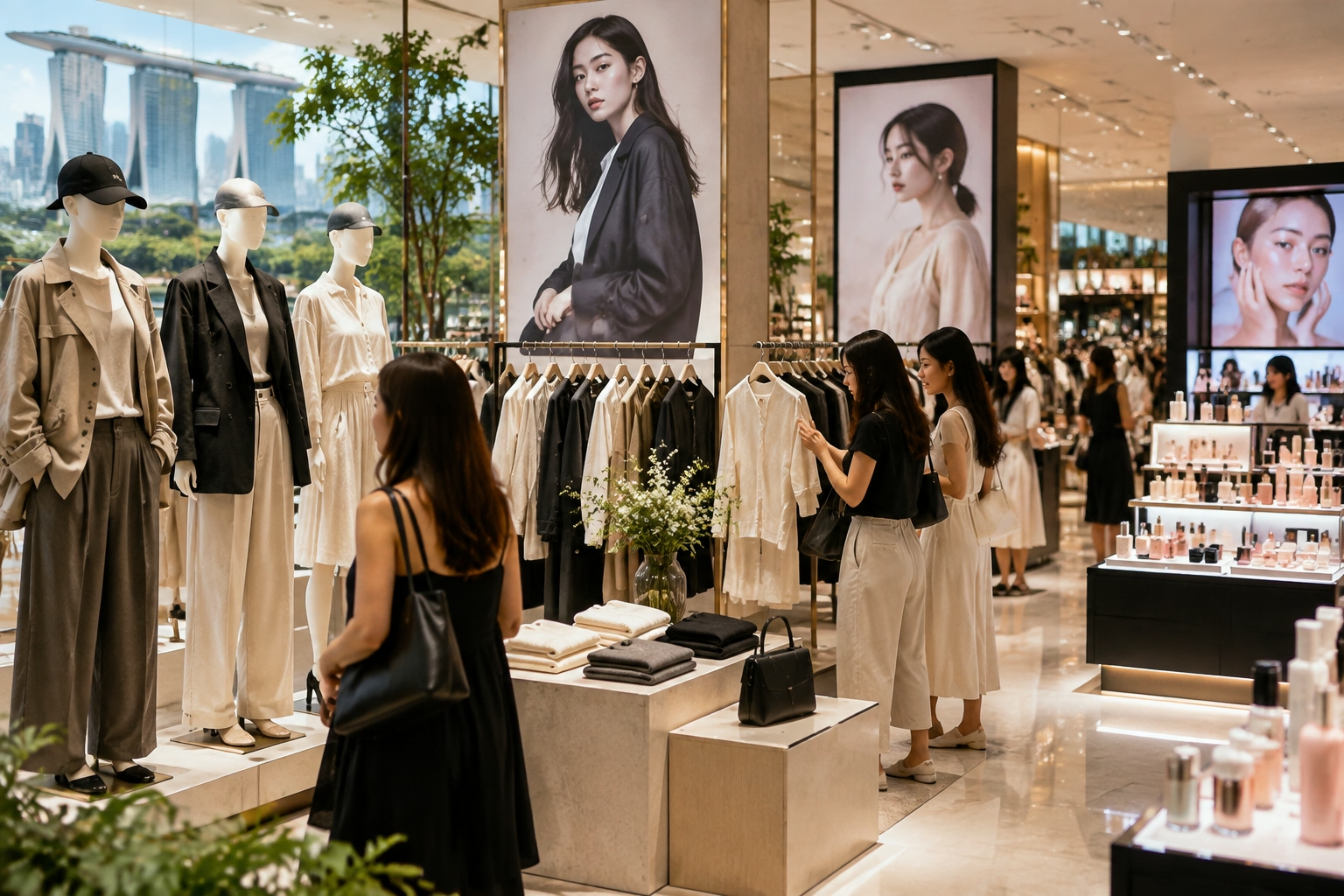
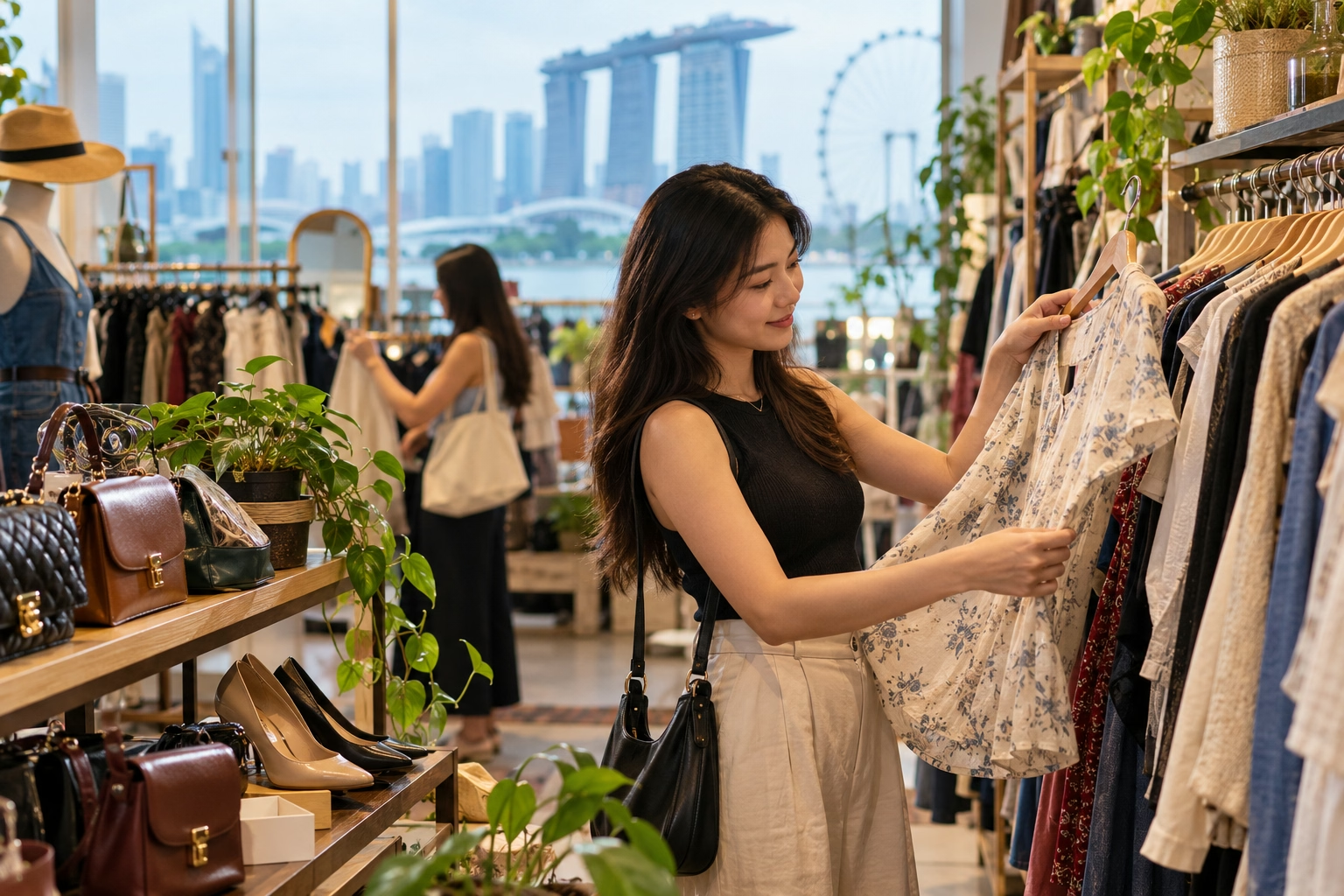
Singapore’s fashion resale scene is no longer a niche corner of e-commerce. In 2026, preloved clothing has moved closer to the mainstream as shoppers balance style, price and environmental awareness. The shift is visible across mobile marketplaces, curated consignment stores and social-commerce channels where buyers trade everything from high-street basics to luxury handbags. What began as a budget-friendly habit has become part of a broader conversation about how Singapore consumes fashion in a resource-constrained region.
A market shaped by value and visibility
The strongest driver is not idealism alone. Resale offers value in a city where housing, transport and daily living costs remain high. Younger shoppers increasingly compare the cost per wear of a second-hand blazer against a new fast-fashion alternative. At the same time, platforms have improved discovery, authentication and logistics, making preloved fashion feel less like a treasure hunt and more like a reliable retail channel. Sellers benefit from clearing wardrobes; buyers gain access to discontinued styles and premium labels at lower entry points.
Trust becomes the real currency
The Singapore resale market still faces friction: condition grading, counterfeit risk and inconsistent sizing. Platforms are responding with seller ratings, escrow-like payment flows, authentication checks and return policies. Physical pop-ups and consignment stores also matter because some consumers want to inspect stitching, fabric and fit before paying. In 2026, the winners are likely to be those that reduce uncertainty rather than simply listing the most items.
Policy context supports the shift
Singapore’s sustainability agenda gives resale a stronger tailwind. The Singapore Green Plan 2030 sets out national priorities for sustainable living and a circular economy, and its public platform remains a reference point for consumers and businesses aligning with greener habits: https://www.greenplan.gov.sg/. Resale does not solve fashion’s environmental footprint on its own, but it extends garment life and reduces demand for new production when practised at scale.
What to watch next
The next phase will be defined by convenience and credibility. Expect more integration between resale and traditional retail, stronger authentication services and more brands testing take-back or trade-in programmes. Social commerce will remain important, but professional operations may pull ahead if they can guarantee faster payouts and clearer quality standards. For Singaporean consumers, the preloved wardrobe is becoming less of an exception and more of a routine choice.