From Dance Floor to Boardroom in Minutes
The most telling detail of Zouk Singapore’s 2026 transformation is not the capacity figure, although 3,500 guests is impressive. It is the wall. Specifically, the movable acoustic walls that now separate the Mainroom, Phuture and Capital, allowing operators to reconfigure the venue for a boardroom presentation in the morning and a headline DJ set at midnight. This is not a cosmetic upgrade. It is an architectural admission that the modern nightclub can no longer survive on a single revenue stream tied to a single daypart.
Zouk’s S$6 million revamp, completed in June ahead of its 35th anniversary, positions the Clarke Quay flagship as a day-to-night venue rather than a nighttime-only destination. CEO Andrew Li has been explicit about the economics: MICE business — meetings, incentives, conferences and exhibitions — books the venue during hours when fixed costs are already sunk. The target is for MICE to contribute 15 to 20 per cent of Zouk Singapore’s revenue within two years, up from roughly 10 per cent today. In a city where nightlife operators face manpower shortages, rising rents and shifting consumer spending, that daylight revenue is not a bonus. It is a buffer.
The Economics of Daylight
The numbers behind the pivot are grounded in a broader shift. Zouk recorded 28 per cent year-on-year growth in total footfall before the renovation and anticipates a further 20 per cent increase post-reopening, driven by enhanced programming and attraction value. But footfall alone does not tell the story. The venue’s new production kitchen, improved acoustic separation and concert-grade audio-visual systems allow it to host multiple concurrent events — a conference with breakout sessions, a VIP reception and a networking area — without one function cannibalising another. That operational complexity is what separates a nightclub with a rental licence from a genuine multifunctional entertainment venue.
Rally Clubhouse and the All-Day Social Space
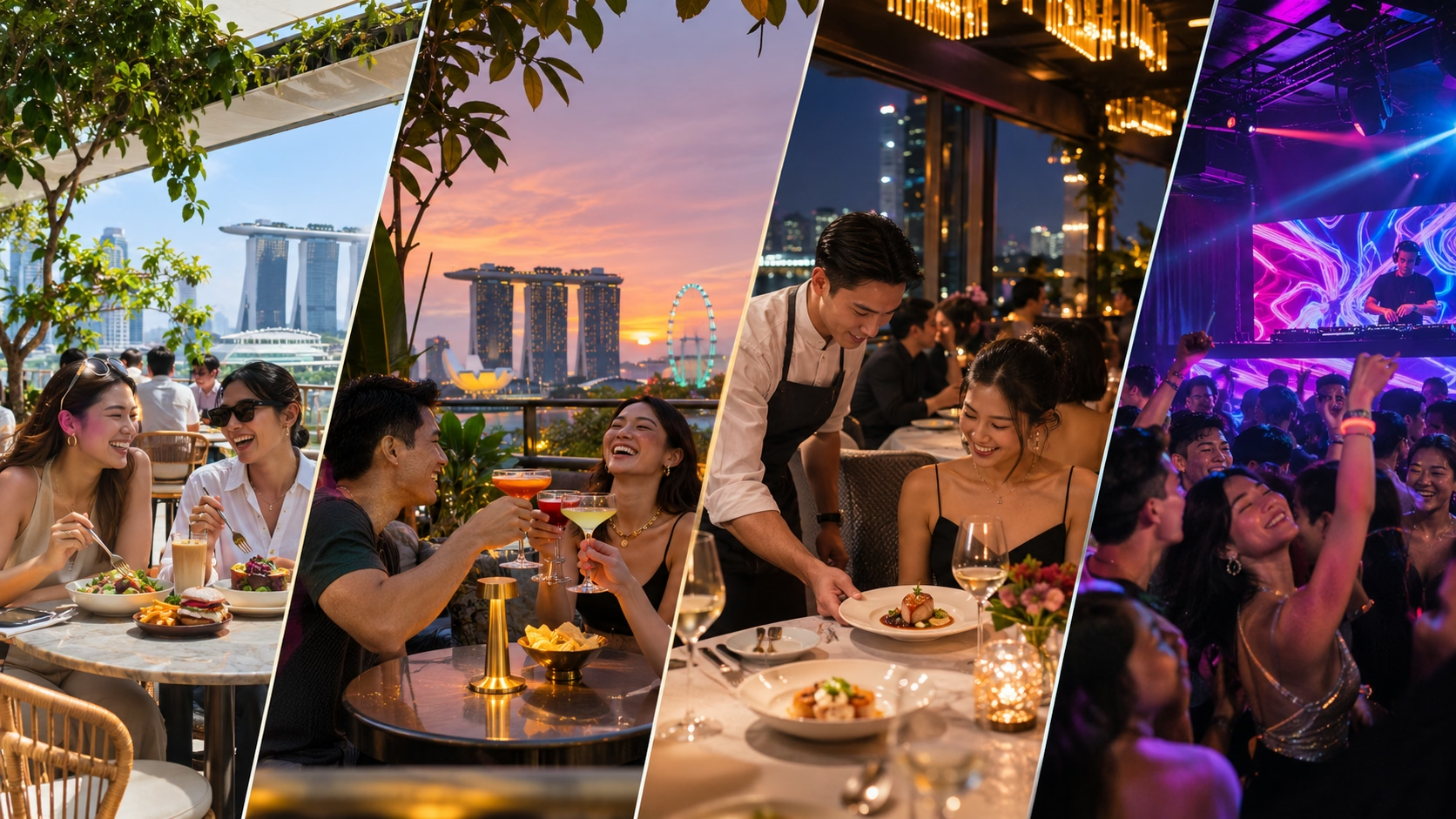
The transformation extends beyond the club floors. Rally Clubhouse, which replaced the former RedTail bar, operates as a café by day, a bar by night and a community space in between. Its 120-seat layout accommodates open-deck DJ sessions, listening parties, flea markets, panel discussions and pet-friendly gatherings. The message is deliberate: Zouk is no longer competing only for the 11pm crowd. It is competing for the 11am coffee meeting, the 6pm after-work drink and the 9pm live set.
What This Means for the Experience Economy
Singapore’s nightlife market is not short of venues. It is short of formats that justify a repeat visit in a city where consumers have abundant choices and finite attention. Zouk’s modular model addresses that scarcity by selling flexibility as the product. An event organiser no longer has to choose between a hotel ballroom and a raw warehouse; the club becomes a third option with built-in atmosphere and technical infrastructure. For an industry often described as being in transition, the Zouk case suggests that the surviving venues will be those that treat the dance floor as one configuration among many — and the building as a platform rather than a genre.