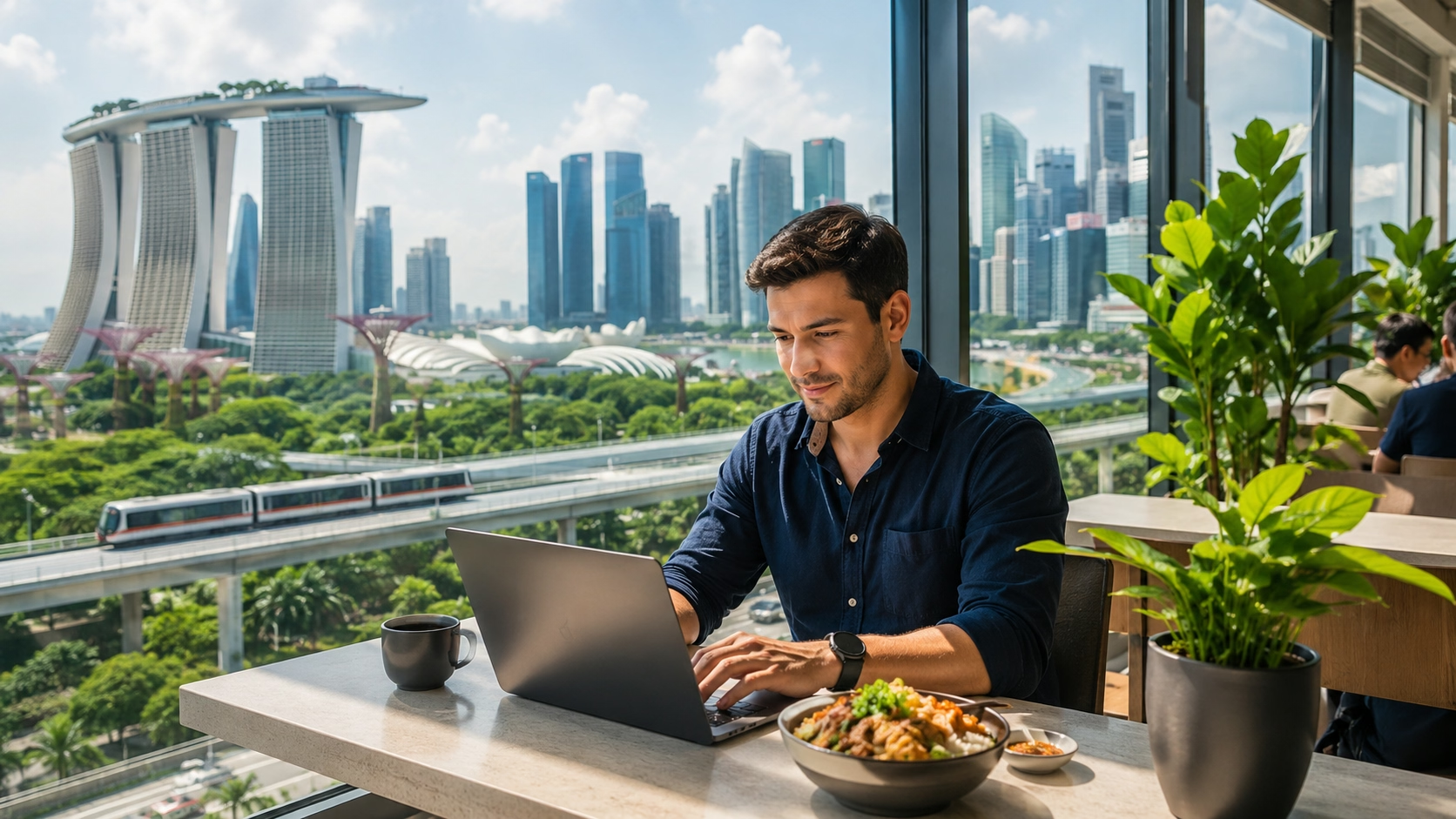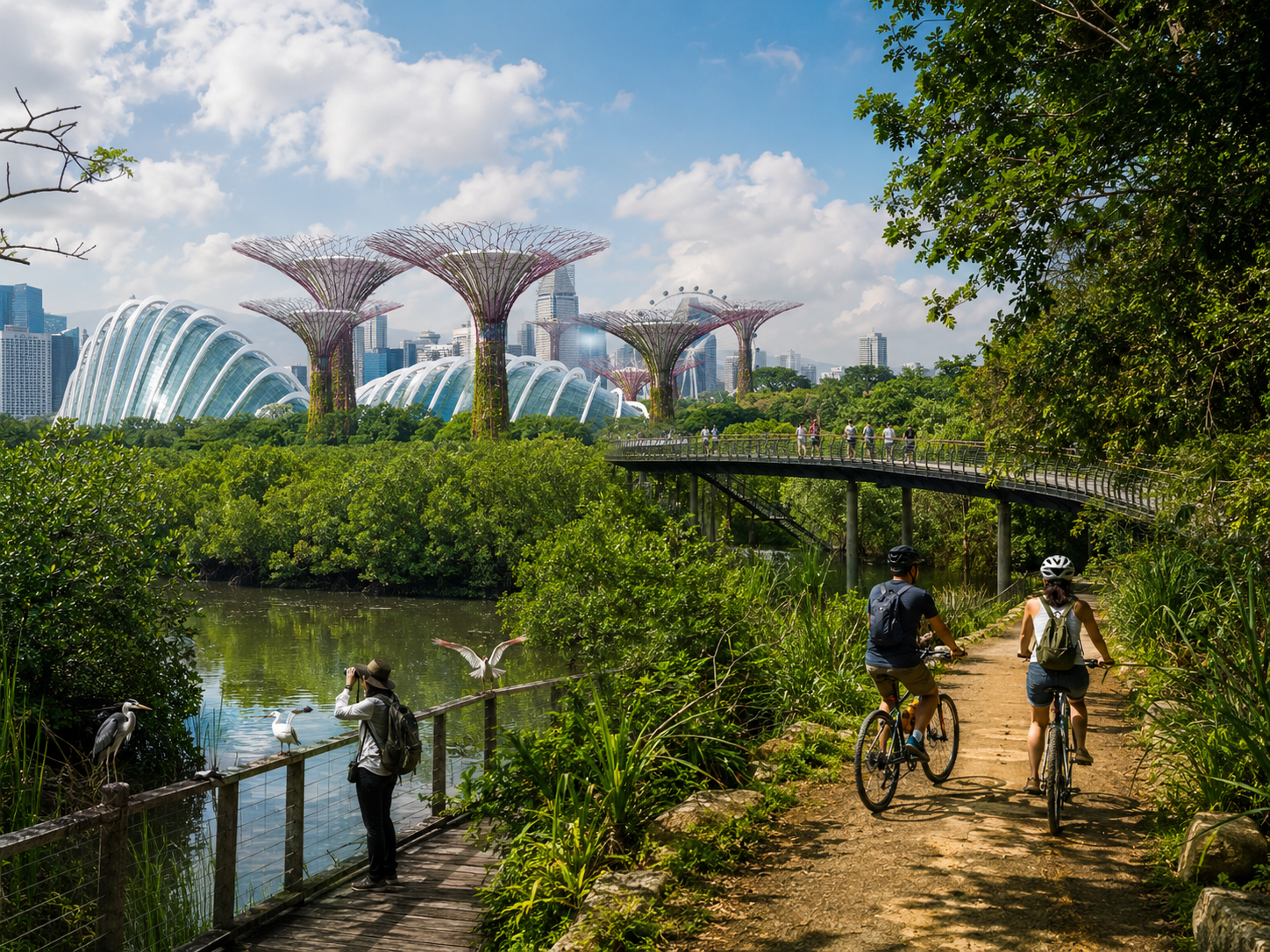
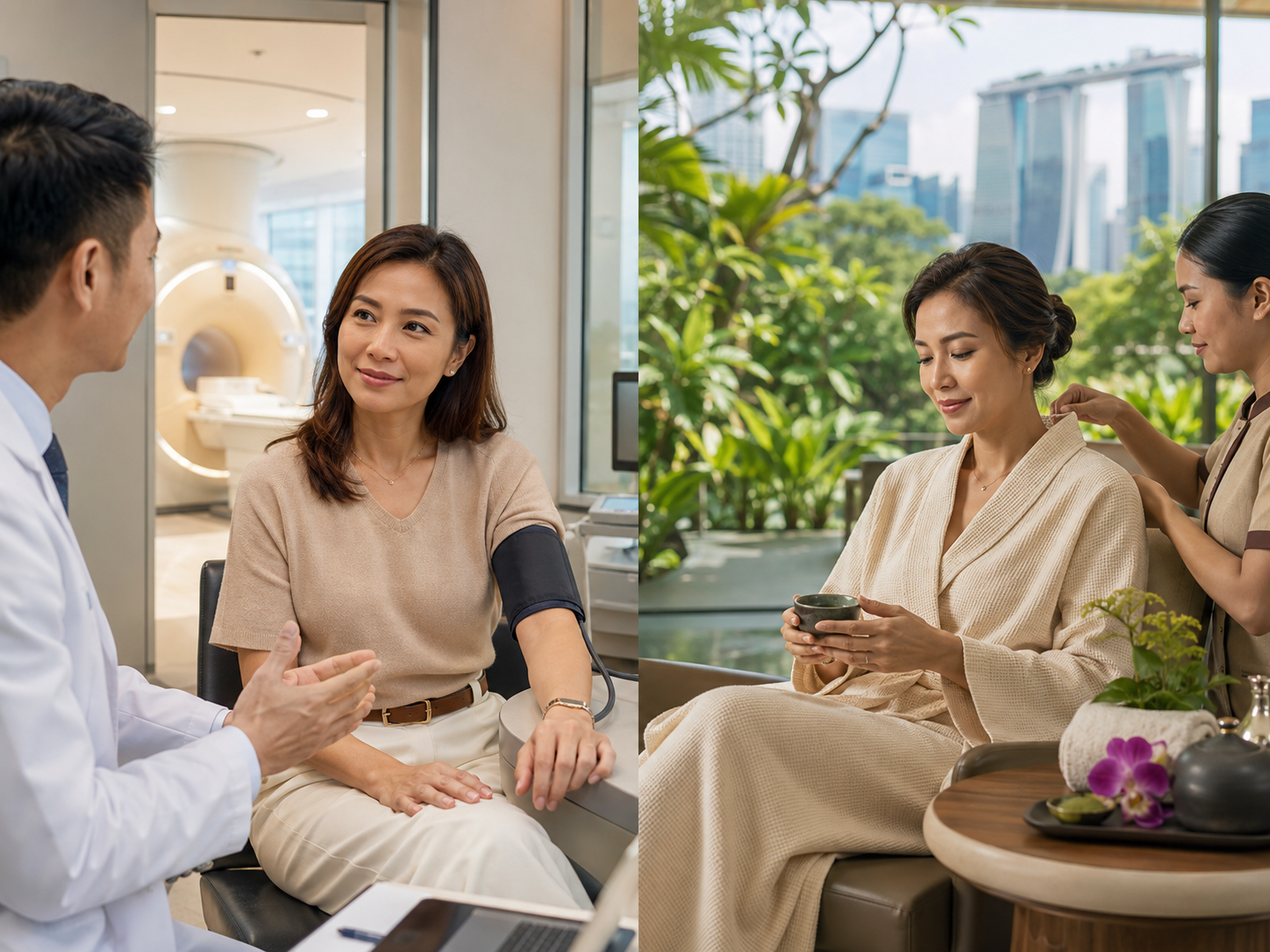
Singapore’s reputation as a global business hub often overshadows its quieter identity as Southeast Asia’s most accessible urban spa capital. In 2026, the city-state’s wellness landscape has expanded far beyond generic massage parlours. It now includes heritage shophouse spas, 24-hour Korean bathhouses, and integrative clinics that combine physiotherapy, nutrition, and recovery technology. For time-poor professionals, a two-hour spa session in Singapore can deliver the same decompression as a weekend retreat elsewhere.
Why Singapore Is Southeast Asia’s Urban Spa Capital
Singapore offers something rare in the region: strict hygiene standards, English-speaking therapists, and a licensed spa industry regulated by the Singapore Tourism Board. According to the Singapore Tourism Board’s 2026 wellness hub (https://www.visitsingapore.com/), wellness travellers now account for a growing share of repeat visitors seeking urban decompression. The city’s compact geography means you can move from a boardroom in Raffles Place to a rainforest-facing spa in under 20 minutes.
Heritage Shophouse Spas in Chinatown and Kampong Glam
One of the most distinctive features of Singapore’s wellness scene is the conversion of pre-war shophouses into intimate spa sanctuaries. In Telok Ayer, Duxton, and Kampong Glam, therapists practise traditional Chinese tuina, Malay urut, and Japanese shiatsu beneath original timber beams. Ikeda Spa in Bukit Timah, for example, offers an onsen-style bathing ritual within a minimalist shophouse setting. Unlike high-rise hotel spas, these heritage spaces feel personal and unhurried. Many operate late into the evening, catering to travellers who land after a full day of meetings.
High-Tech Wellness Pods and Integrative Spa Clinics
At the opposite end of the spectrum, Singapore has embraced wellness technology with surprising speed. g.spa, a 24-hour Korean-style spa in the central business district, combines saunas, cold plunge pools, and zero-gravity massage chairs for overnight recovery. Auriga Spa at Capella Singapore uses lunar cycles to design its treatments; in 2026, it introduced a new Circadian Rhythm Reset combining red-light therapy, guided breathwork, and sound healing. For sports recovery, ESPA at Resorts World Sentosa maintains a Turkish hammam, vitality pools, and cryotherapy chambers. These high-tech pods appeal to travellers who want measurable results, not just relaxation.
How to Choose the Right Spa for Your Needs
Budget, duration, and desired intensity matter. A 60-minute Chinese acupressure session in Chinatown costs around SGD 60–80, while a full-day wellness pass at g.spa starts at SGD 60. Hotel spas such as Auriga or ESPA charge SGD 180–400 for signature treatments but include access to thermal facilities. If you are travelling in a group, check whether the spa offers private suites or couple rooms. Always book weekday slots for lower rates and fewer crowds. Many spas now provide online consultations so you can select a treatment before you arrive.