The Idol Effect: When Fandom Becomes Fashion
Singapore’s fashion landscape is undergoing a seismic shift, and the epicenter is unmistakably Seoul. The days when Western runways alone dictated what Orchard Road shoppers wore are fading fast. Today, the styling choices of K-pop idols ripple through Singapore’s malls with a speed and intensity that traditional fashion capitals struggle to match. This isn’t merely about fans copying their favorite stars—it’s a wholesale recalibration of what young Singaporeans consider aspirational dressing.
From Concert Stage to City Street
The most visible manifestation of this phenomenon arrived in May 2026 when BTS member Jungkook launched his first design collaboration, the CKJK collection, with Calvin Klein. The 20-piece capsule, inspired by “the freedom of the open road,” brought biker-inspired denim jackets and distressed jeans to ION Orchard’s Level 1 Atrium through a dedicated pop-up running from May 20 to 24. What made this moment particularly telling was not just the merchandise itself, but the infrastructure around it—fans had to pre-register for entry, a sign that demand far outstripped supply in a city known for its orderly retail experiences.
Jungkook’s involvement went beyond lending his face. According to reports, the singer personally selected denim washes and worked with Calvin Klein’s design teams to perfect fits, including a trucker jacket. This level of creative engagement signals a departure from the traditional celebrity endorsement model. When an idol becomes a co-creator, the resulting products carry an authenticity that resonates differently with consumers who have grown weary of manufactured celebrity partnerships.
The Jennie Blueprint: Ballet Meets Street
Meanwhile, BLACKPINK’s Jennie demonstrated the commercial power of the “idol-as-designer” model through her adidas Originals collaboration, which arrived in Singapore stores with considerable fanfare. The collection’s centerpiece—the Superstar Square Ballet sneaker—fused ballet’s delicate aesthetics with streetwear’s utilitarian edge. Featuring a square toe silhouette, detachable ribbon laces, and soft sheepskin lining, the shoe represented a deliberate departure from conventional athletic footwear.
The clothing line embraced what observers describe as “Jennie’s pure-desire relaxed aesthetic”—low-saturation neutral tones, fluid tailoring, and silhouettes that prioritize movement over structure. This is fashion designed for the tropical climate and the café-hopping, mall-crawling lifestyle that defines young Singaporean urbanity. It is practical without being boring, aspirational without being inaccessible.
Pop-Ups as Cultural Events
What distinguishes Singapore’s K-pop fashion moment from similar phenomena elsewhere is the way retail activations have evolved into full-scale cultural events. The CKJK pop-up at ION Orchard was not merely a shopping opportunity—it was a pilgrimage site for fans who had waited years for such direct access to idol-designed merchandise. Limited-edition posters served as collectible gifts-with-purchase, transforming transactional retail into emotional experiences.
This pop-up culture reflects a broader trend in Singapore’s retail sector, where physical spaces must offer more than products to compete with e-commerce. The success of these temporary installations demonstrates that Singaporean consumers value proximity to the cultural narratives embedded in K-pop fashion. When Jungkook’s motorcycle-inspired aesthetic or Jennie’s ballet-inflected streetwear arrives in Singapore, it carries the weight of global cultural capital—and local shoppers are eager to participate.
Beyond Merchandise: A Shift in Taste
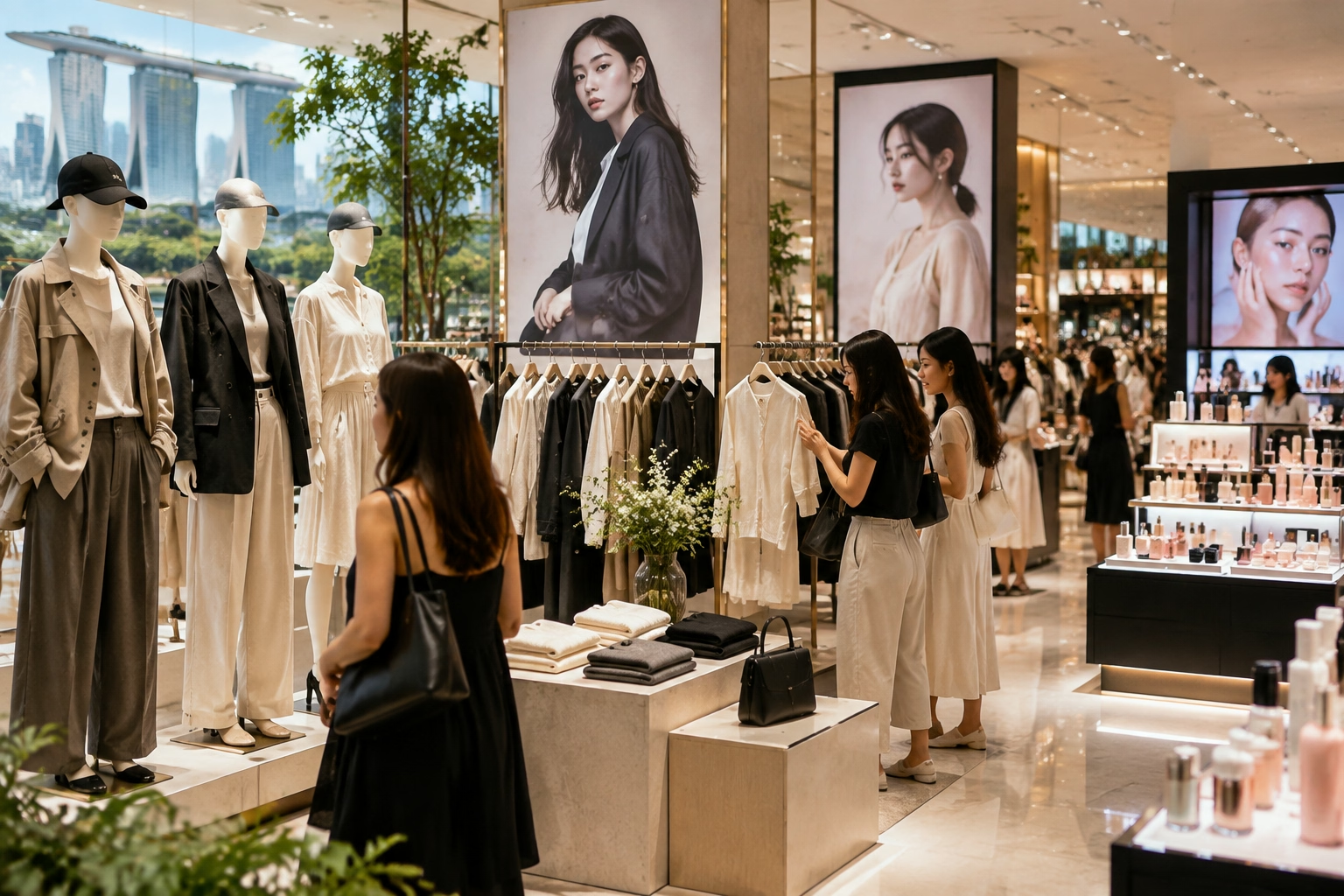
The deeper significance of K-pop’s fashion influence lies not in individual product sales but in how it has reshaped broader aesthetic preferences. Singaporean consumers who once looked to European luxury houses for style cues now increasingly reference Korean street style, K-drama wardrobes, and idol airport fashion as primary sources of inspiration. This shift has cascading effects across the retail ecosystem, from the brands that stock shelves to the designers who create for local labels.
The idol-fashion nexus in Singapore is not a passing trend. It represents a fundamental realignment of cultural authority in style—one where Seoul’s creative output commands as much attention as Paris or Milan, and where Singaporean consumers are active participants in a global fandom-driven fashion economy.