The Economics of Intimacy
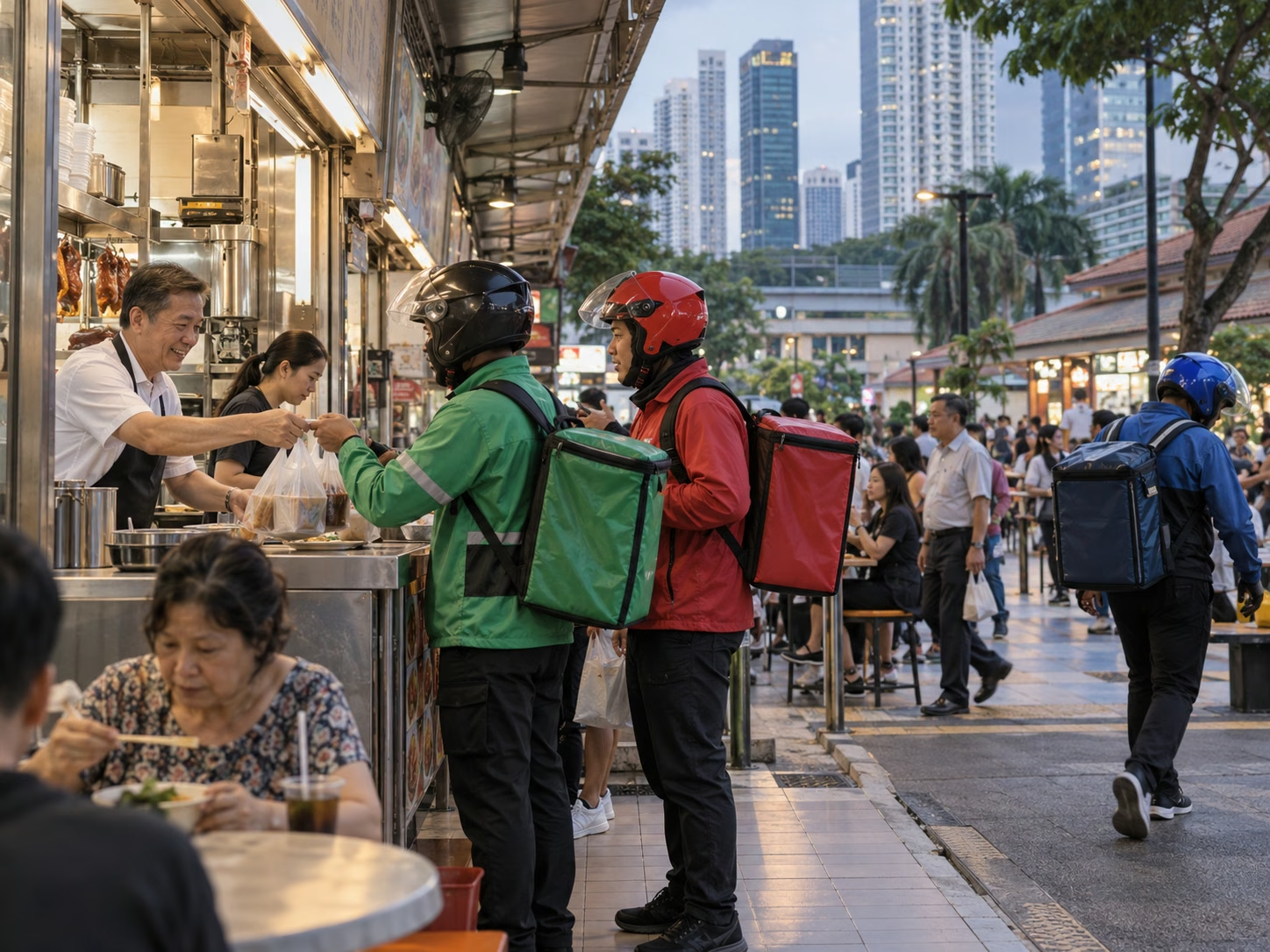
Singapore’s restaurant industry is contracting. Roughly 300 outlets closed per month through 2025, and the Restaurant Association of Singapore has described operating conditions as a “perfect storm” of rent volatility, manpower shortages, and cost pressure . Yet in the same market, a parallel economy is thriving—not in shophouses or malls, but in HDB flats and private condominiums.
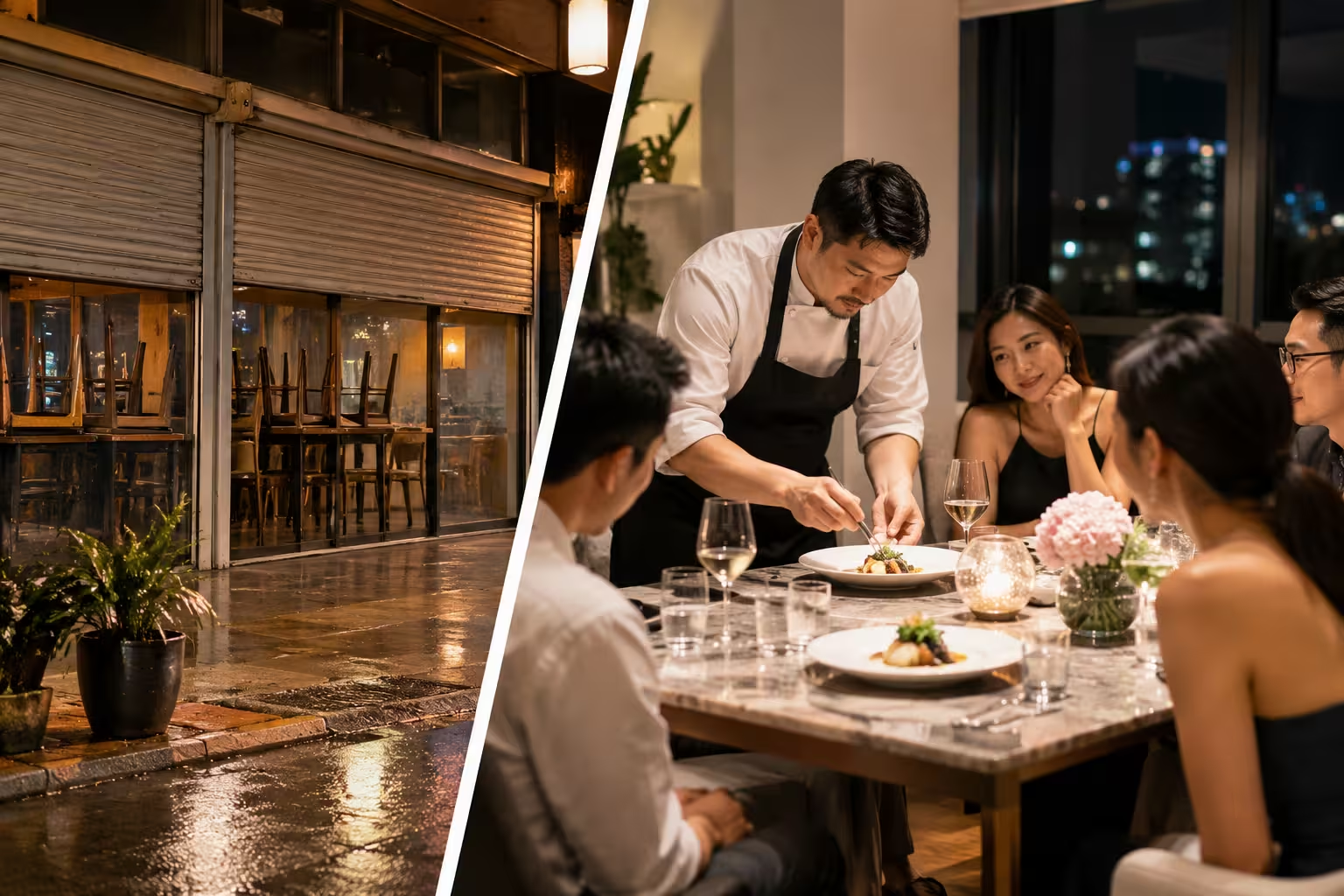
Private home dining in Singapore has evolved from a niche supper-club curiosity into a structured, waitlisted, premium-priced alternative to conventional restaurants. Time Out’s 2026 coverage identifies concepts such as Kanves, where chef-owner Ethan Khoo—formerly of Les Amis and Pollen—serves a “borderless” tasting menu from $170 per person with bookings requiring a minimum of six and a waitlist spanning months . **No Burn No Taste**, helmed by former Lolla sous chef Sam Chablani, charges $235 per head for a ten-course woodfire barbecue omakase, with groups under seven facing a $1,050 minimum spend .
The Regulatory Grey Zone That Enables Experimentation
These operations occupy a deliberately light regulatory space. Under Singapore’s Home-Based Business scheme, residents may run small-scale F&B activities without an SFA food licence, provided operations do not alter the residential character of the property, employ outsiders, or display signage . Alcohol service requires a separate liquor licence from the Singapore Police Force, and all income remains taxable .
The absence of a formal licensing regime means private dining chefs avoid the compliance overhead that burdens licensed restaurants—but it also means they operate without the same food-safety inspection cadence. The Singapore Food Agency has stated it does not track home-based F&B businesses because they are not required to be licensed, though operators remain subject to the Environmental Public Health Act and Sale of Food Act .
Why Diners Are Paying Restaurant Prices for Living Rooms
The appeal is not purely economic. As Time Out notes, private dining offers “a kind of authenticity, both in the cooking and the connections made, that’s hard to find in restaurants these days” . Chefs cook what they want rather than what the market demands. Guests interact directly with the person who sourced, prepared, and plated their meal. In a city where restaurant dining rooms increasingly feel transactional, the residential table restores a sense of occasion.