The Numbers Behind a Freezer Aisle Transformation
Singapore’s frozen food market is experiencing a structural shift that goes far beyond seasonal stocking. According to Deep Market Insights, the sector was valued at USD 1.62 billion in 2024 and is forecast to reach USD 2.52 billion by 2033, growing at a compound annual growth rate of 5% during the 2026–2033 period. Ready meals represent the largest product segment, reflecting a fundamental change in how Singaporean households approach meal preparation.
Why Ready Meals Are Winning
The dominance of ready meals in Singapore’s frozen food landscape is not accidental. The city-state’s workforce operates on some of the longest working hours in the developed world, and the convenience of a nutritionally balanced meal that requires only reheating has become a practical necessity rather than a luxury. Frozen snacks and appetizers are simultaneously emerging as the fastest-growing product category, signaling that consumers are not merely seeking main meals but also accessible between-meal options.
The Import Signal That Tells a Bigger Story
Trade data provides a compelling window into the market’s momentum. Singapore’s import trend for frozen snacks surged by 12.42% in 2024, a dramatic reversal from the compound annual decline of 8.42% recorded between 2020 and 2023. This inflection point suggests that the post-pandemic reset of consumer habits has firmly shifted toward frozen convenience formats. Similarly, frozen cooked ready meals recorded a remarkable 137.5% import increase from 2023 to 2024, underscoring the scale of demand.
The Cold Chain Advantage
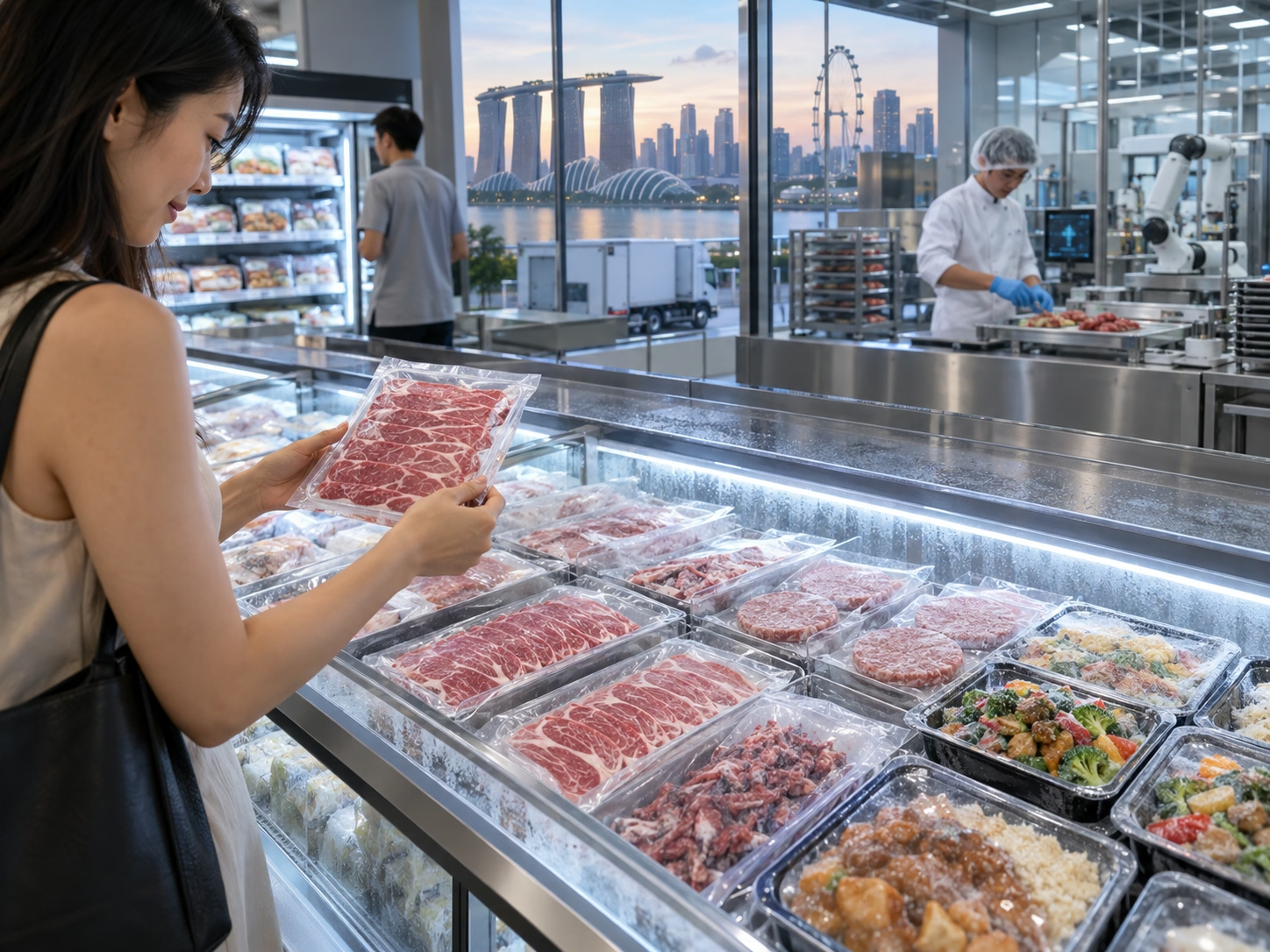
Singapore’s role as a regional trade and logistics hub amplifies its frozen food capabilities. The country’s cold chain infrastructure, developed over decades as a transshipment gateway, allows both local manufacturers and international brands to distribute frozen products efficiently across Southeast Asia. This infrastructure advantage means Singaporean consumers gain access to a wider variety of frozen products—from premium Japanese frozen sushi to artisanal Chinese dim sum—than most markets of comparable size.
Retail Channels and the Digital Freezer
The distribution landscape for frozen food in Singapore is diversifying rapidly. While supermarkets and hypermarkets remain the primary channel, online grocery platforms have accelerated their frozen food offerings, driven by consumer expectations of doorstep delivery for temperature-sensitive products. Specialty frozen food stores are also carving out niche positions, particularly for premium and imported categories.
What This Means for Manufacturers
For food manufacturers and exporters eyeing Singapore, the data points to a market where ready meal formats, snack innovation, and supply chain reliability matter more than ever. The projected growth trajectory through 2033 indicates that frozen food is not a pandemic-era anomaly but a permanent fixture in Singapore’s food consumption architecture. Brands that can deliver consistent quality, transparent nutritional information, and packaging that addresses sustainability concerns will find receptive shelves and increasingly discerning consumers.