Singapore’s Restaurant Market Faces a New Era of Business Competition
Singapore’s restaurant industry remains one of Asia’s most dynamic culinary markets, driven by international tourism, multicultural food preferences, and strong consumer demand. However, in 2026, restaurant operators are facing a more challenging business environment shaped by inflation, labor shortages, rental pressure, and rapidly changing customer expectations.
The competitive landscape is no longer determined only by food quality. Successful restaurant brands are increasingly relying on operational efficiency, digital innovation, customer experience, and strategic positioning to survive in a crowded marketplace.
According to Singapore Department of Statistics data, the country’s food and beverage services sector continues to represent a significant component of the local economy, with businesses increasingly adopting technology-driven solutions to improve productivity.
Source: https://www.singstat.gov.sg/
The Impact of Rising Operational Costs on Restaurant Strategies
Managing Inflation Through Smarter Business Models
One of the biggest challenges facing Singapore restaurants is the increase in operational expenses. Food ingredients, manpower costs, utilities, and rental prices have placed significant pressure on profit margins.
Many restaurant owners are responding by redesigning their business models rather than simply increasing menu prices. Popular strategies include:
- Introducing smaller portion options
- Optimizing ingredient sourcing
- Reducing menu complexity
- Using automated ordering systems
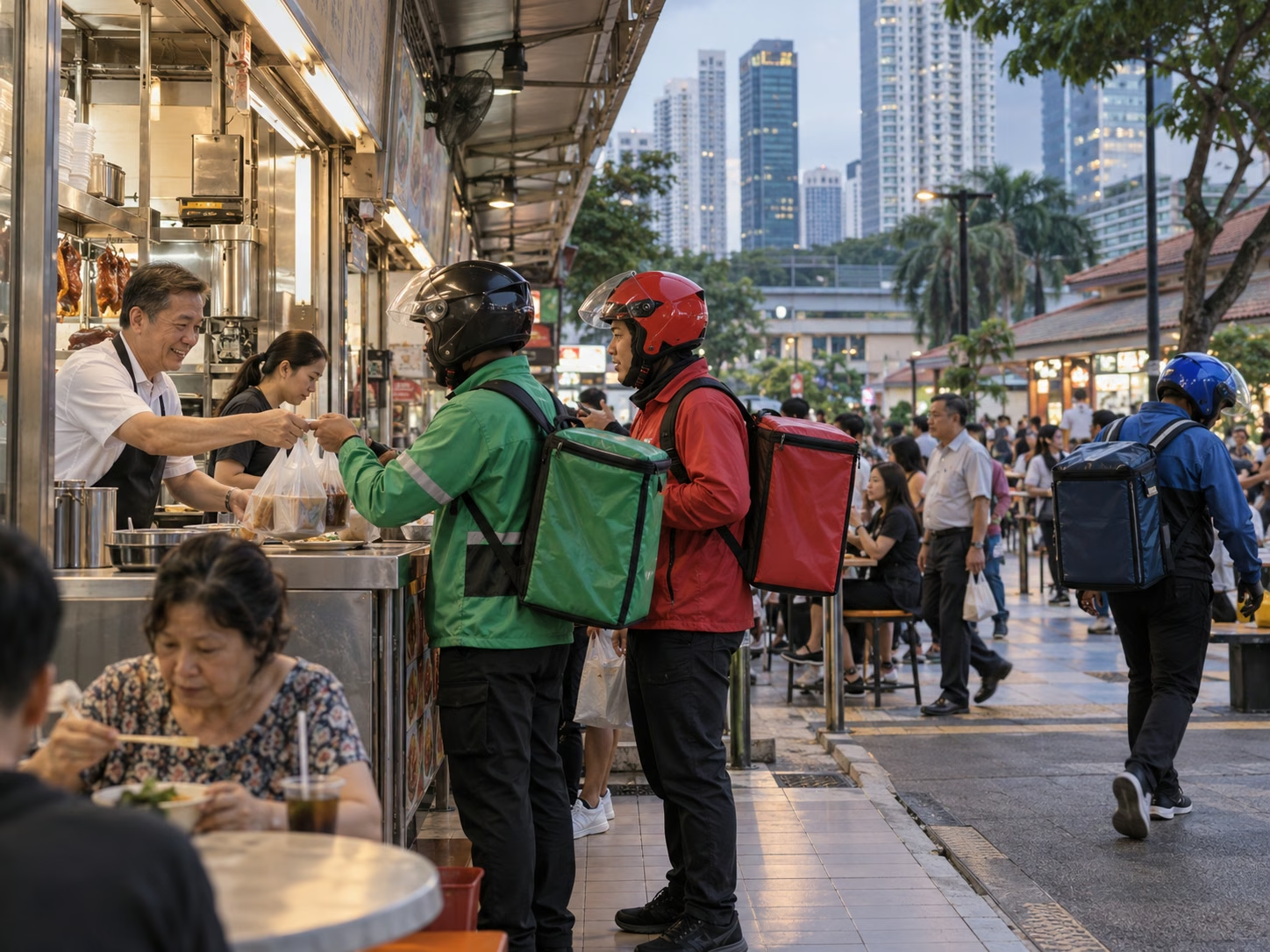
- Expanding takeaway and delivery channels
For example, several local food operators have shifted toward hybrid models combining dine-in services with online ordering platforms. This approach allows businesses to maximize revenue opportunities while controlling physical operating costs.
Digital Innovation Becomes a Competitive Advantage
How Technology Changes Singapore Dining Experiences
Technology has become one of the most important competitive tools in Singapore’s restaurant sector. From artificial intelligence-based customer analysis to self-service ordering kiosks, digital transformation is changing how restaurants operate.
Large restaurant groups are investing in:
- Mobile reservation platforms
- Digital loyalty programs
- Automated inventory management
- Data-driven menu planning
- Cashless payment systems
These technologies help restaurants understand customer preferences and improve operational efficiency.
A real example can be seen through Singapore’s Smart Nation initiatives, where businesses are encouraged to adopt digital solutions to increase productivity.
Source: https://www.smartnation.gov.sg/
Consumer Preferences Drive New Culinary Concepts
Singapore diners in 2026 are becoming more selective. Customers are not only looking for good food but also meaningful experiences. Restaurants are responding with concepts focused on sustainability, authenticity, health-conscious menus, and cultural storytelling.
Growth of Sustainable Dining
Environmental awareness is influencing restaurant decisions. Many businesses are introducing:
- Plant-based menu options
- Food waste reduction programs
- Locally sourced ingredients
- Sustainable packaging
This trend creates opportunities for restaurants that can connect their brand identity with responsible consumption.
Competition Between Local Brands and International Players
Singapore’s culinary market attracts global restaurant chains because of its strong tourism industry and affluent consumer base. International brands compete with established local restaurants that understand regional tastes better.
Local operators often compete through:
- Traditional Singaporean flavors
- Personalized customer service
- Community connections
- Unique dining concepts
Meanwhile, international brands bring global marketing strategies, standardized operations, and strong financial resources.
The result is a highly competitive environment where differentiation becomes essential.
Future Business Strategies for Restaurant Success
Restaurant companies that succeed in Singapore’s evolving market are likely to focus on three major areas: efficiency, innovation, and customer loyalty.
Businesses must balance affordability with premium experiences while adapting quickly to consumer behavior changes.
The future of Singapore’s restaurant industry will belong to operators that combine culinary creativity with strong business management. Food remains the foundation, but technology, branding, and strategic decision-making are becoming equally important factors in achieving long-term competitiveness.