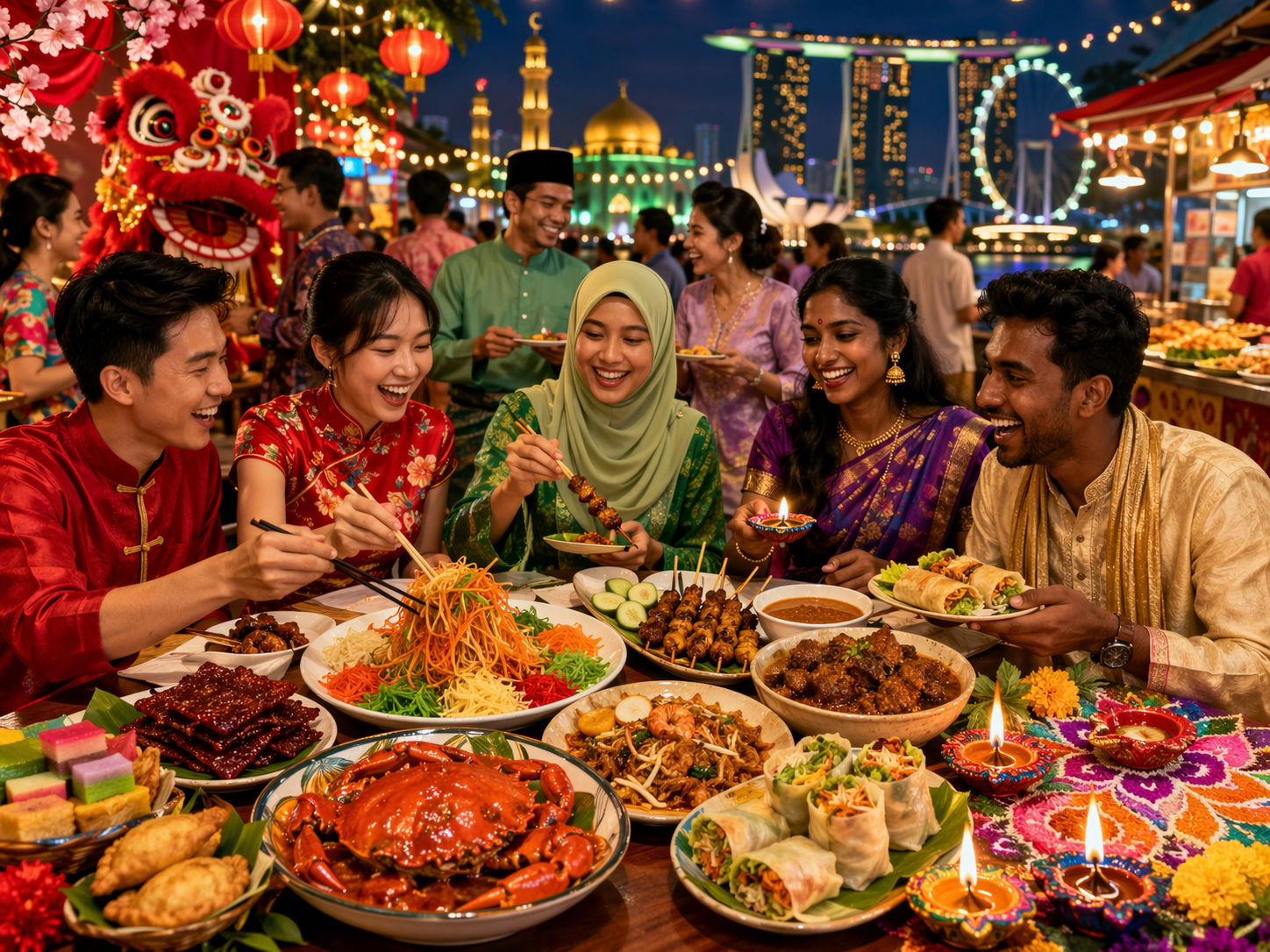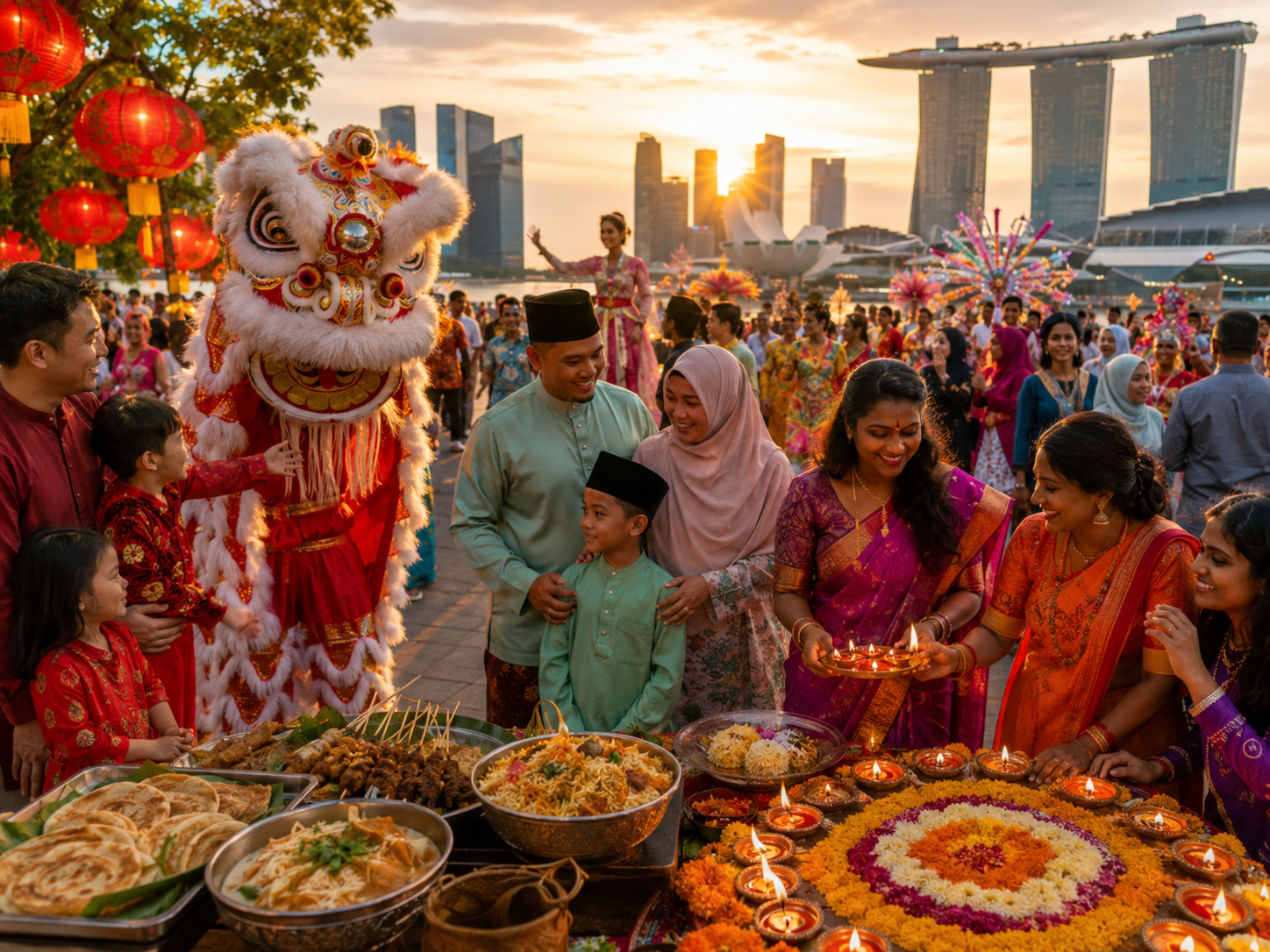
Singaporean food is often described as a reflection of the country itself: compact in size, yet remarkably rich in identity. One of the most fascinating aspects of Singapore’s culinary culture is the way different ethnic traditions have blended over time. Chinese, Malay, Indian, Peranakan, and Eurasian influences have all played an important role in shaping what people today recognize as Singaporean cuisine. Rather than existing in isolation, these traditions meet, overlap, and evolve, creating a food culture that is layered, adaptable, and full of character.
The roots of this culinary diversity lie in Singapore’s history as a busy trading port. For generations, merchants, laborers, and migrants arrived from different parts of Asia and beyond, bringing with them their own cooking techniques, ingredients, and eating habits. As communities settled and interacted, their food traditions did not remain unchanged. Recipes were adjusted to local tastes, ingredients were substituted based on availability, and entirely new dishes emerged from daily contact between cultures. This is why Singaporean food is not simply a collection of separate ethnic cuisines, but a living example of cultural exchange.
Chinese culinary traditions have had a major impact on the local food landscape. Hokkien, Cantonese, Teochew, and Hainanese communities all introduced different styles of cooking. Stir-frying, steaming, roasting, and soup-making became central methods in many kitchens and food stalls. Hainanese chicken rice, for example, shows how a dish brought by migrants could become deeply rooted in local culture. Noodles, soy-based seasonings, preserved ingredients, and seafood preparations also reveal strong Chinese influences across many everyday meals.
Malay cuisine contributes another essential layer to Singapore’s flavor identity. Rich use of coconut milk, lemongrass, turmeric, galangal, and sambal gives many dishes a warm, aromatic depth. Foods such as nasi lemak, satay, and various curries highlight the importance of balance between spice, sweetness, and fragrance. Malay food also reflects older regional connections with the Malay Archipelago, linking Singapore to broader Southeast Asian taste traditions. Its emphasis on herbs, spices, and communal dining has shaped both home cooking and street food culture.
Indian communities, particularly South Indian and Muslim Indian groups, have also left a powerful culinary mark. Roti prata, fish head curry, biryani, and murtabak are clear examples of dishes that have become part of the national diet. Indian cooking introduced distinctive spice blends, the use of ghee, lentils, yogurt, and tandoor-inspired preparations. What makes these influences especially interesting in Singapore is how they often combine with local ingredients and preferences, creating flavors that feel both rooted and innovative.
Peranakan cuisine offers one of the clearest expressions of cultural blending. Developed within communities of mixed Chinese and Malay heritage, it combines Chinese ingredients and methods with Malay spices and herbs. Dishes such as laksa, ayam buah keluak, and various nonya kueh show how identity can be expressed through food in highly creative ways. The result is cuisine that is intricate, colorful, and deeply symbolic of Singapore’s multicultural fabric.
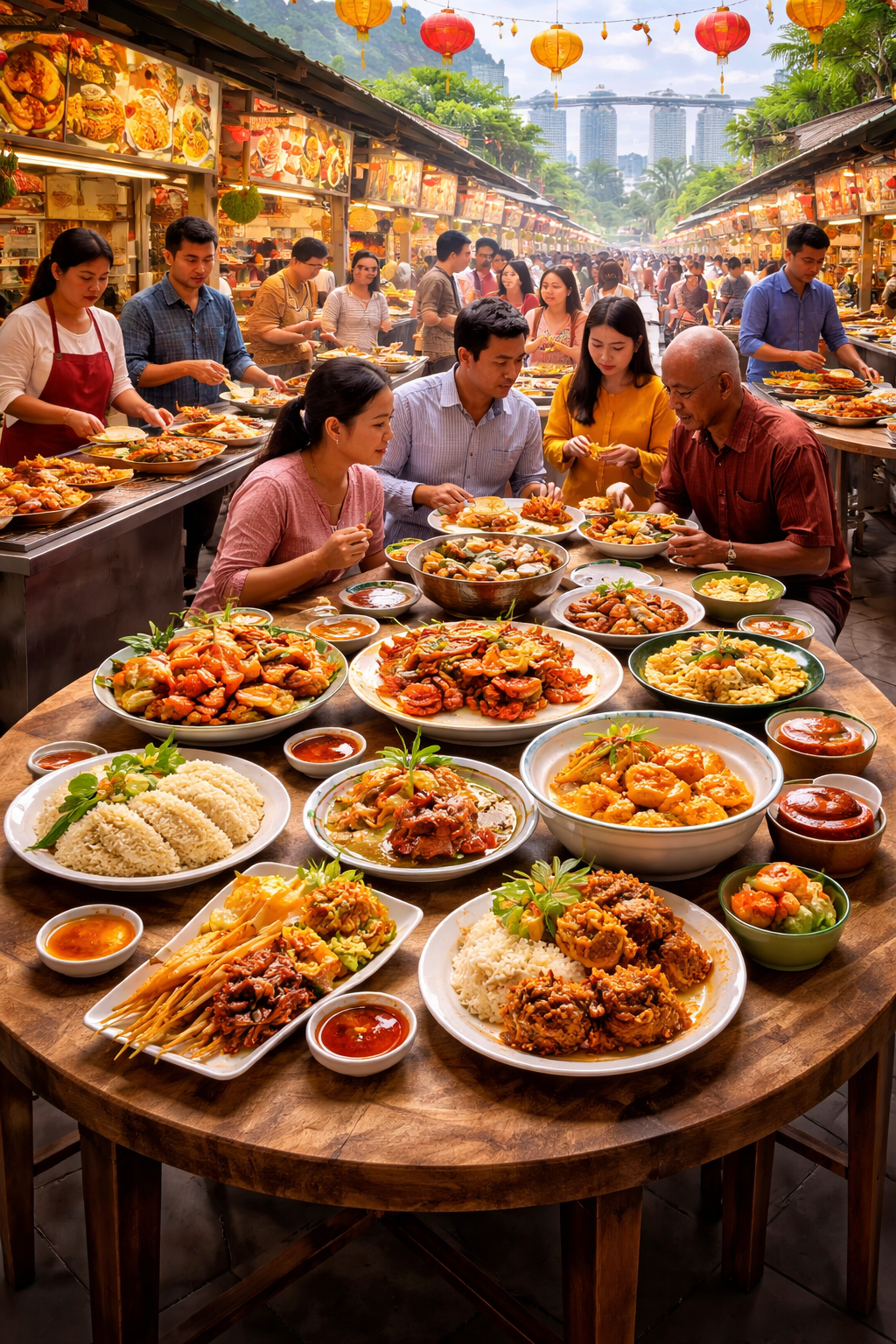
Another important feature of Singaporean food is the hawker center. These public dining spaces bring together stalls selling dishes from different ethnic backgrounds under one roof. In a single visit, someone may eat Indian prata for breakfast, Malay nasi padang for lunch, and Chinese noodle soup for dinner. This everyday closeness encourages familiarity across communities and allows food traditions to influence one another naturally.
Singaporean cuisine stands out because it is not fixed or one-dimensional. It is built from movement, adaptation, and shared experience. Each ethnic group has contributed something valuable, whether a spice profile, cooking method, or signature dish. Together, these influences create a culinary identity that is not only delicious, but also a meaningful portrait of coexistence and cultural dialogue.