The Data Company Wearing a Fashion Label
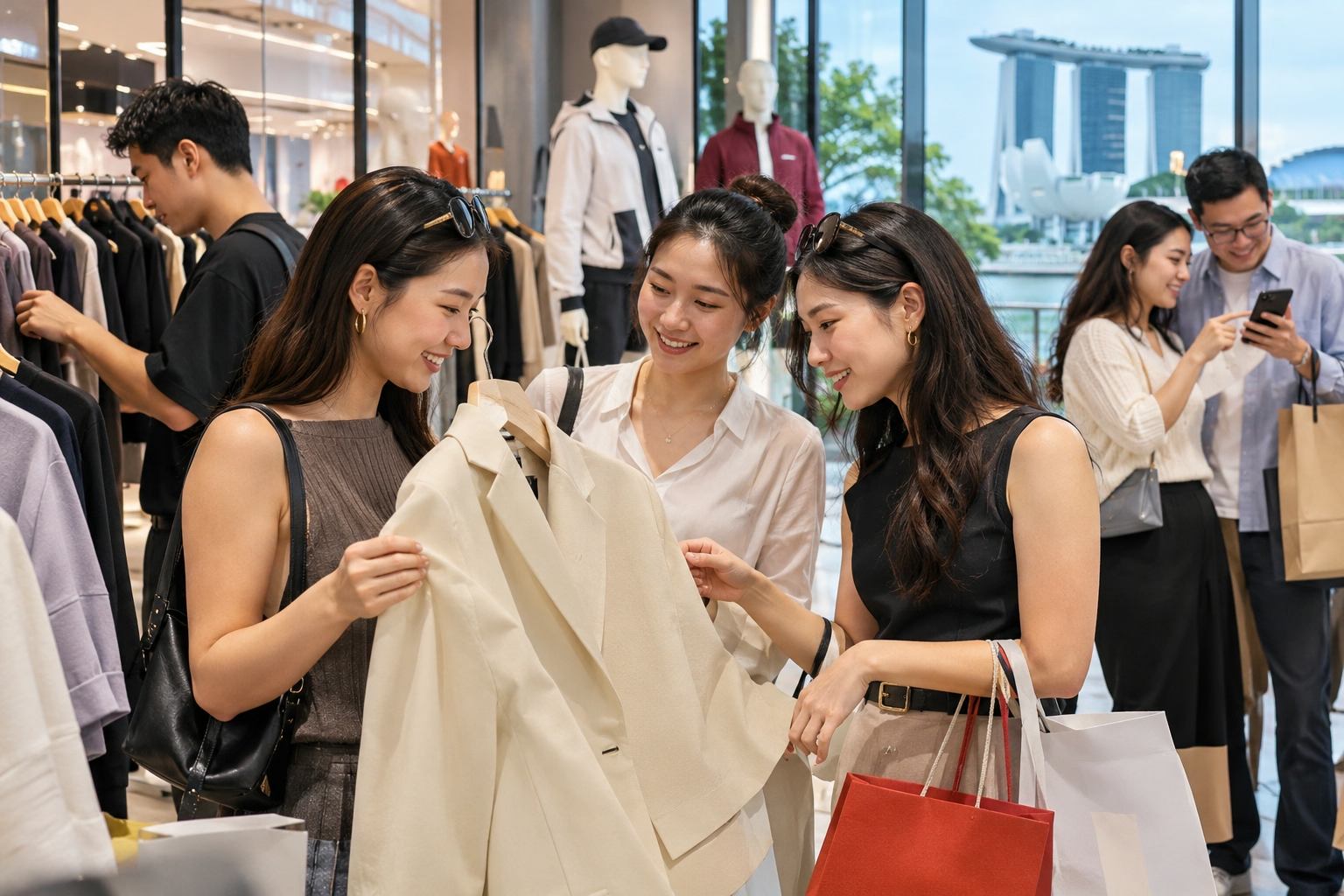
Walk through Orchard Road or scroll through TikTok Shop Singapore, and you will notice a peculiar homogeneity. The cargo pants look familiar. The cropped baby tee feels like something you have already seen—perhaps three times this week. This is not a coincidence. It is the visible output of what industry observers now call “fashion slop”: clothing designed not by human intuition but by backend data, search queries, and social media engagement metrics.
The poster child for this shift is Edikted, a Gen Z favorite that reportedly monitors customer social media activity and internet searches, then spits out roughly 300 styles per month. After reaching US$460 million in sales in 2025, one founder told The Wall Street Journal, “We’re more like a data company than a fashion company.” Shein operates on a similar logic at an even larger scale, producing thousands of styles daily and testing small batches before scaling whatever the algorithm predicts will convert.
Why Singapore Is Particularly Vulnerable
Singapore’s position as a hyper-connected, mobile-first consumer market makes it an ideal laboratory for algorithmic fashion. With high smartphone penetration and a population deeply embedded in social commerce, local shoppers generate enormous volumes of behavioral data. Fast fashion brands do not need to guess what Singaporeans want—they can measure it in real time, then manufacture accordingly.
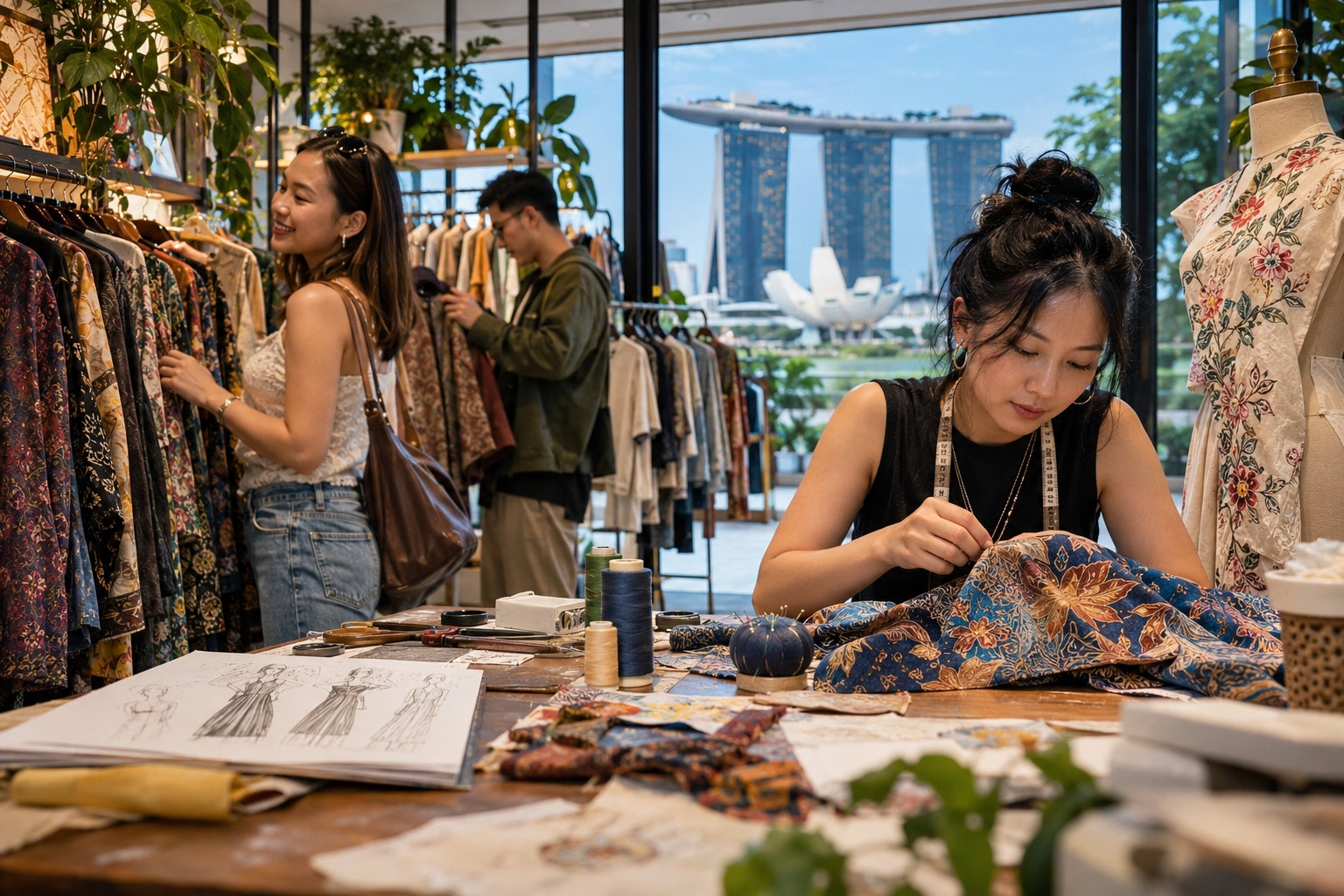
The consequence is a retail landscape where independent boutiques struggle to compete against shelves stocked with algorithm-approved silhouettes. Local designers who once drew inspiration from Singapore’s unique cultural tapestry now find themselves pressured to produce what the data “demands”: neutral tones, oversized fits, and the same viral pieces that saturated feeds across Bangkok, Jakarta, and Kuala Lumpur weeks earlier.
The Illusion of Choice
Fashion slop does not look obviously bad. That is precisely the problem. It is competent, wearable, and endlessly replicable. A recent CNA Lifestyle analysis noted that while fast fashion once looked to runways for inspiration, much of its output is now “slopified by back-end data and internet searches.” The result is clothing that feels trend-adjacent but lacks the idiosyncratic punch of genuine design vision.
For Singaporean consumers, the risk extends beyond aesthetics. When algorithms prioritize engagement over durability, the environmental cost compounds. Producing more styles with shorter lifecycles means more textile waste, even if per-unit overstock decreases. As one fashion tech expert told VRT, “You take the brake off the number of models you release.”